Hair loss is one of the most distressing things your body can do. It tends to show up without warning, feels hard to explain, and has a way of affecting how you feel about yourself long before you have any answers.
Trichologist and hair loss specialist Angela Onuoha explains it this way:
"Your hair is considered non-essential for survival. So when your body experiences stress, whether that's due to nutritional deficiency, illness, hormonal shifts, inflammation or chronic stress, it will redirect its energy to your vital organs first, and your hair will pay for it."
Most hair loss comes down to two things happening at once: something going on inside the body, and the way you handle your hair every day. Getting a grip on both is the first step to doing something about it.
What Your Body Is Doing
Each hair follicle constantly reads internal signals: hormone levels, nutrient availability, blood supply, and immune activity. When those signals shift, follicle behaviour shifts too. It may slow growth or push more hairs into the resting and shedding phase earlier than they would otherwise get there.
These changes don't show up immediately. There's usually a gap of six to twelve weeks between the internal trigger and the visible shedding. By the time you notice something is wrong, the cause may have happened months ago. This is why it can be so hard to connect what you're seeing now to anything specific.
The Common Internal Triggers
Hormonal shifts: postpartum hair loss is the best-known example, where oestrogen drops sharply after birth, and a large number of follicles move into the shedding phase at once. Thyroid changes and hormonal contraception can have a similar effect.
Nutritional deficiency: follicles need a consistent supply of iron, ferritin, vitamin D and zinc to function. When those nutrients are in short supply, the follicle is one of the first places it becomes visible.
Stress and illness: prolonged stress, major illness, surgery or a high fever can trigger telogen effluvium, where more follicles than usual enter the resting phase at once.
If you're experiencing persistent or heavy shedding, speak with your GP. Bloodwork is the only reliable way to identify a deficiency, and some conditions, including alopecia areata and androgenetic alopecia, need proper diagnosis. Our guide to postpartum hair loss covers the hormonal side in more detail if that's relevant to you.
What Your Hands Are Doing
Even when the internal picture is settled, it's possible to cause real damage through how you handle your hair every day. Angela puts it plainly:
"External mechanical stress can accelerate hair loss that didn't need to happen yet."
There are two forces at work:
Traction: the pulling force placed on the hair shaft and follicle during detangling. It comes from brushing root to tip through knots, from tight styles, and from forcing a brush through resistant hair. The result is premature breakage and fallout of strands that didn't need to come out yet.
Friction: the resistance created when a brush drags along the hair shaft. Over time this causes the cuticle to lift, the cortex to weaken, and the strand to snap more easily. Friction doesn't only come from brushing, cotton pillowcases and rough towel drying contribute too.
It's also worth knowing that shedding and breakage are different things. Shedding is hair lost from the root, a natural part of the hair growth cycle. Breakage is hair lost mid-shaft, caused by external damage. They can look the same in the shower drain but need different responses. You can read more about the difference in our article on gentle brushing and hair loss.
Why the Brush Matters
Once you understand what traction and friction actually do, the choice of brush stops being a small detail.
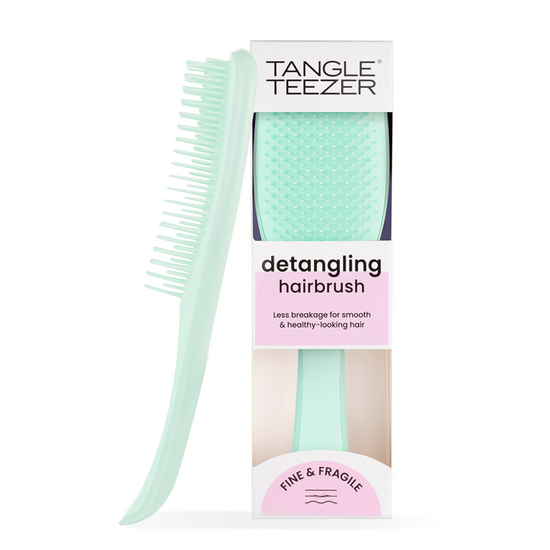
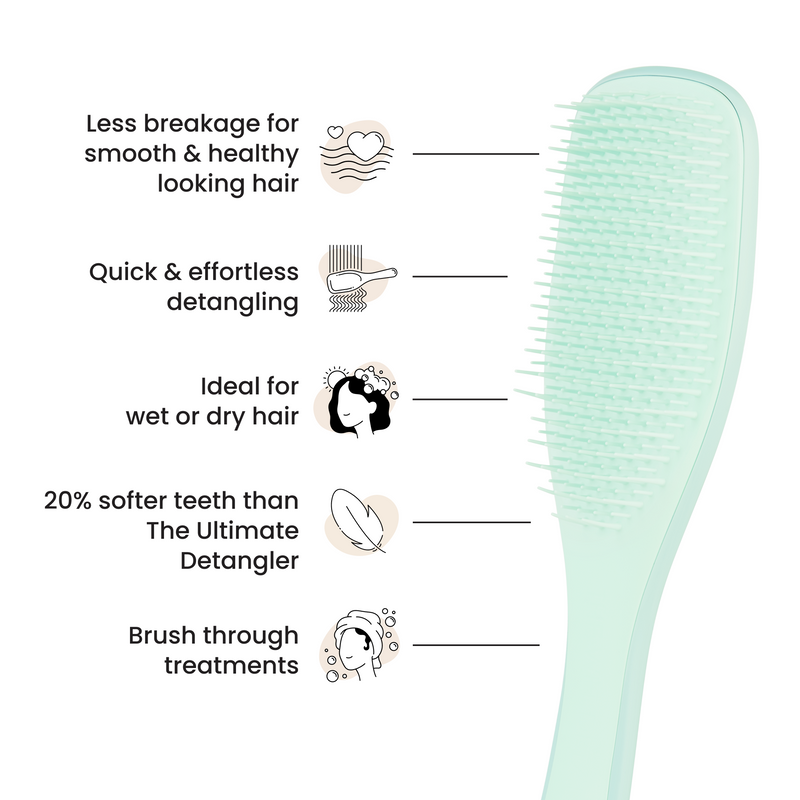
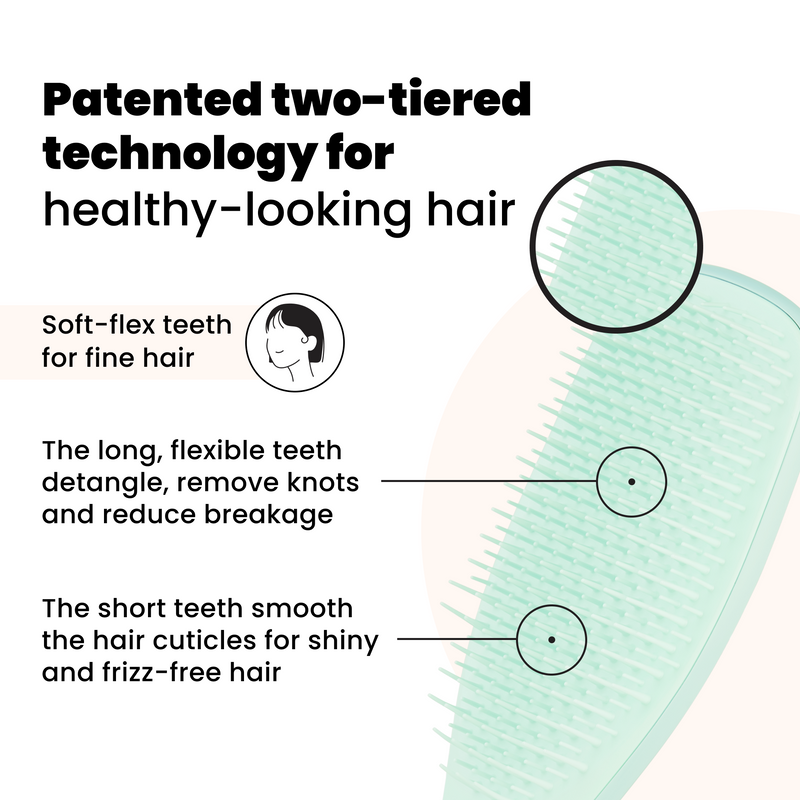
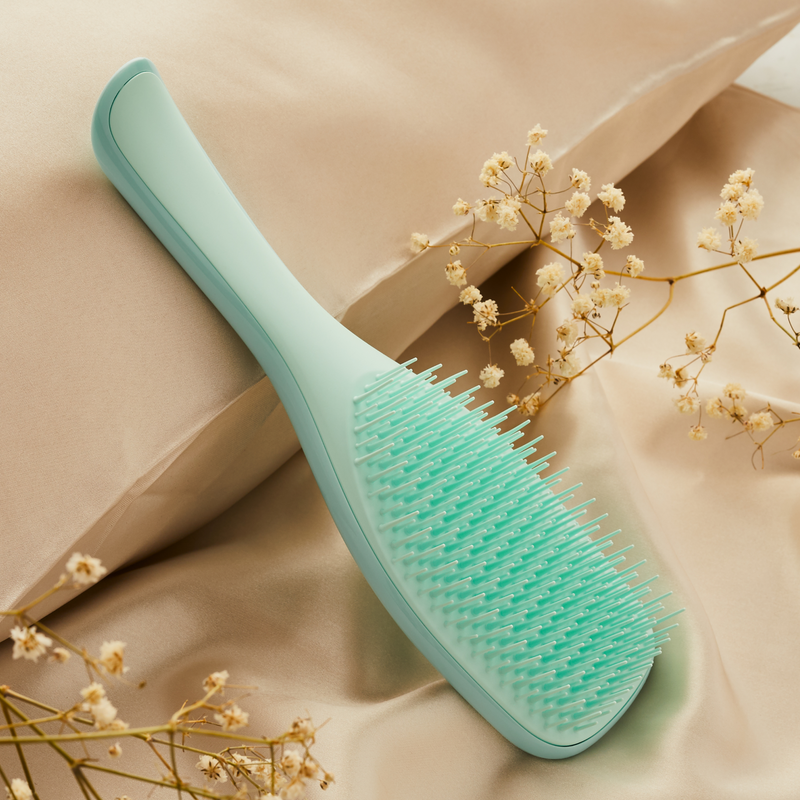
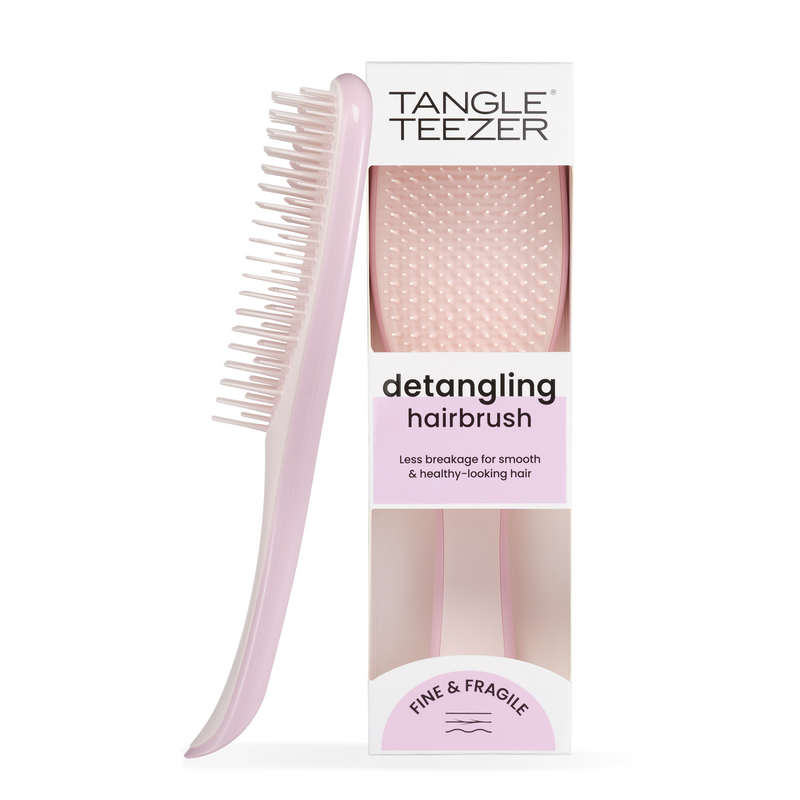
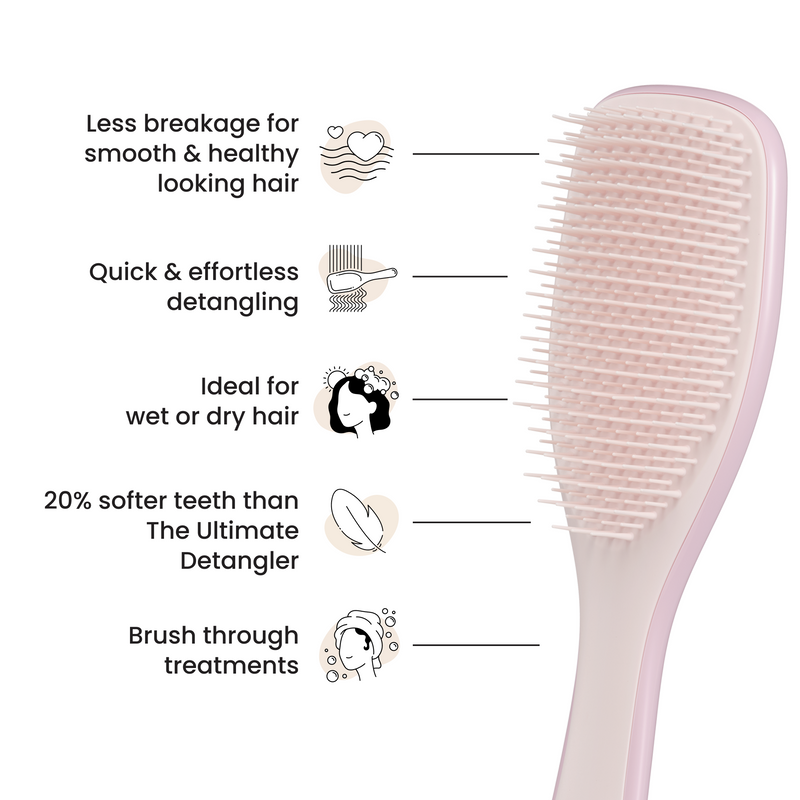
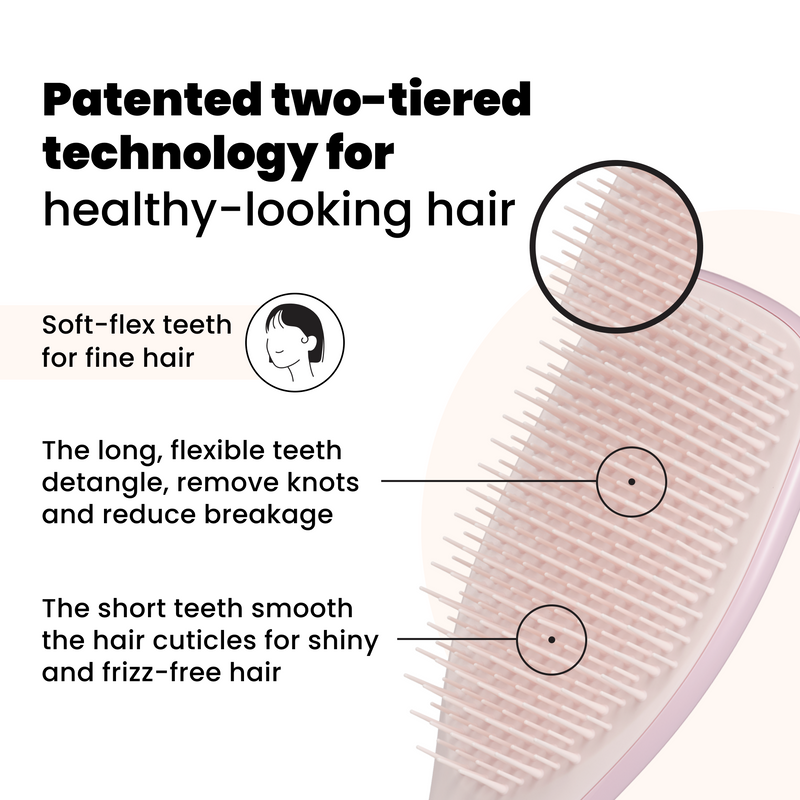
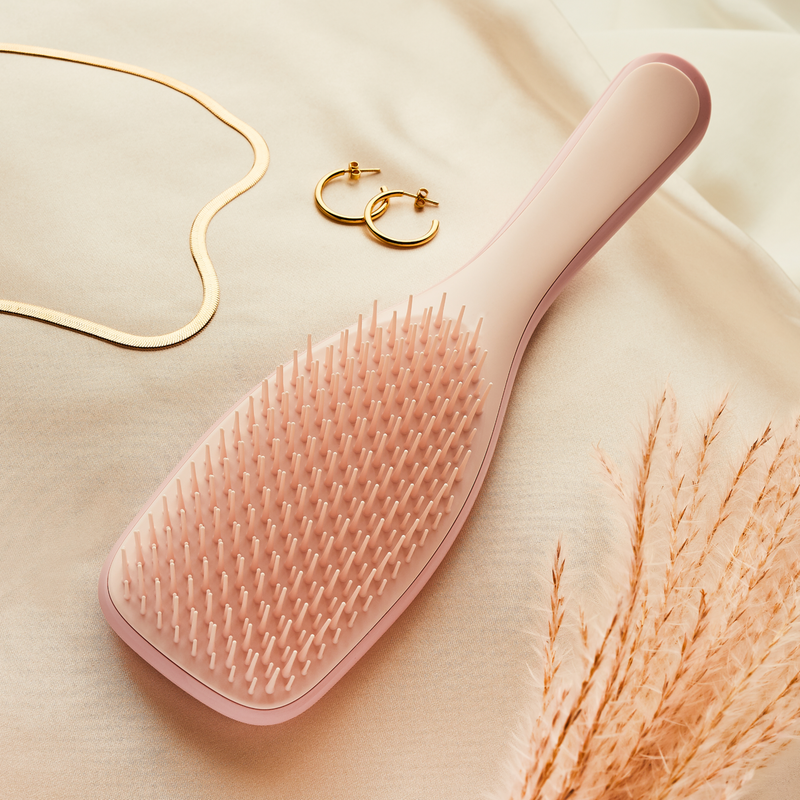
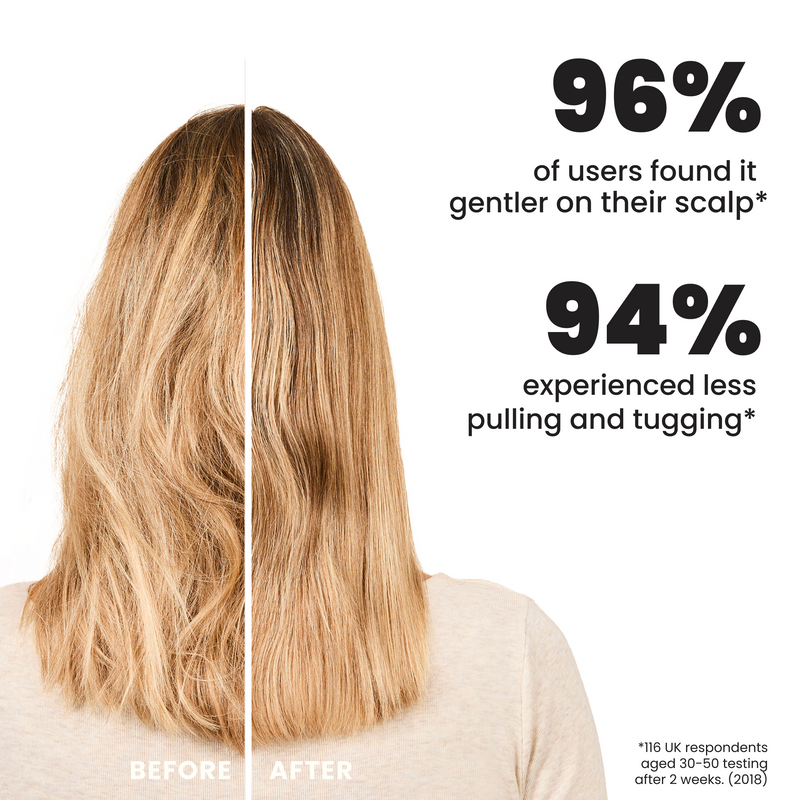
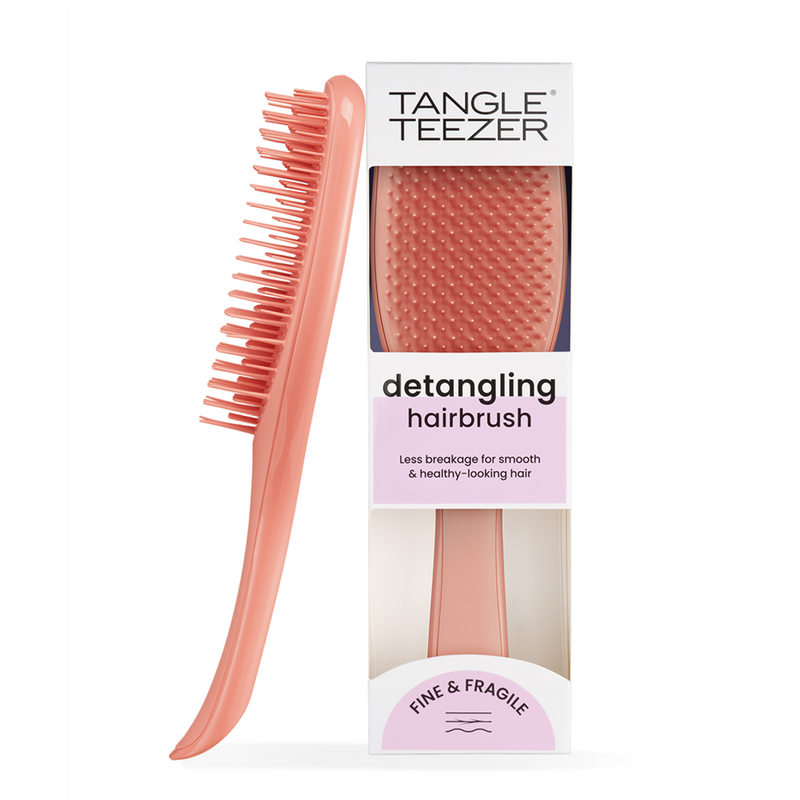
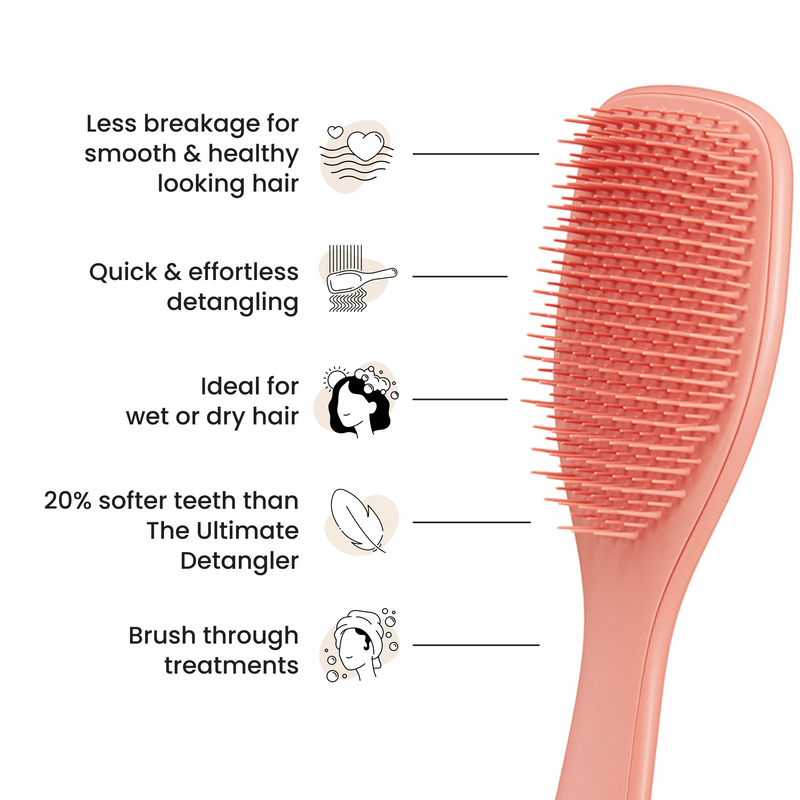
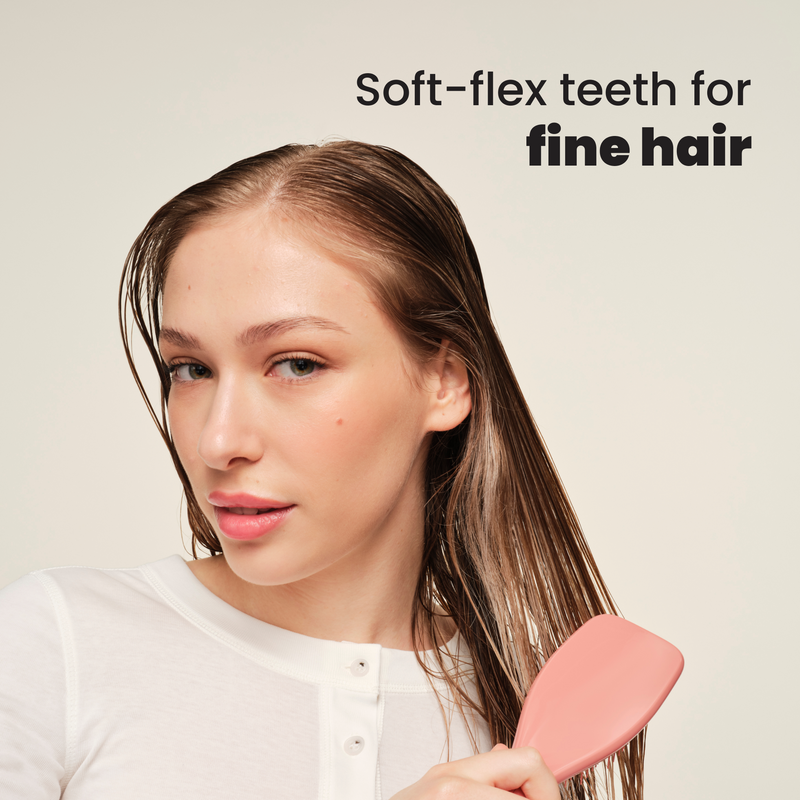
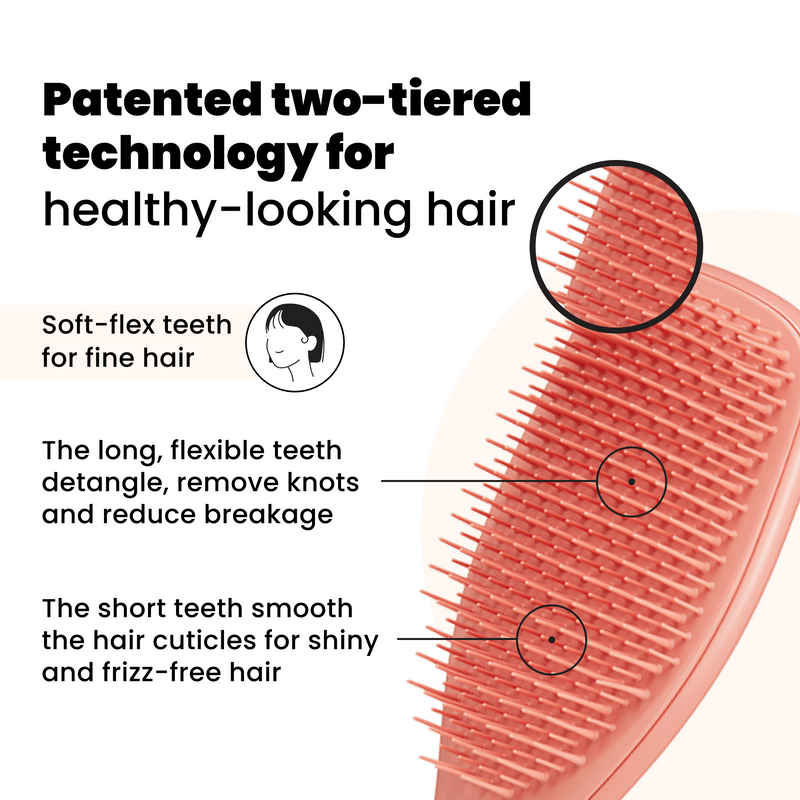
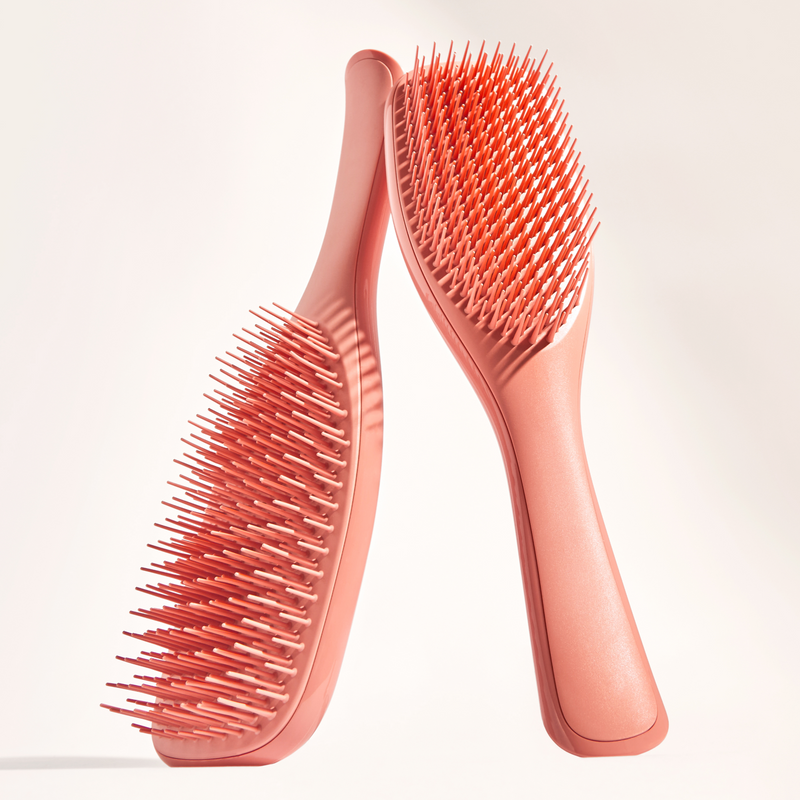
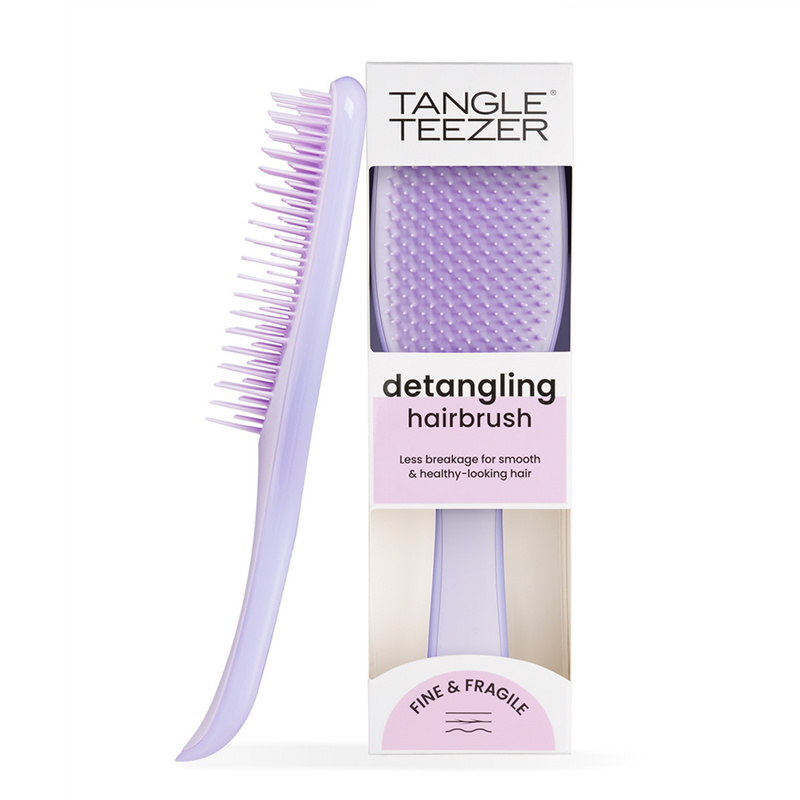
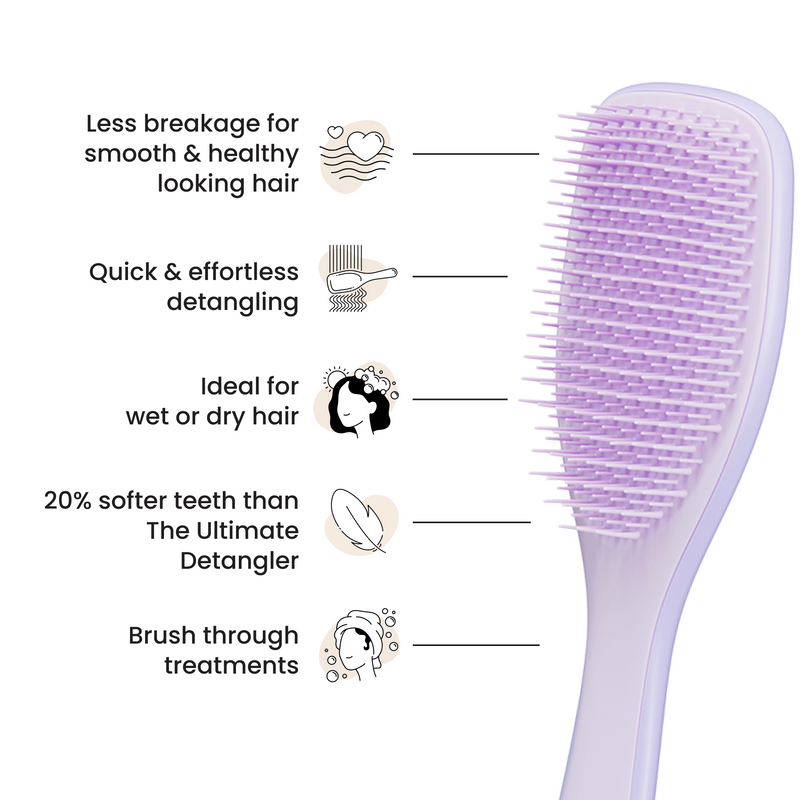
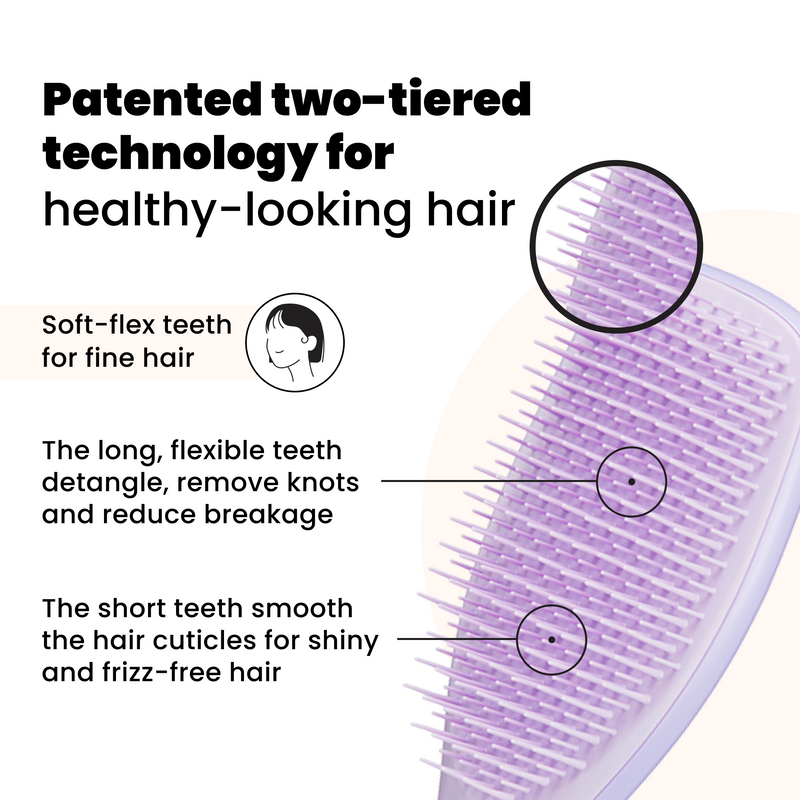
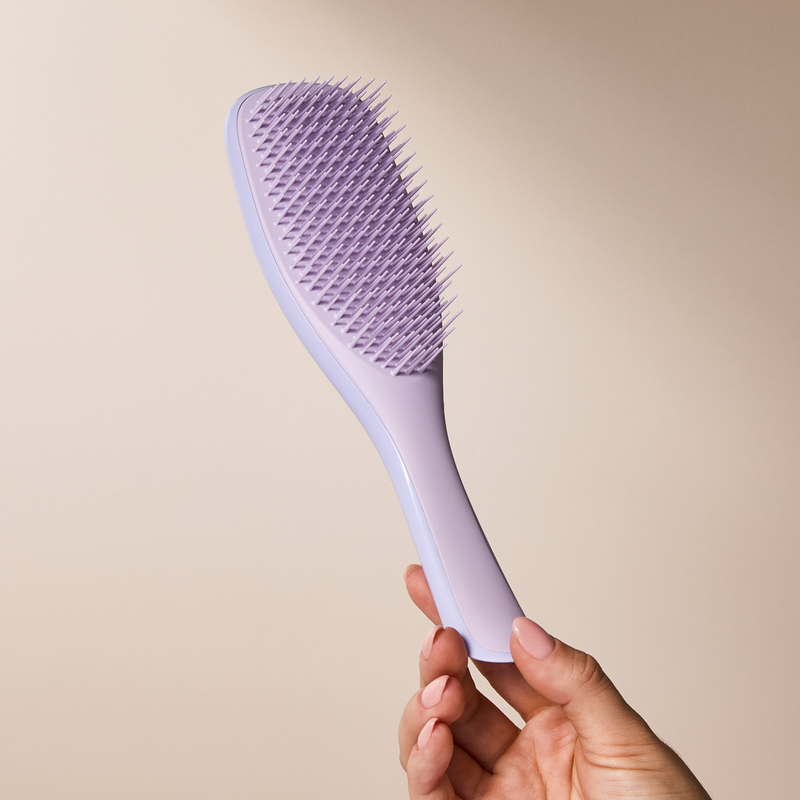
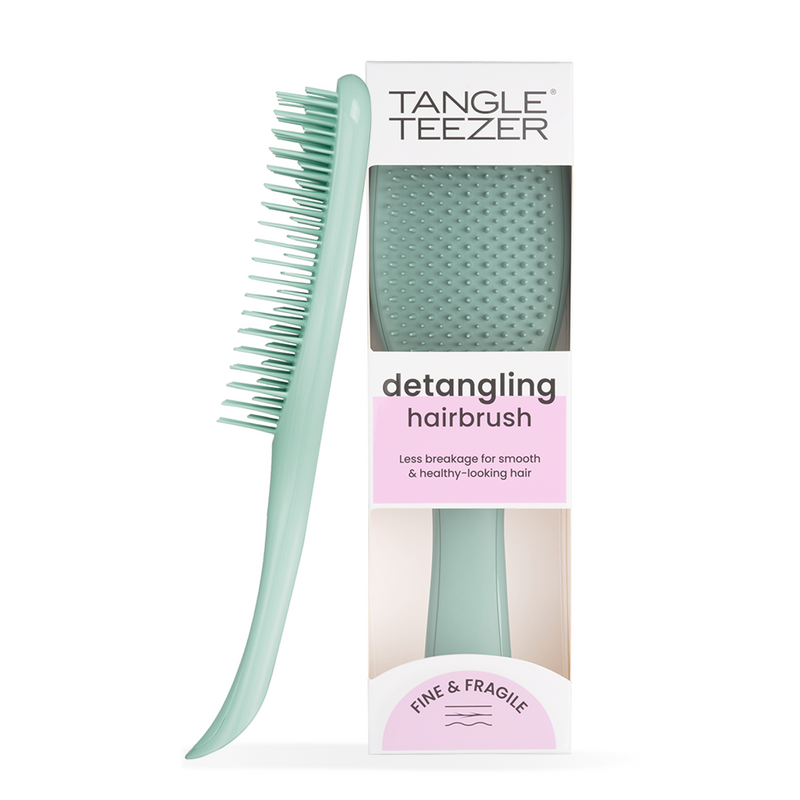
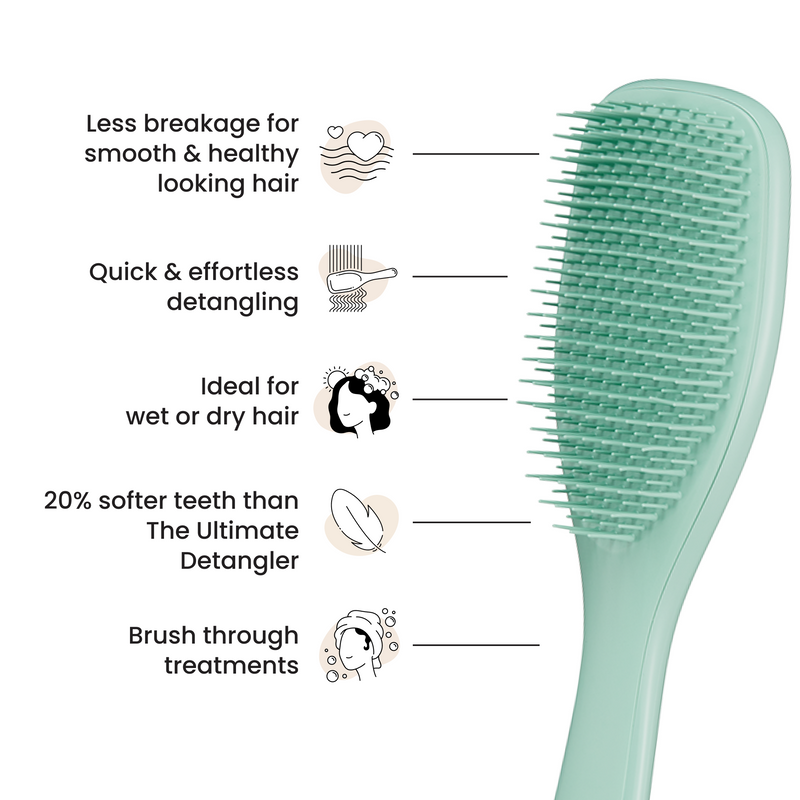
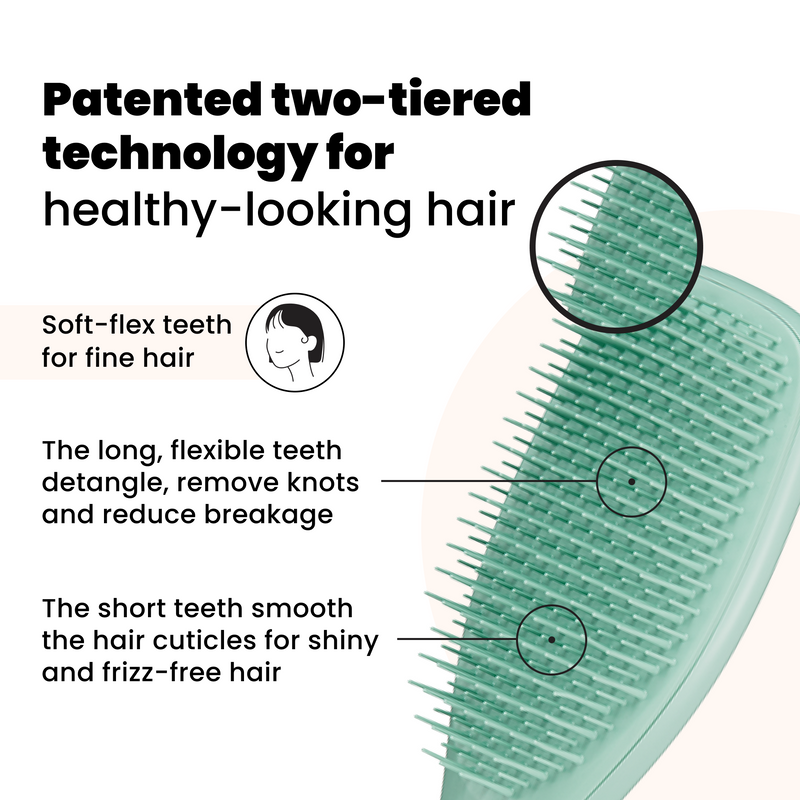
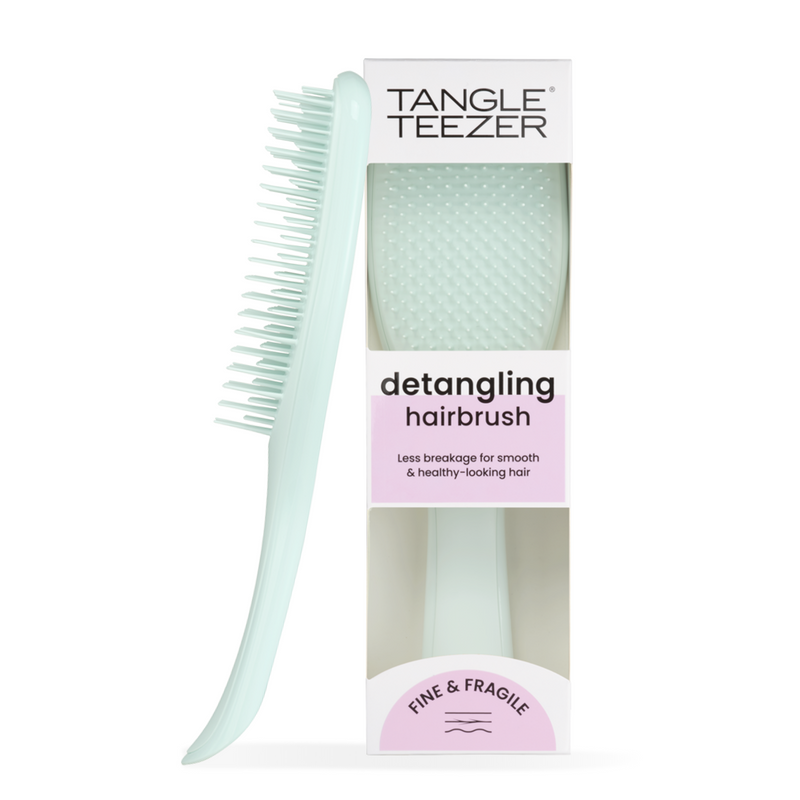
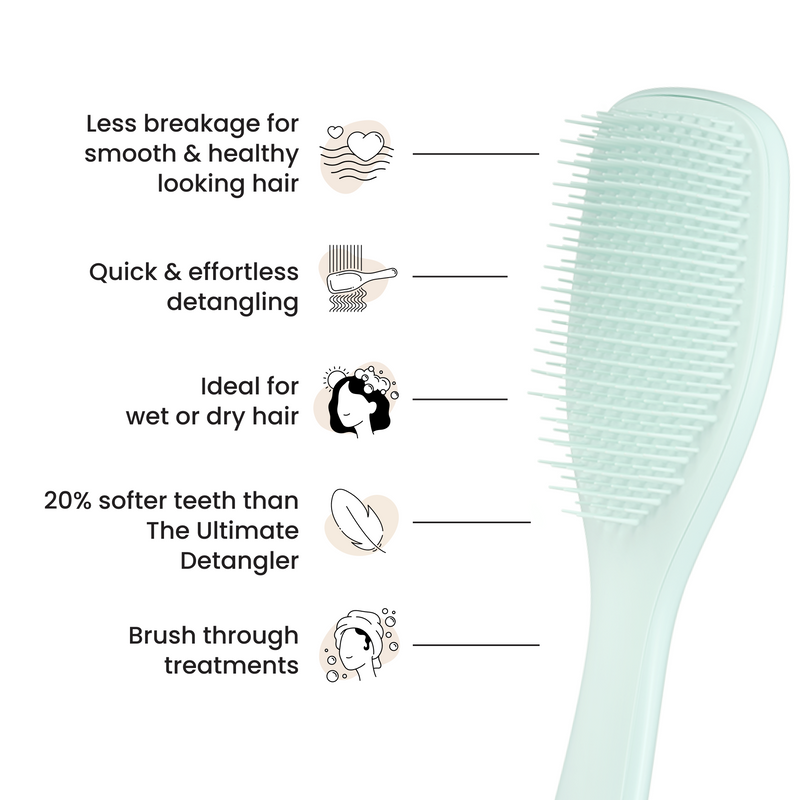
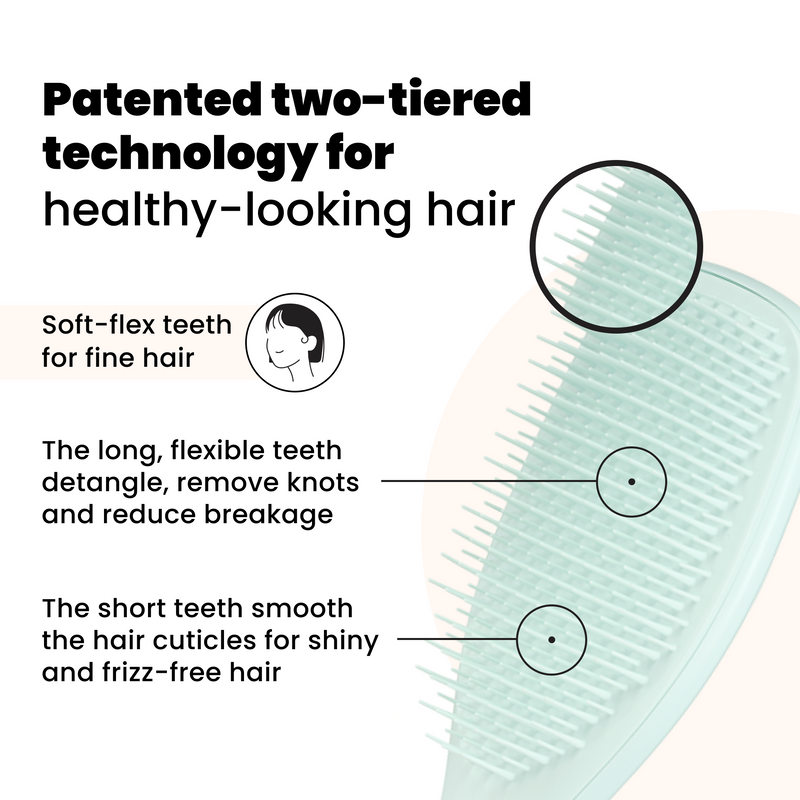
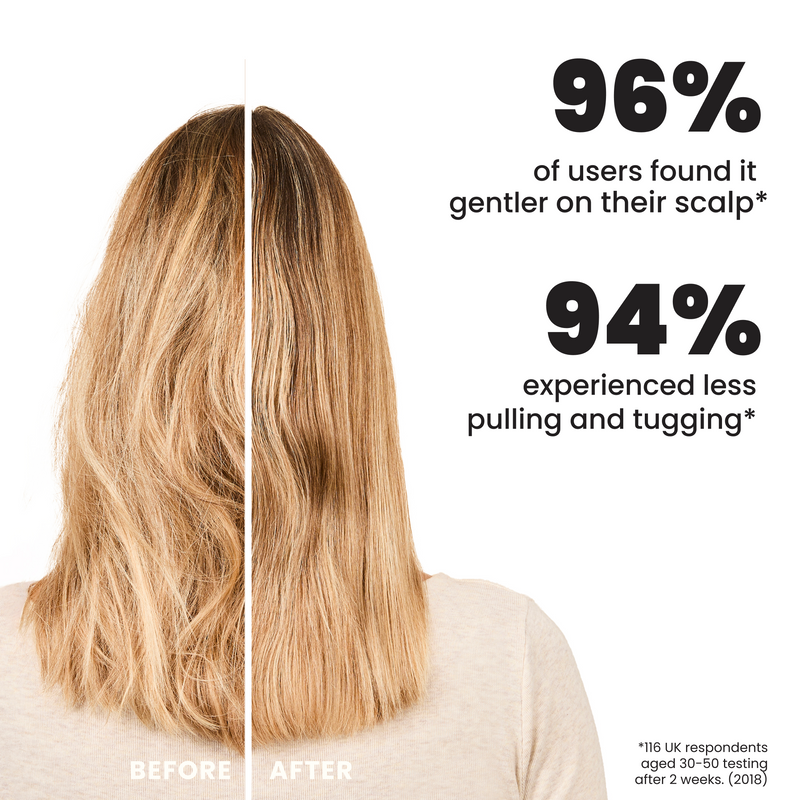
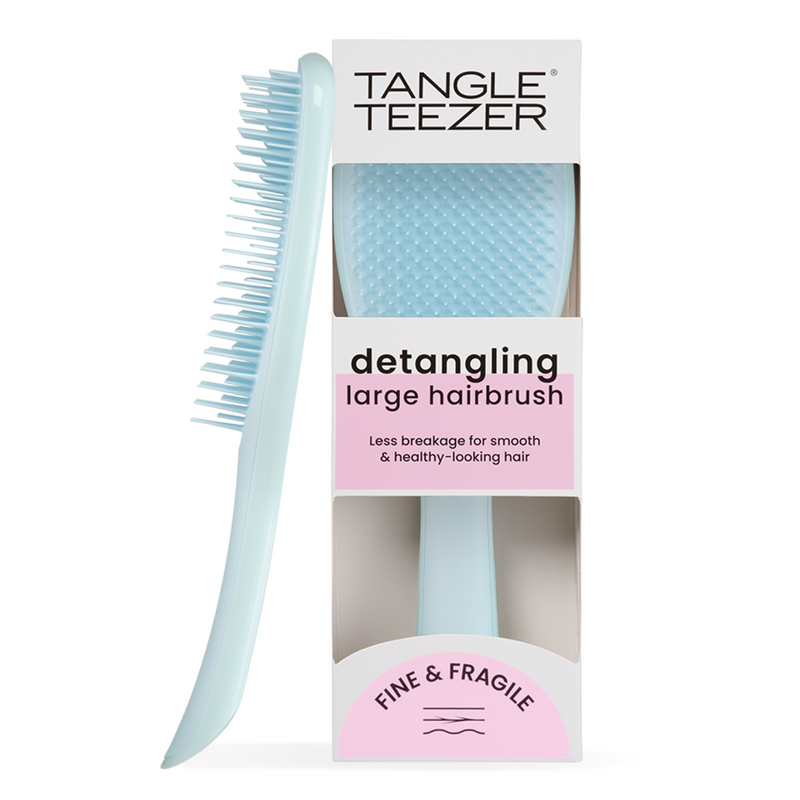
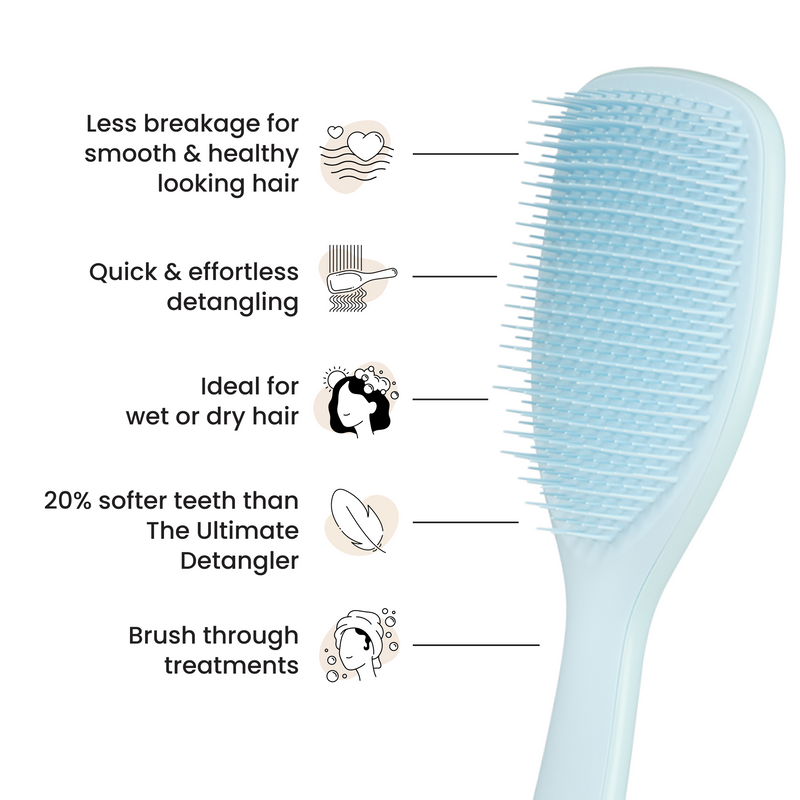
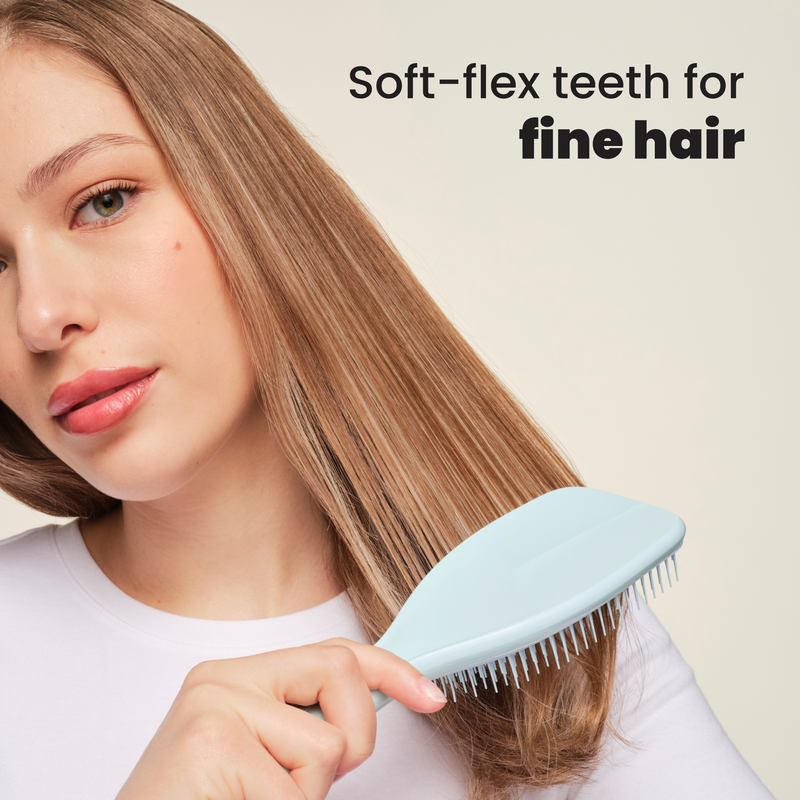
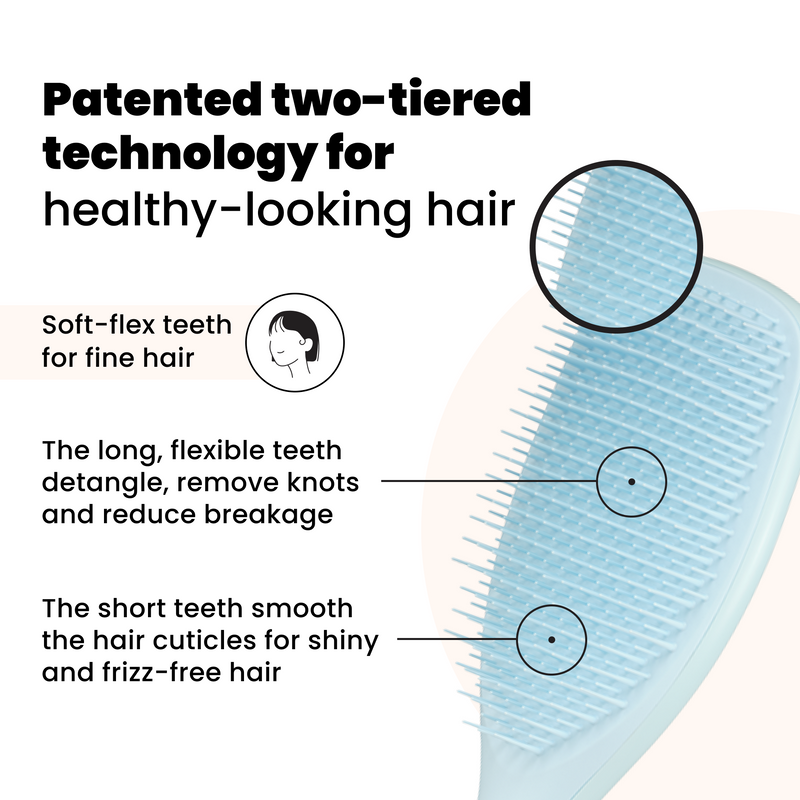
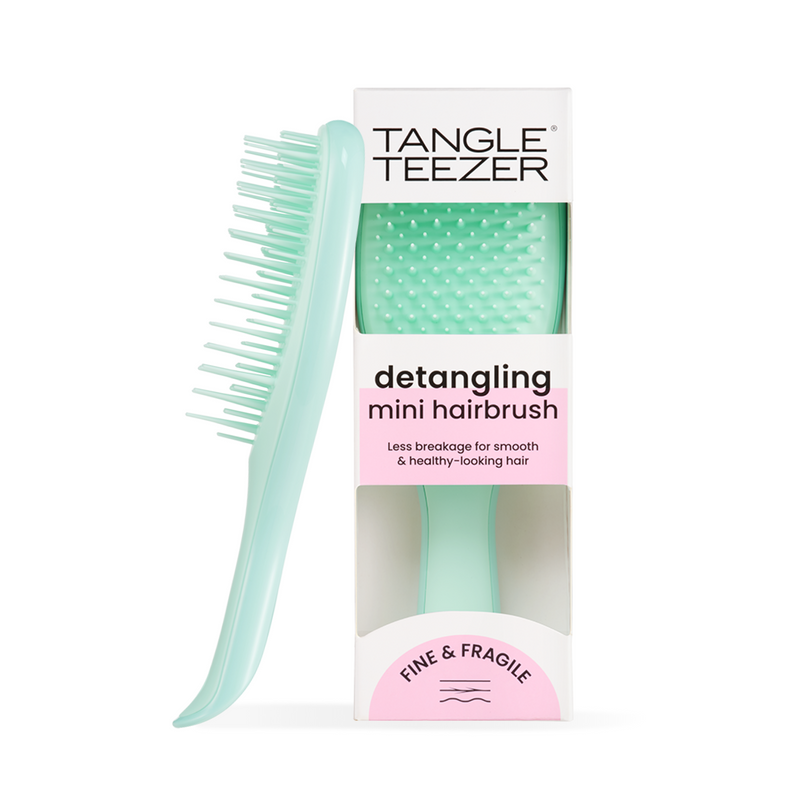
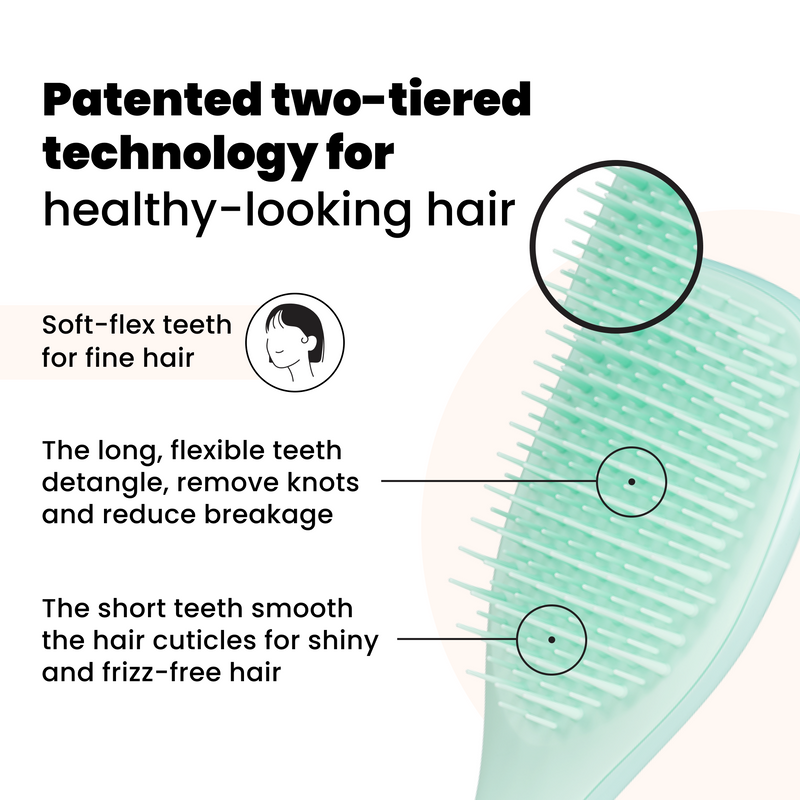
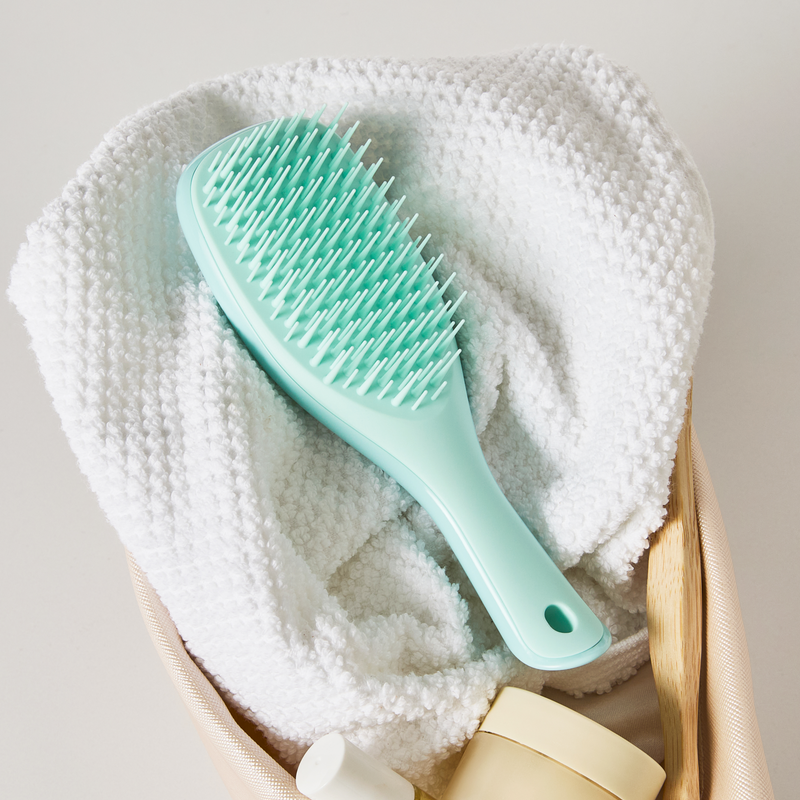
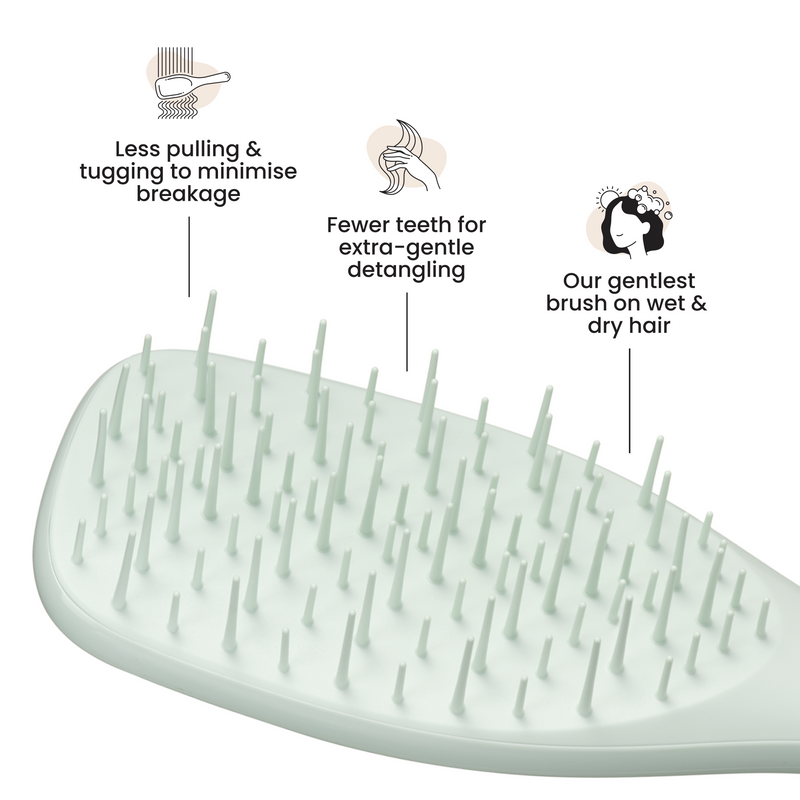
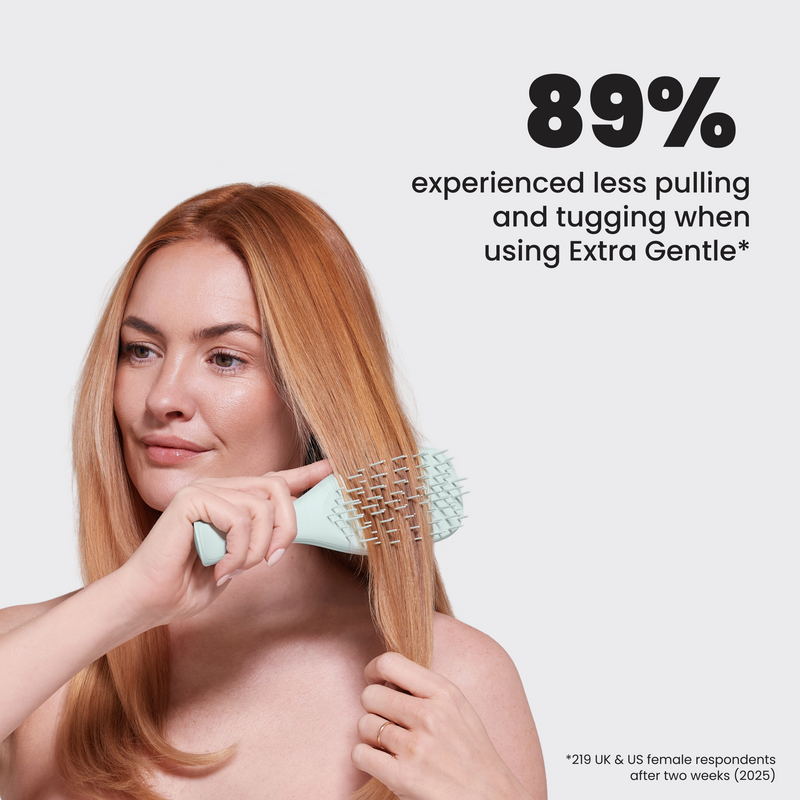
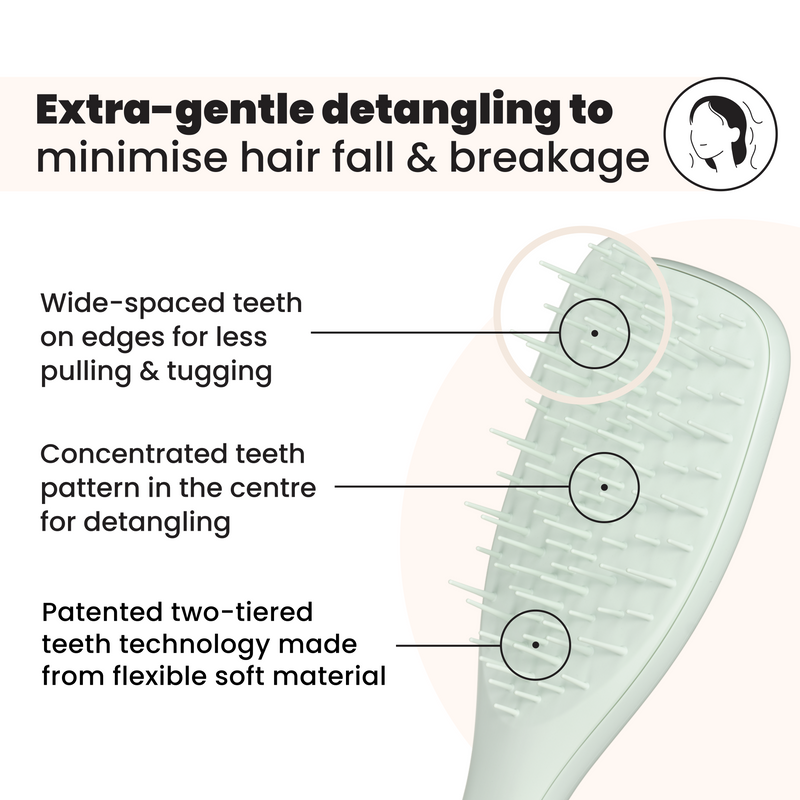
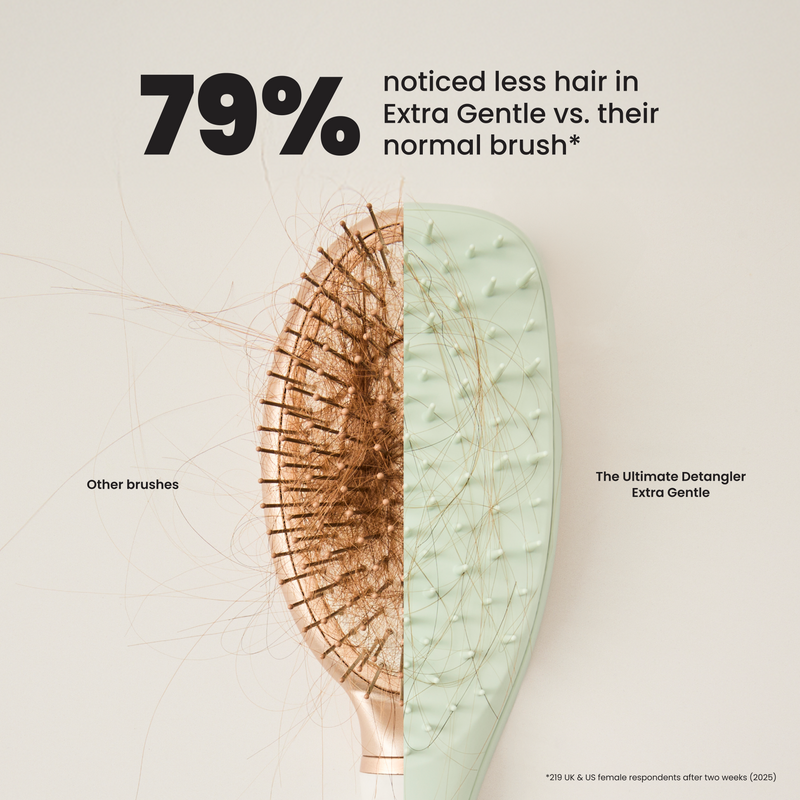
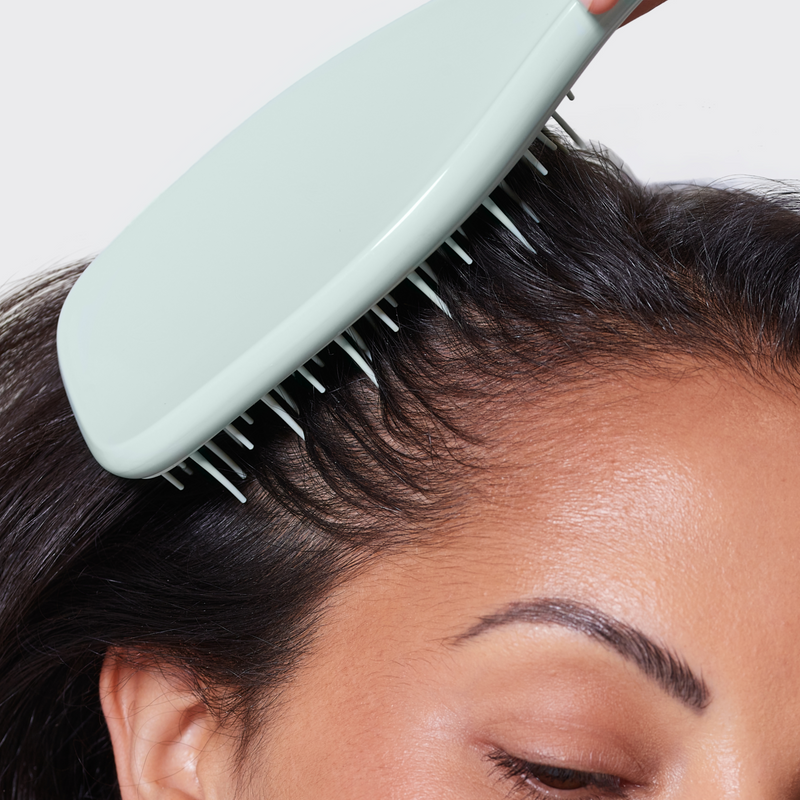
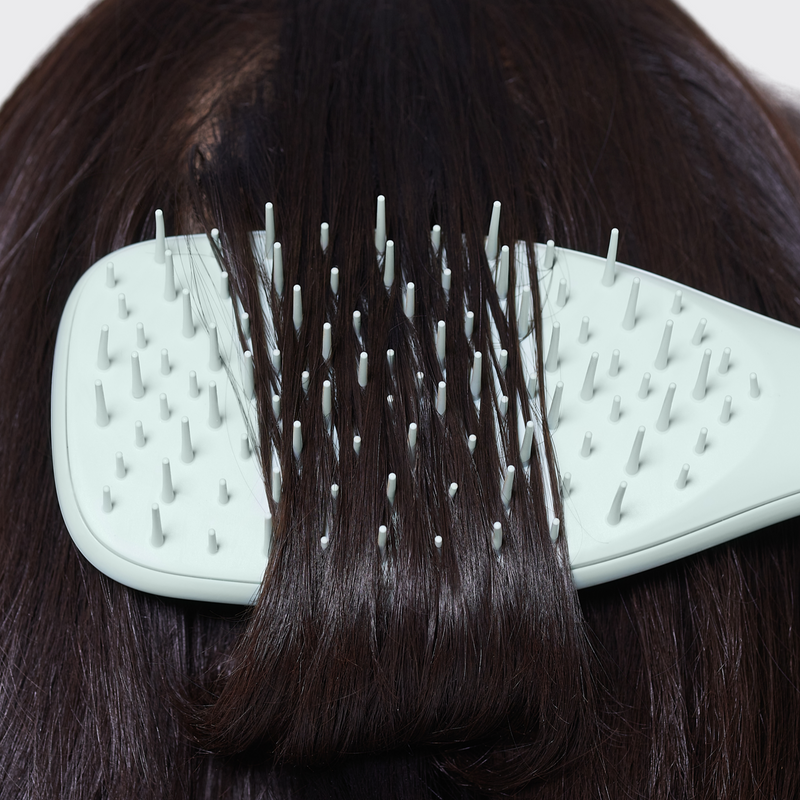
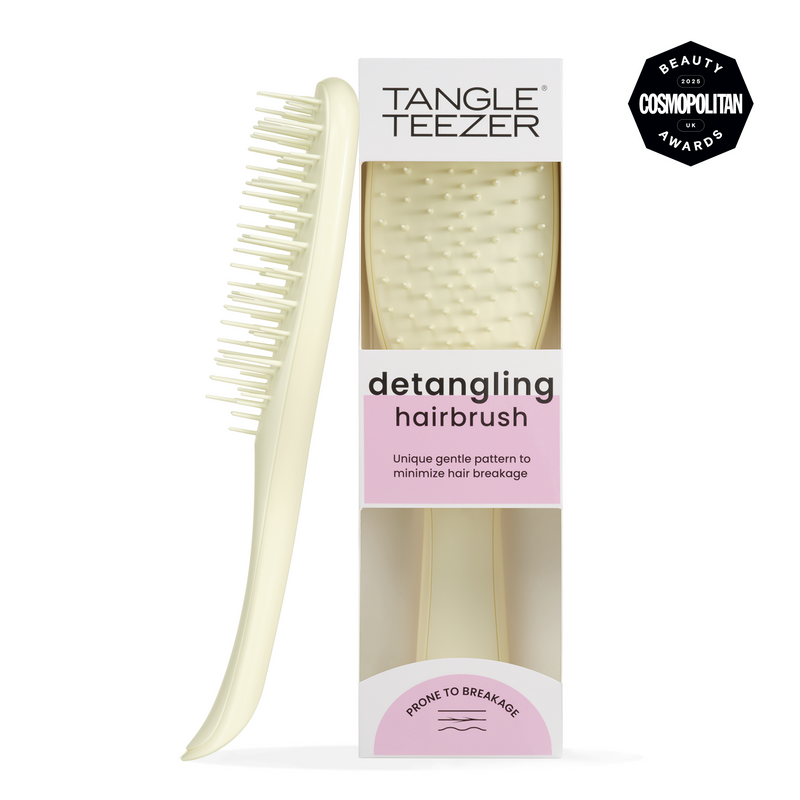
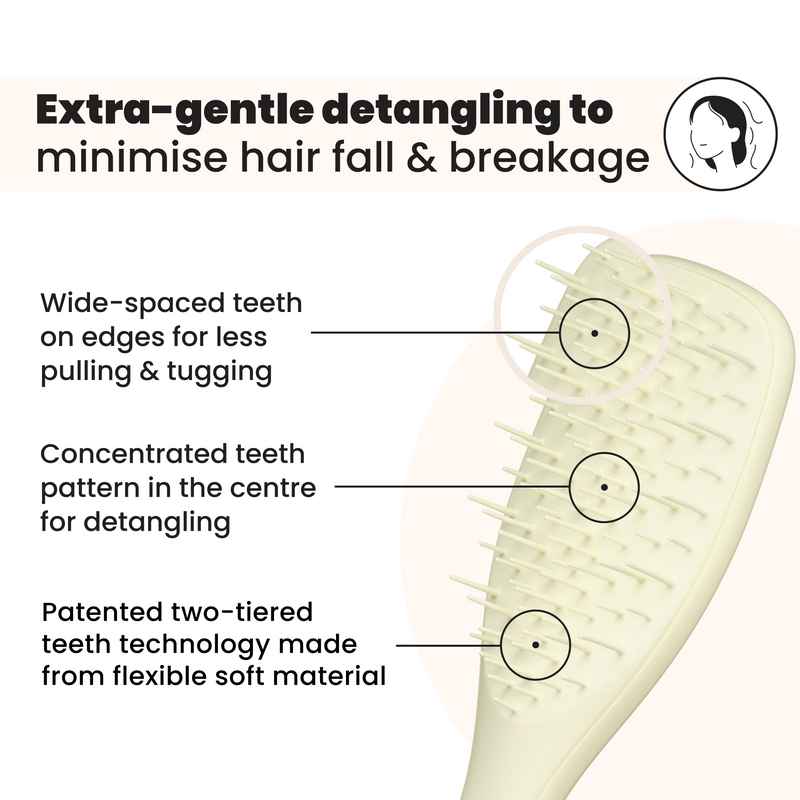
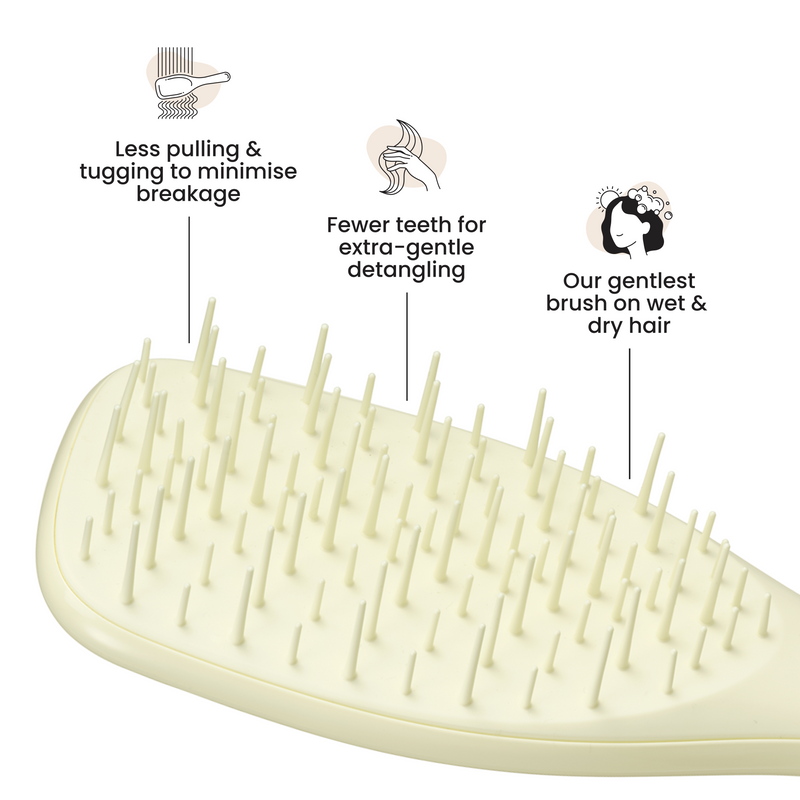
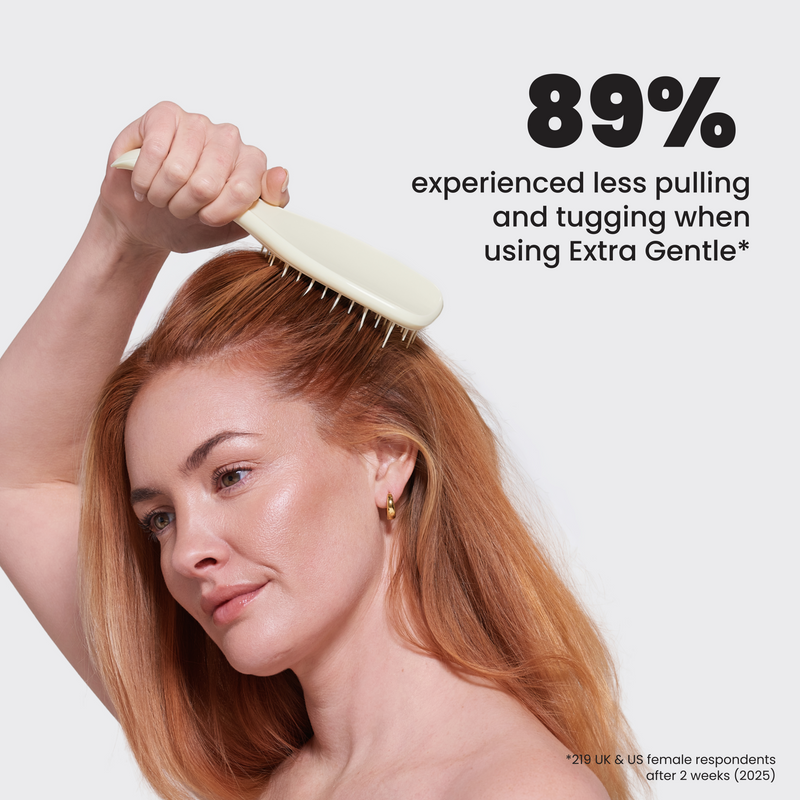
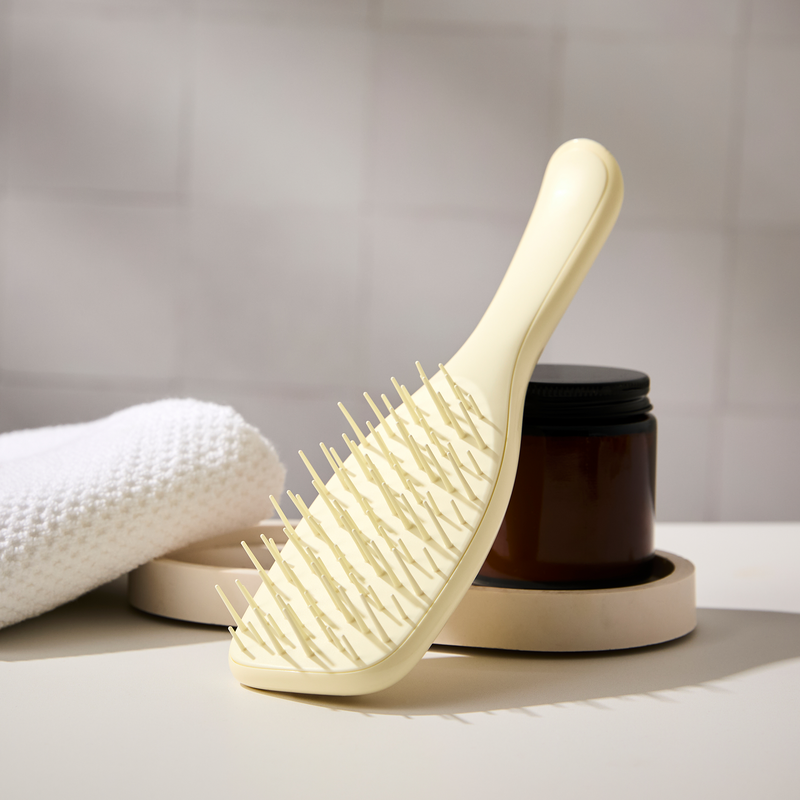
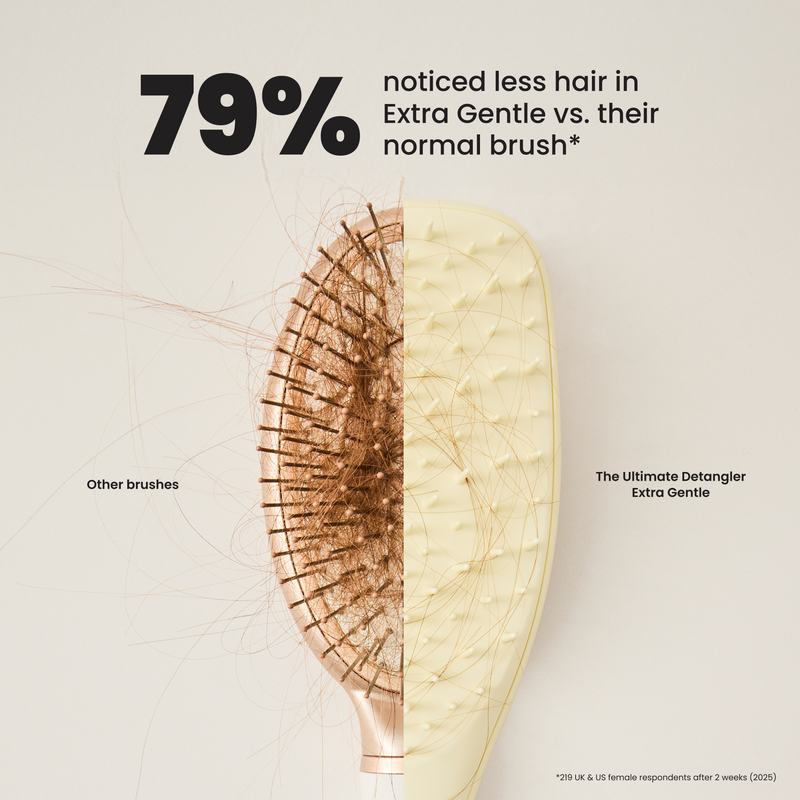
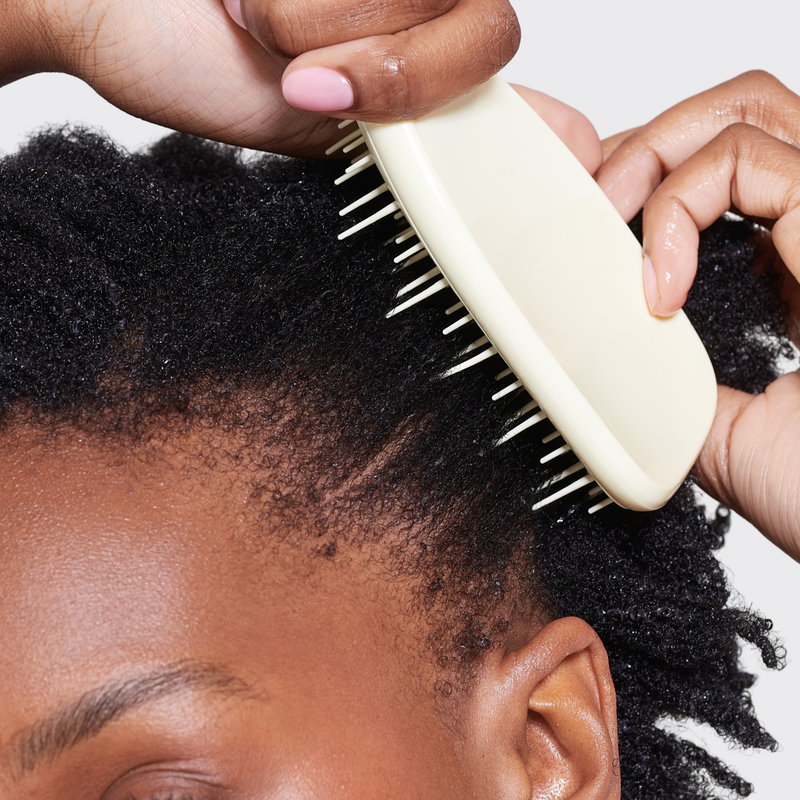
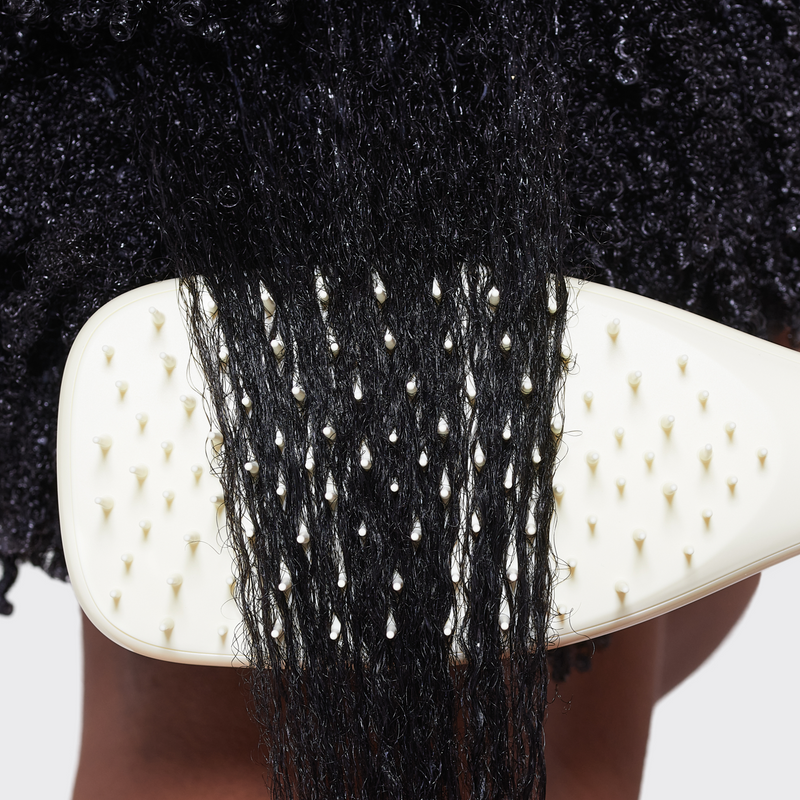
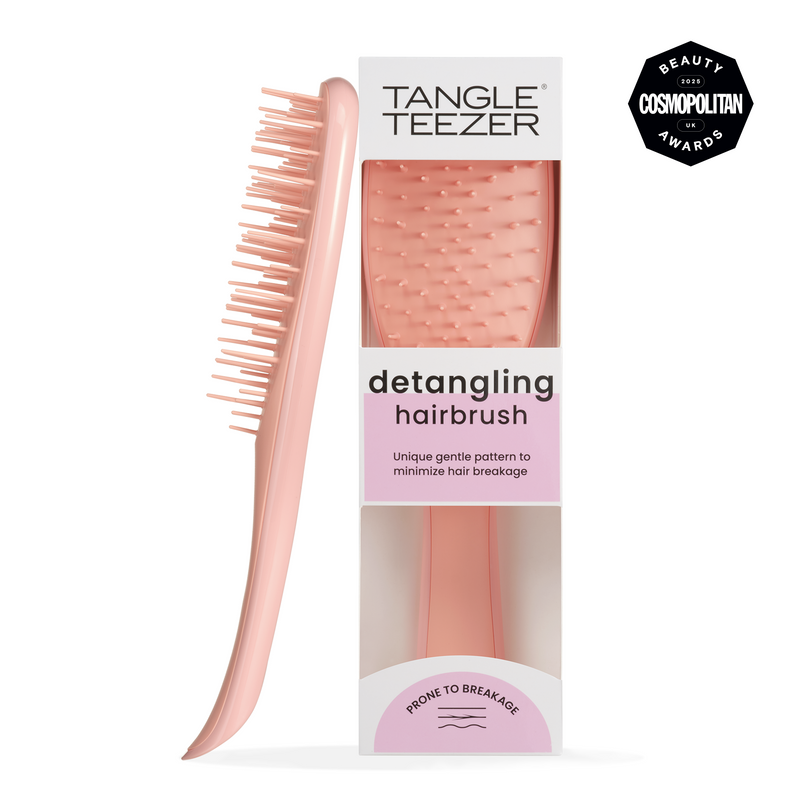
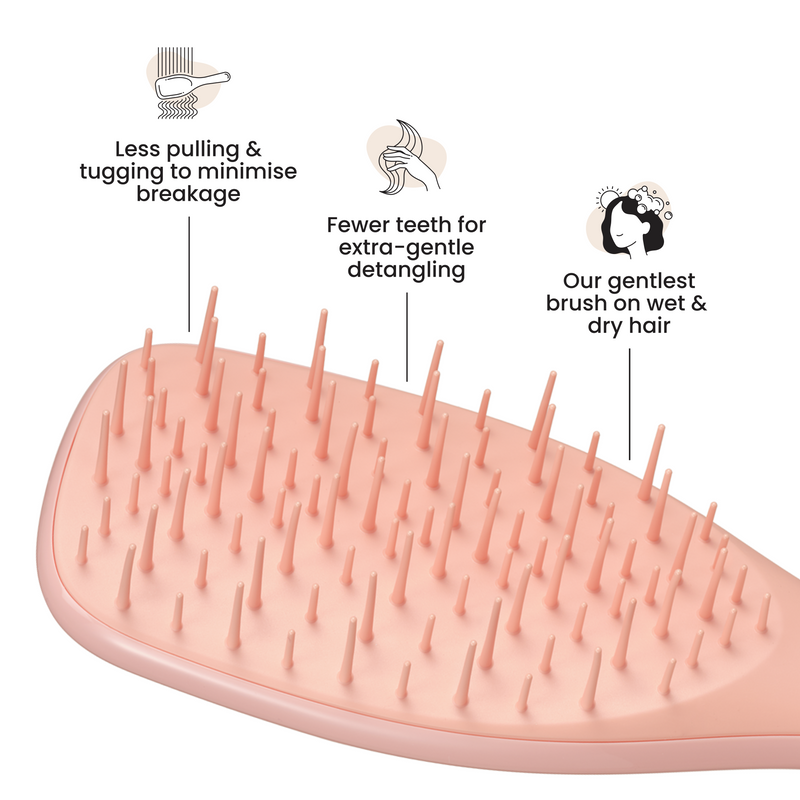
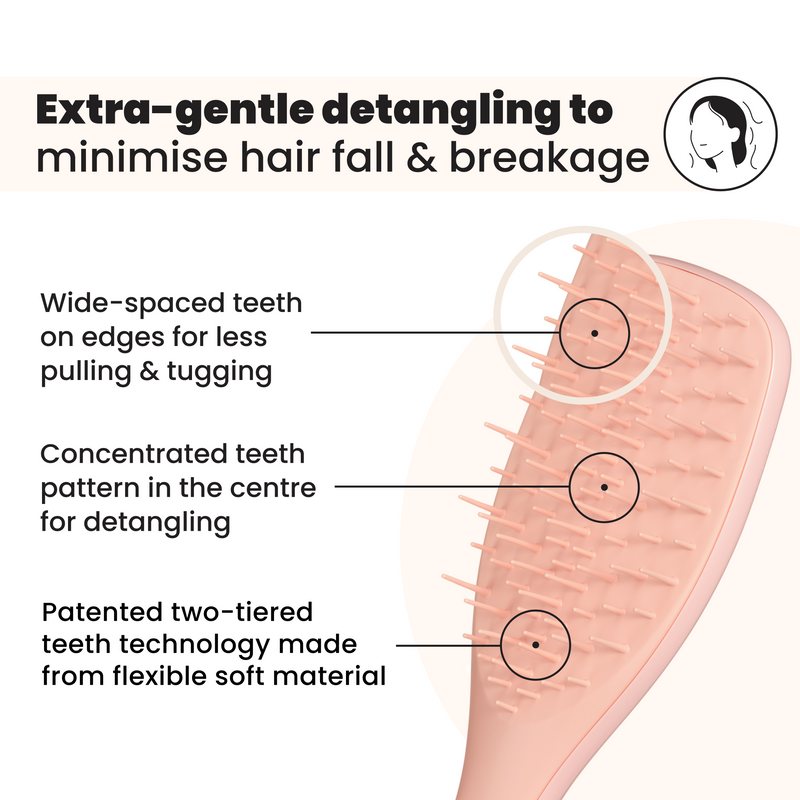
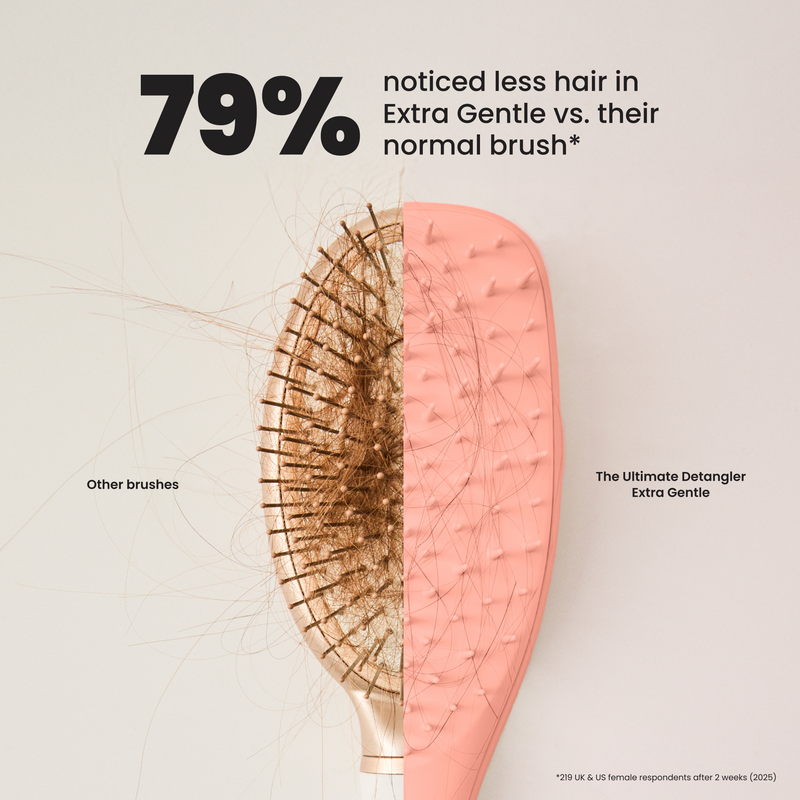
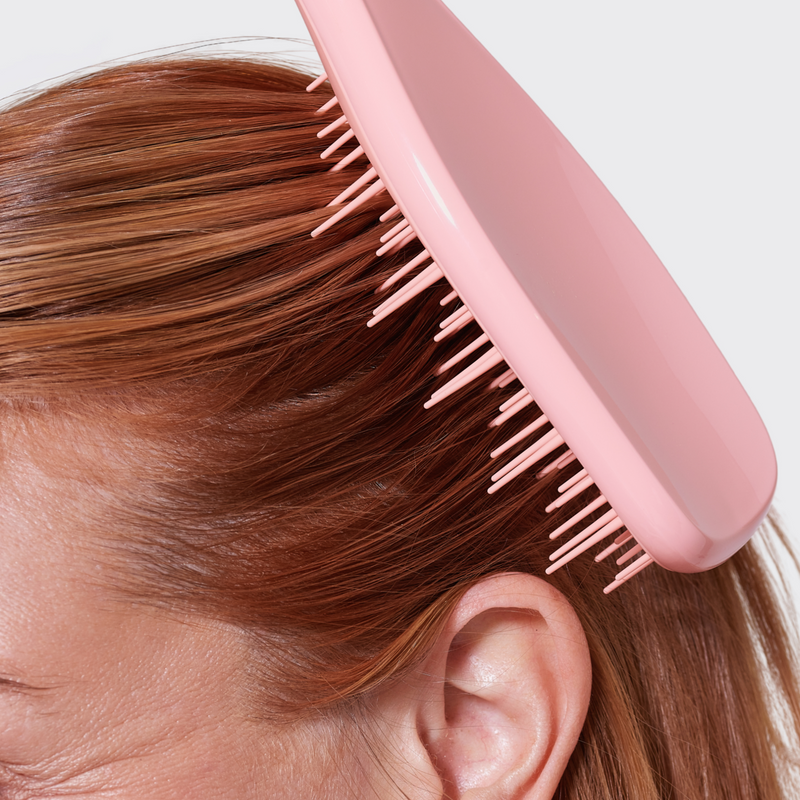
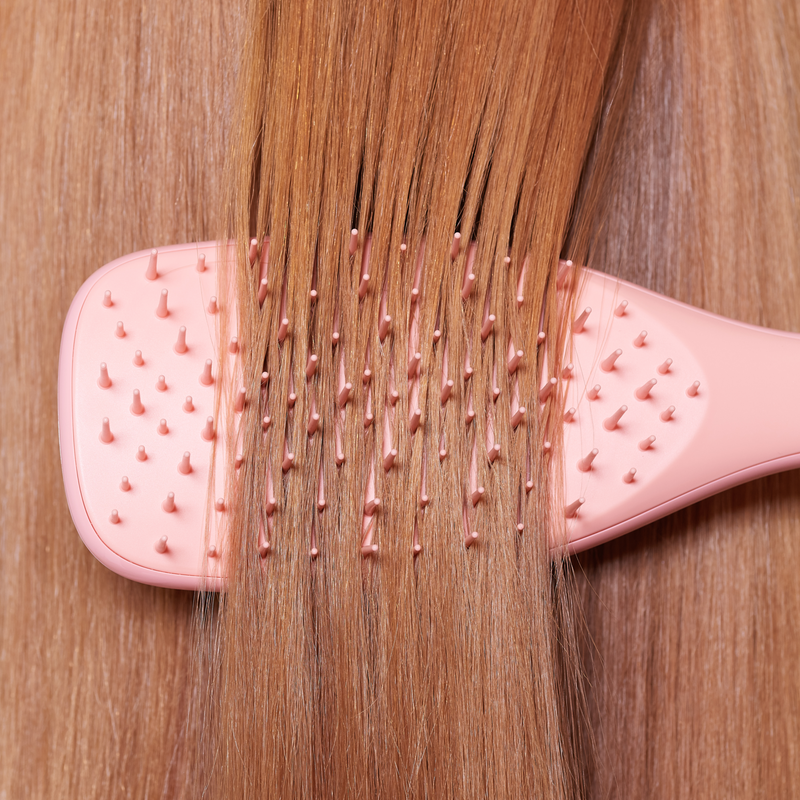
Angela's videos were made in partnership with the Tangle Teezer Extra Gentle, and the engineering behind it maps directly onto the problem. The brush uses two different tooth lengths. The longer teeth move into tangles and begin to release them without anchoring at the root, which keeps traction low. The shorter teeth follow through and smooth the cuticle as the brush moves along the shaft, reducing friction. The teeth themselves are softer than a standard Tangle Teezer and flex to meet resistance rather than force through it.
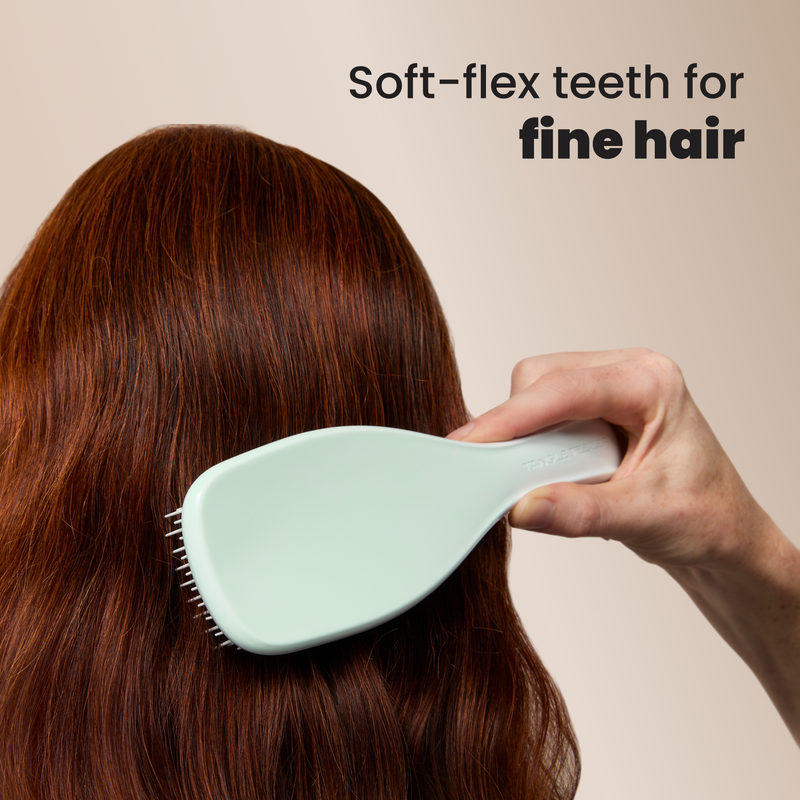
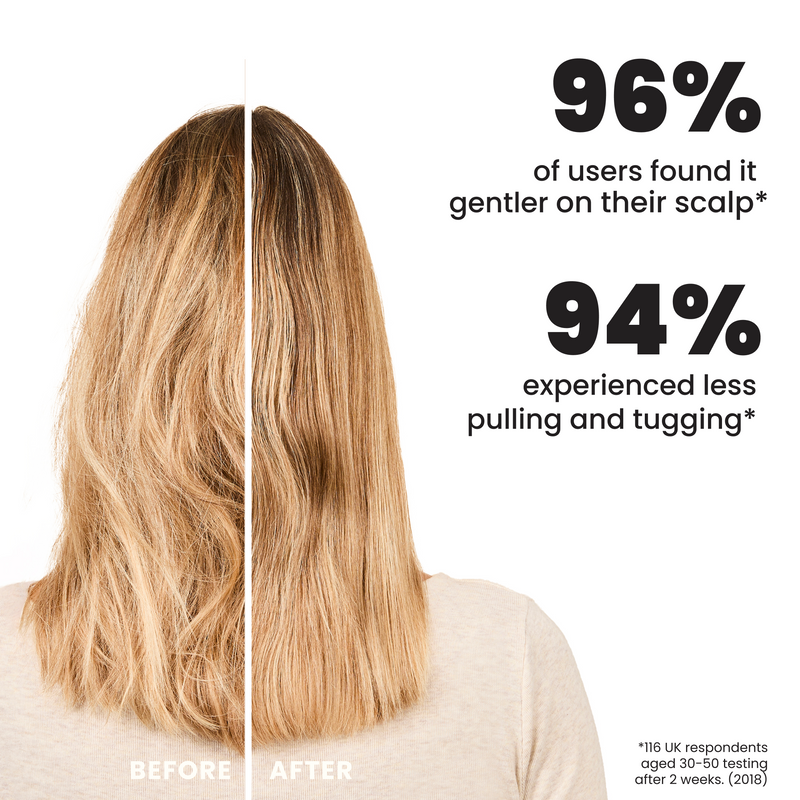
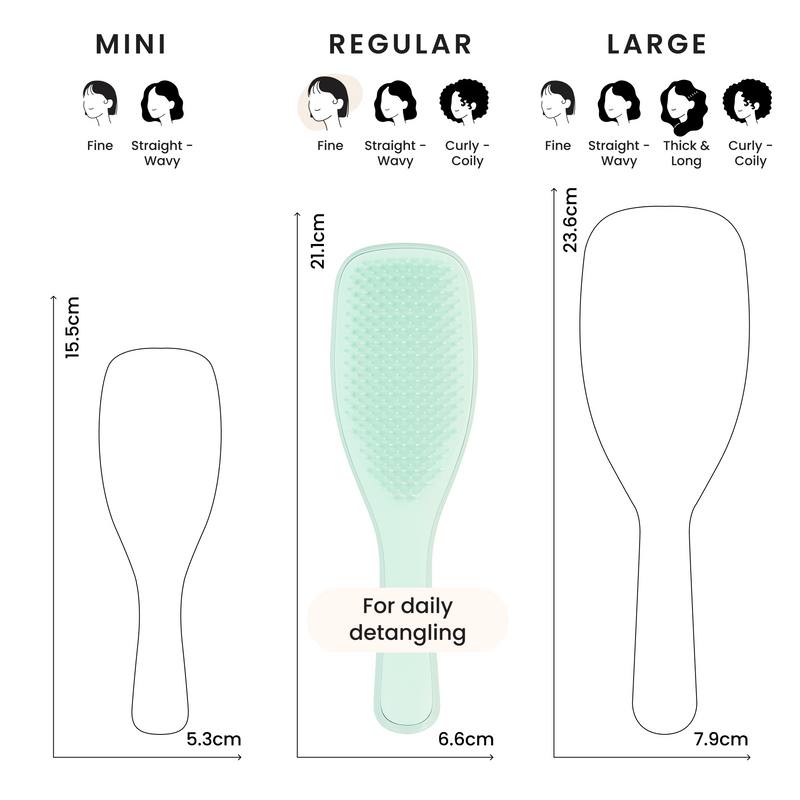
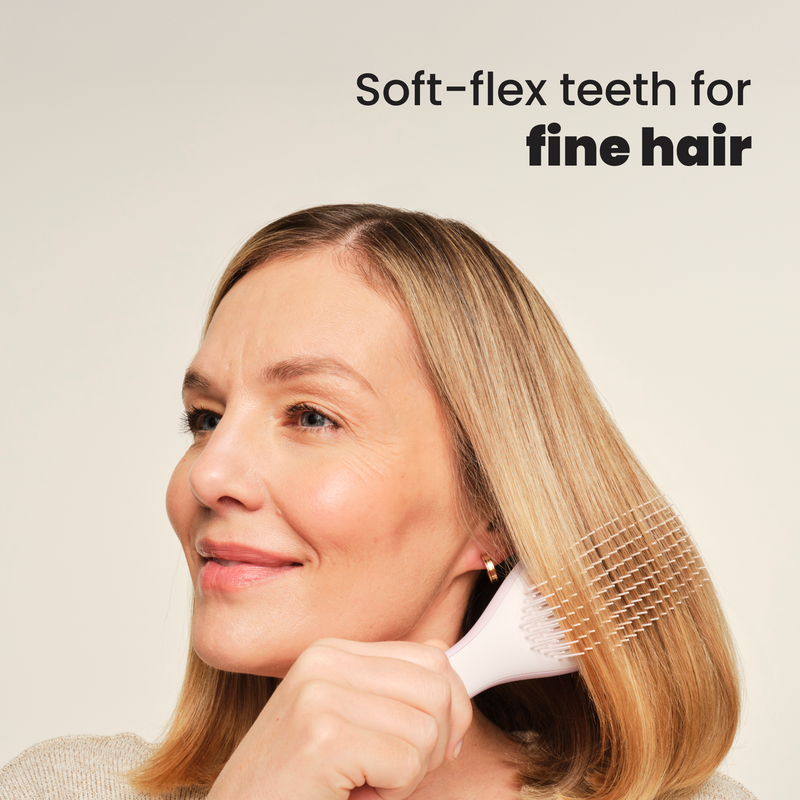
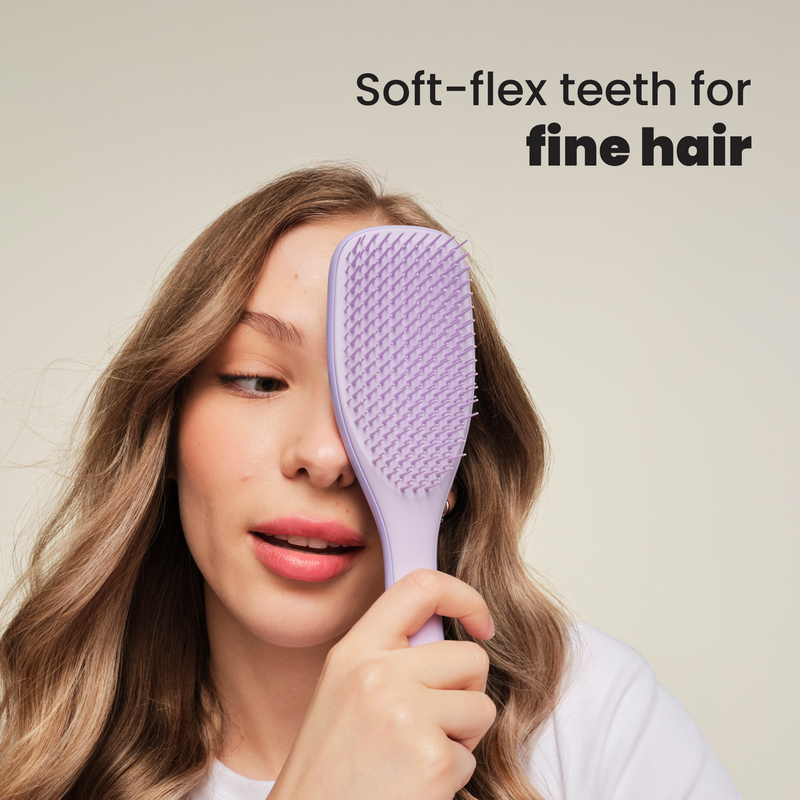
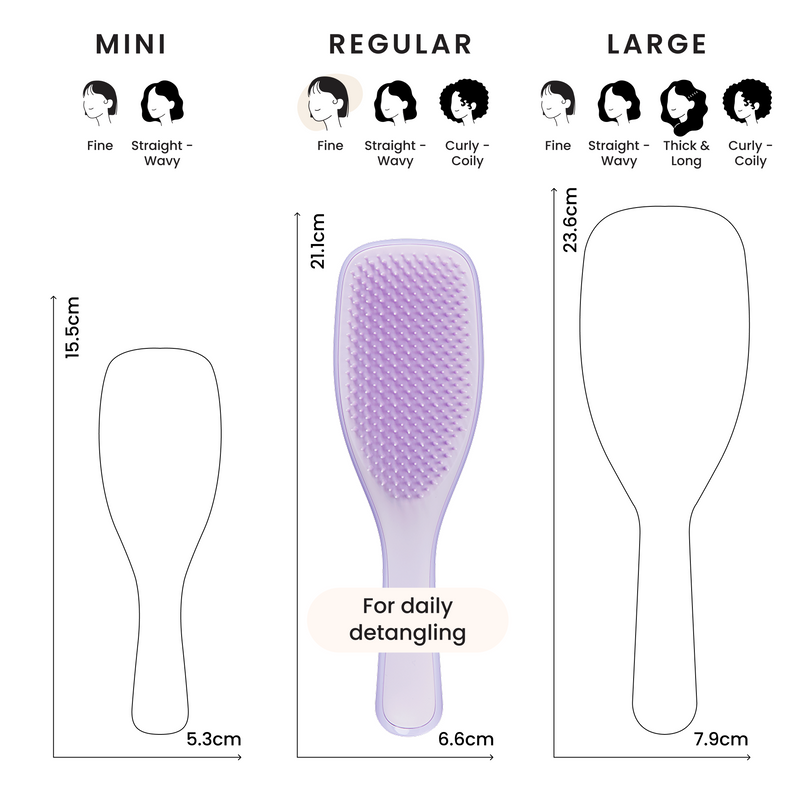
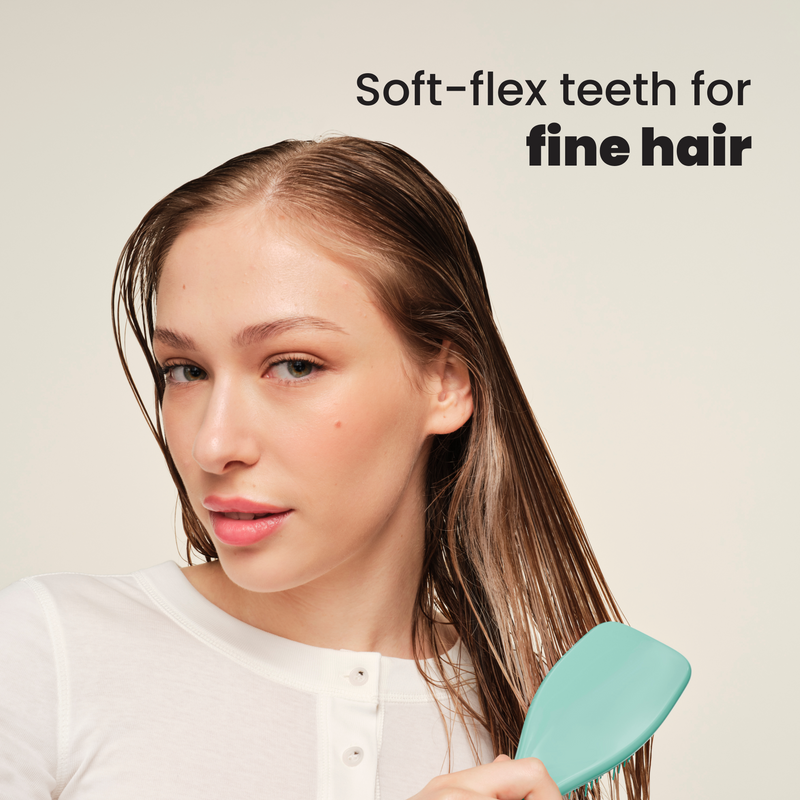
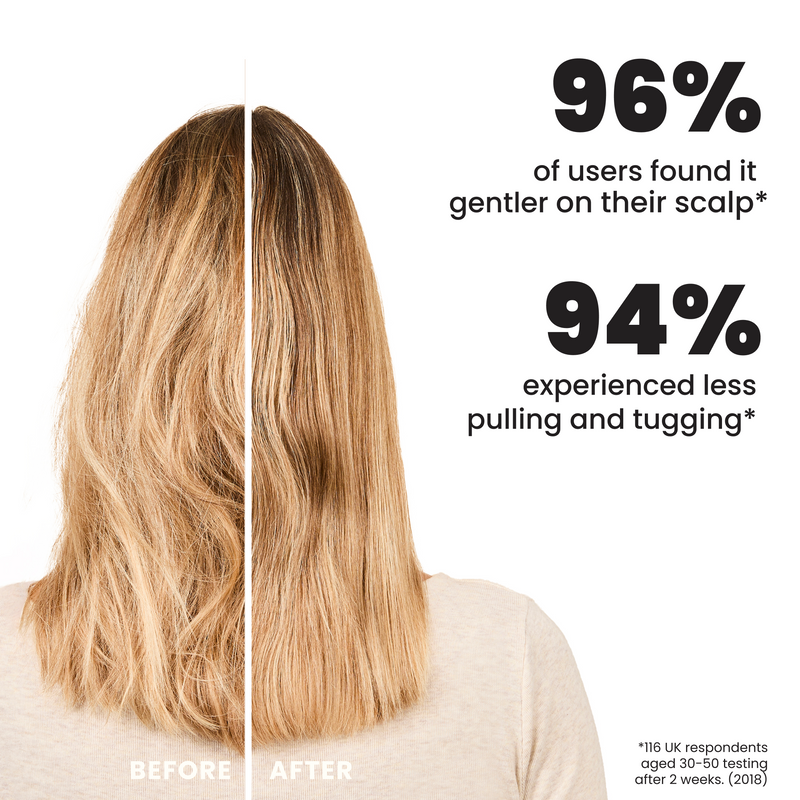
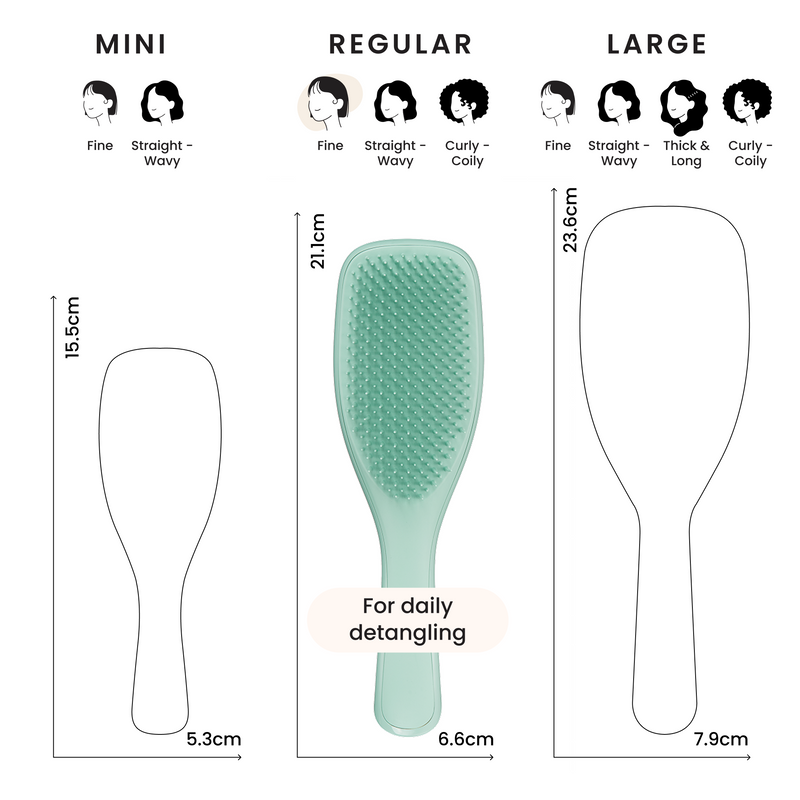
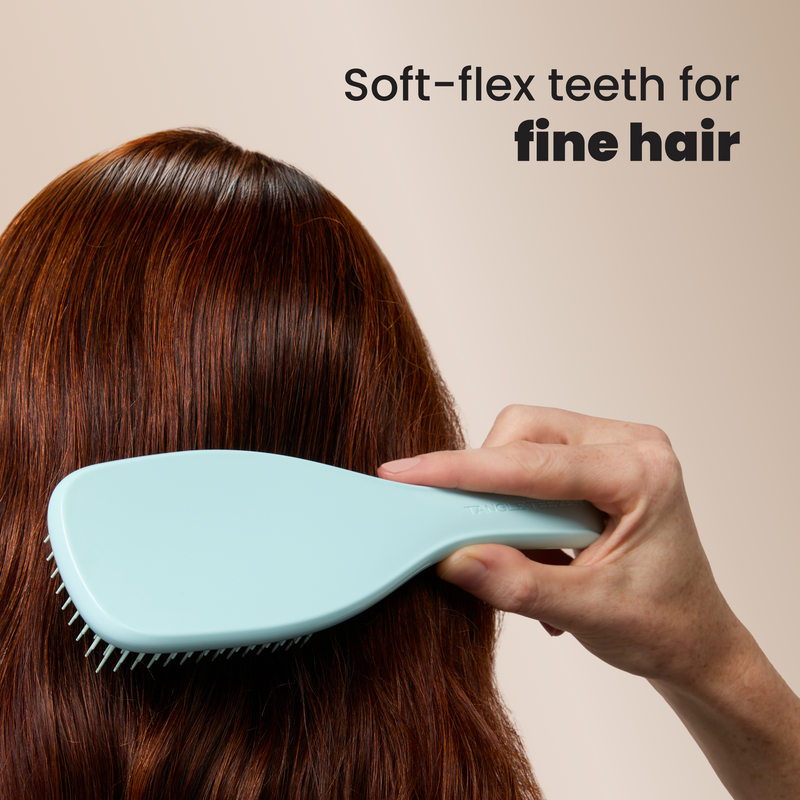
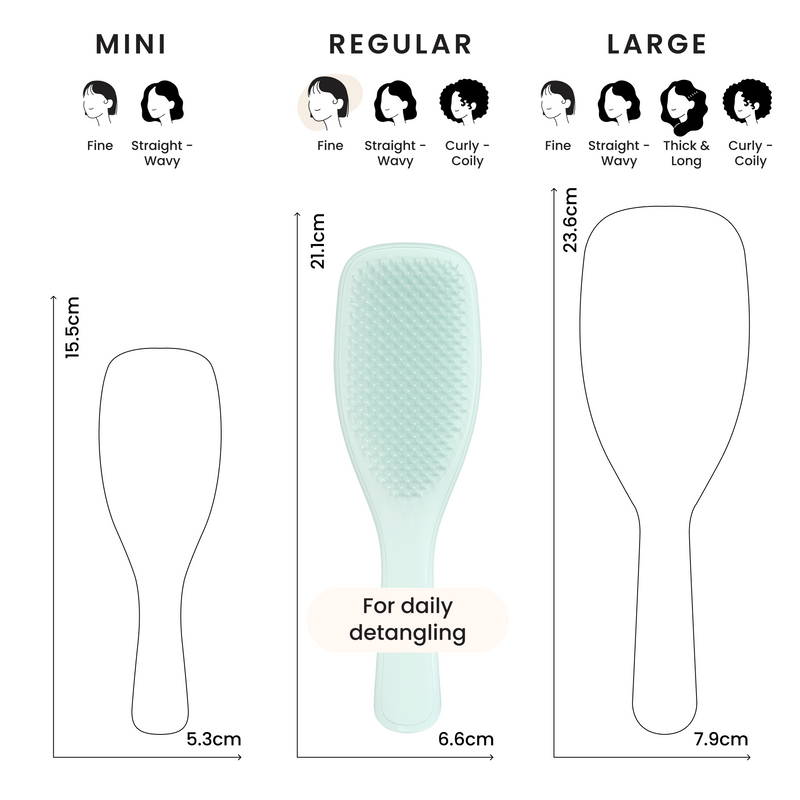
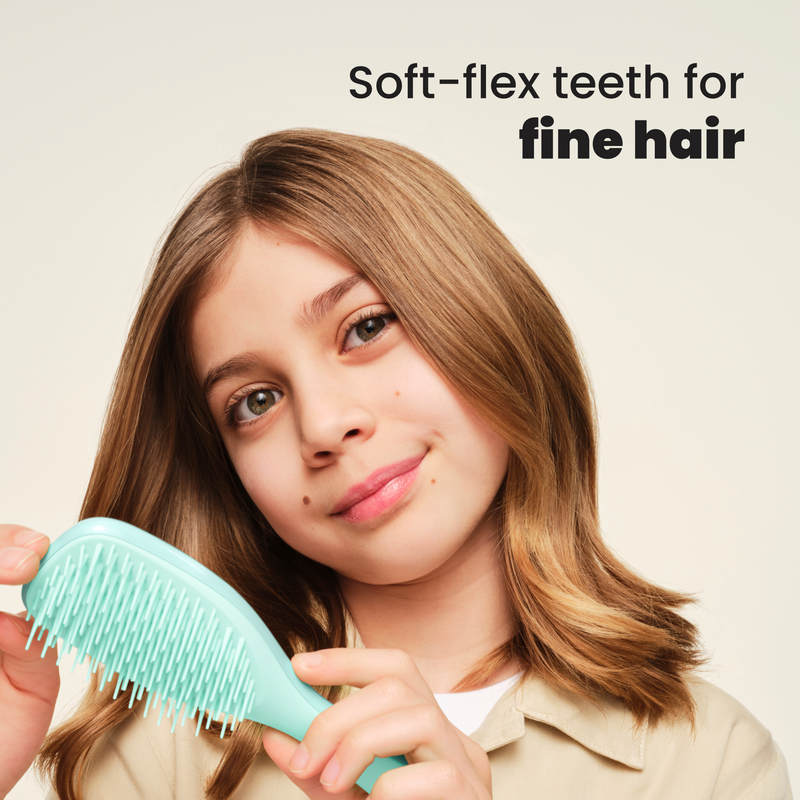
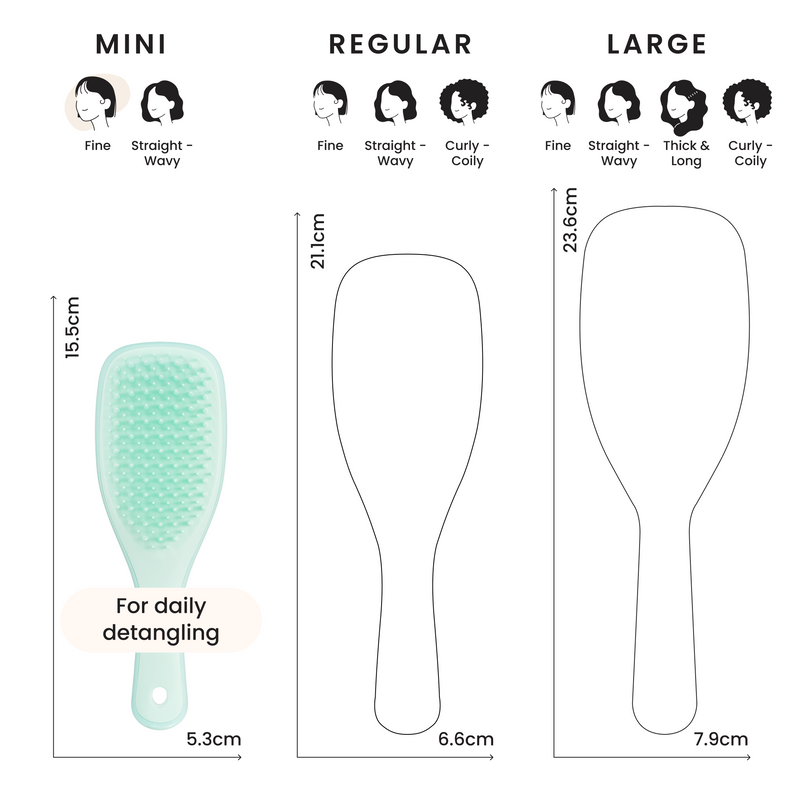
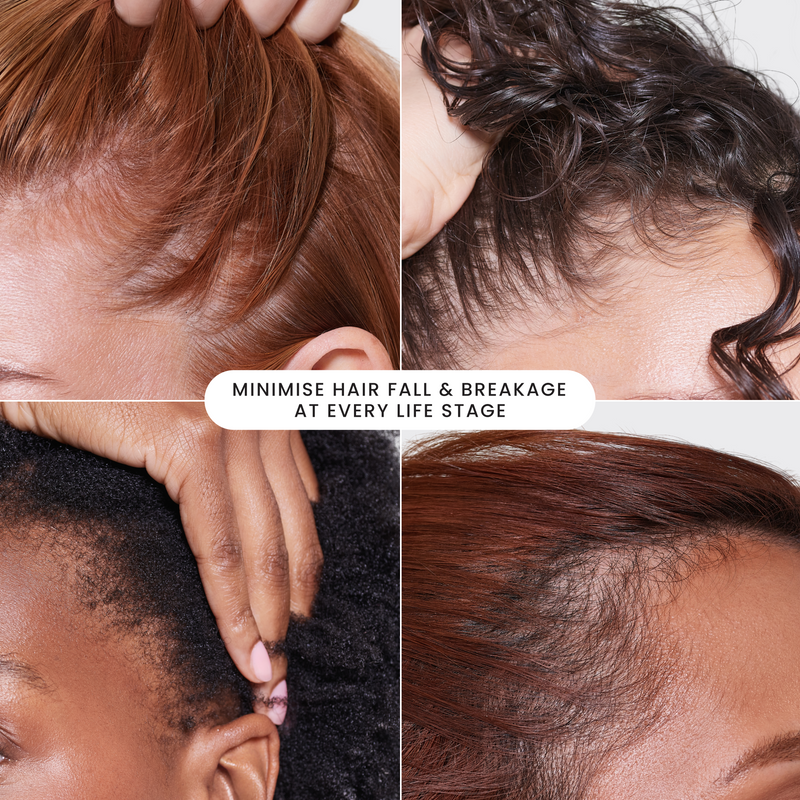
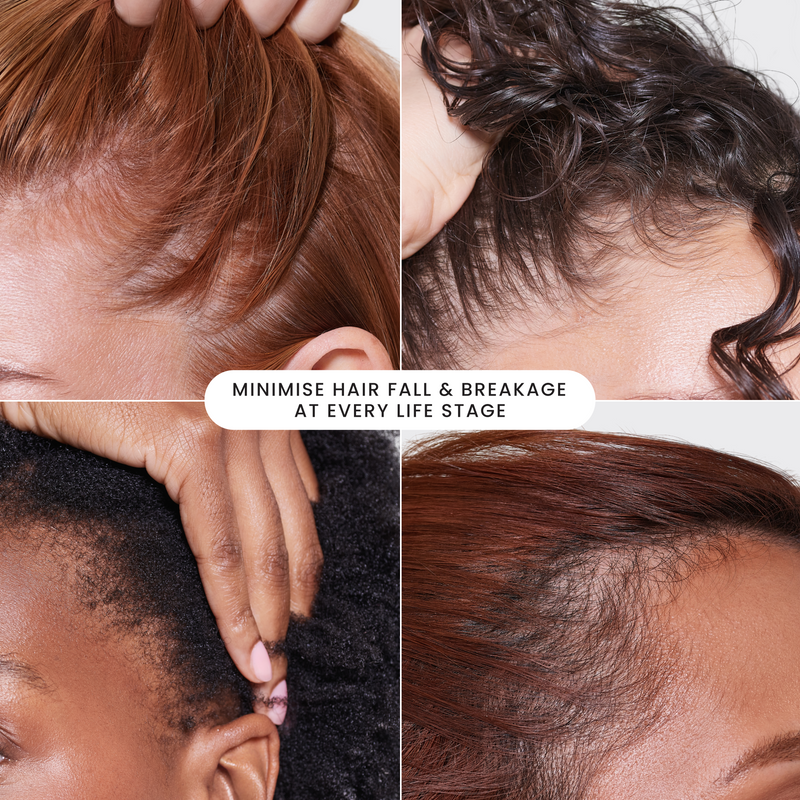
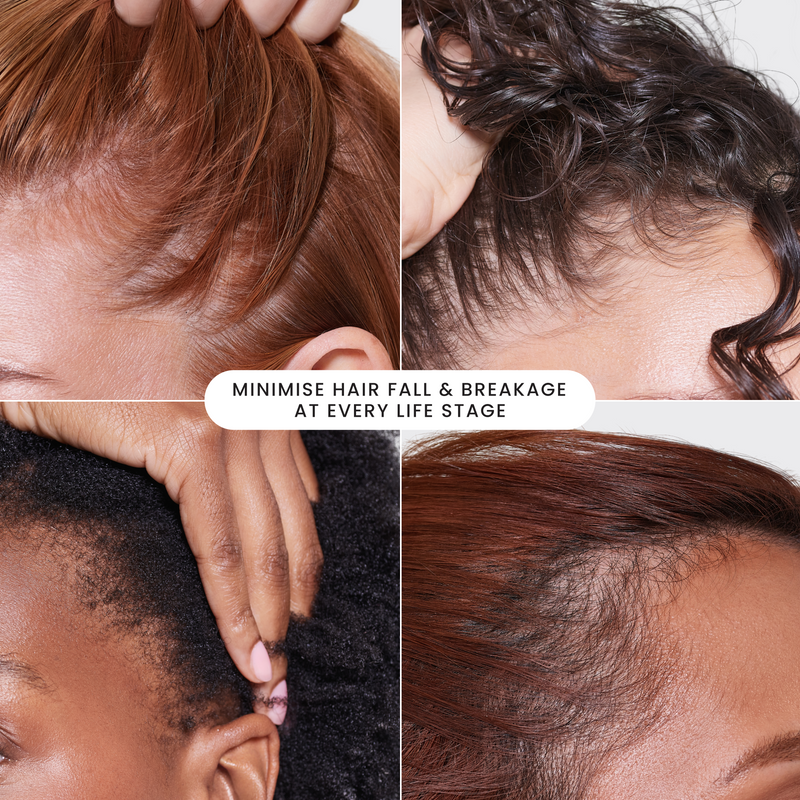
For fine or fragile hair, thinning hair, tight curls and coils prone to single-strand knots, or hair that's regularly detangled wet, daily traction and friction from the wrong brush does real damage over time. The Extra Gentle is built for exactly that kind of hair.
If you're brushing wet hair, add conditioner or a hair mask first. Wet hair is more elastic but temporarily weaker, and slip reduces friction significantly.
£15.00
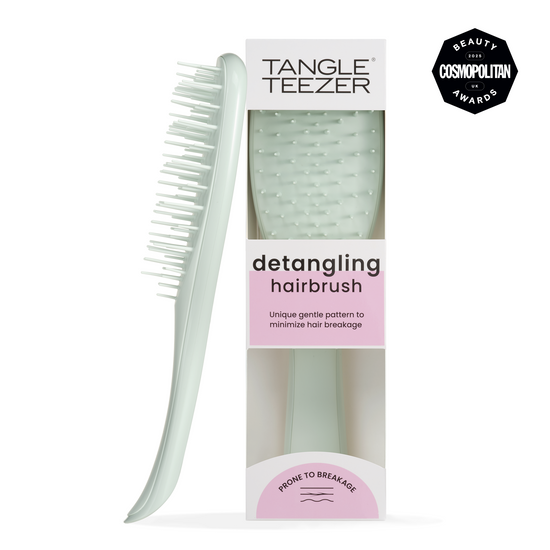
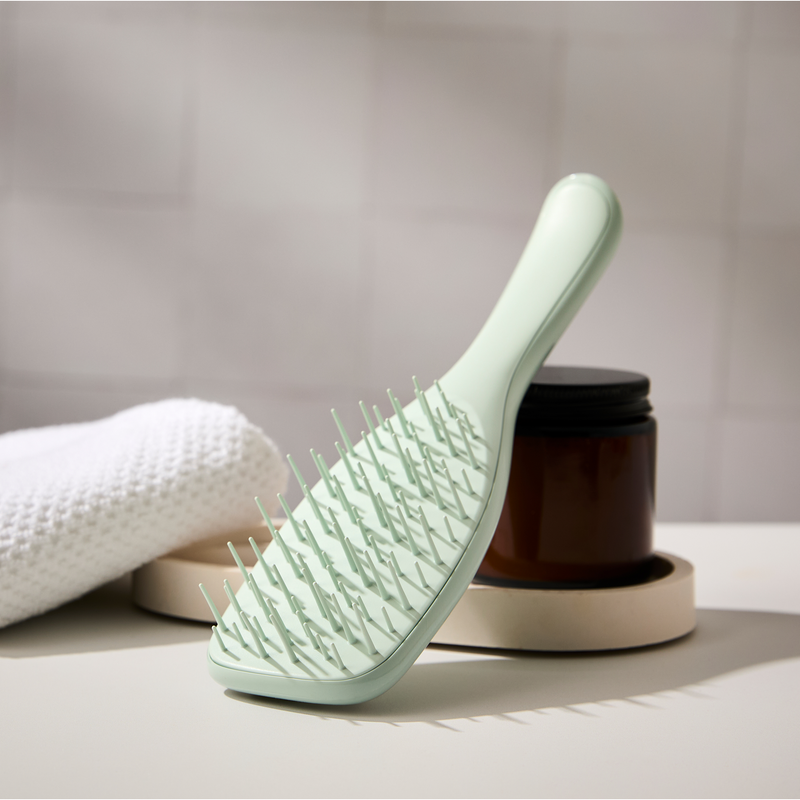
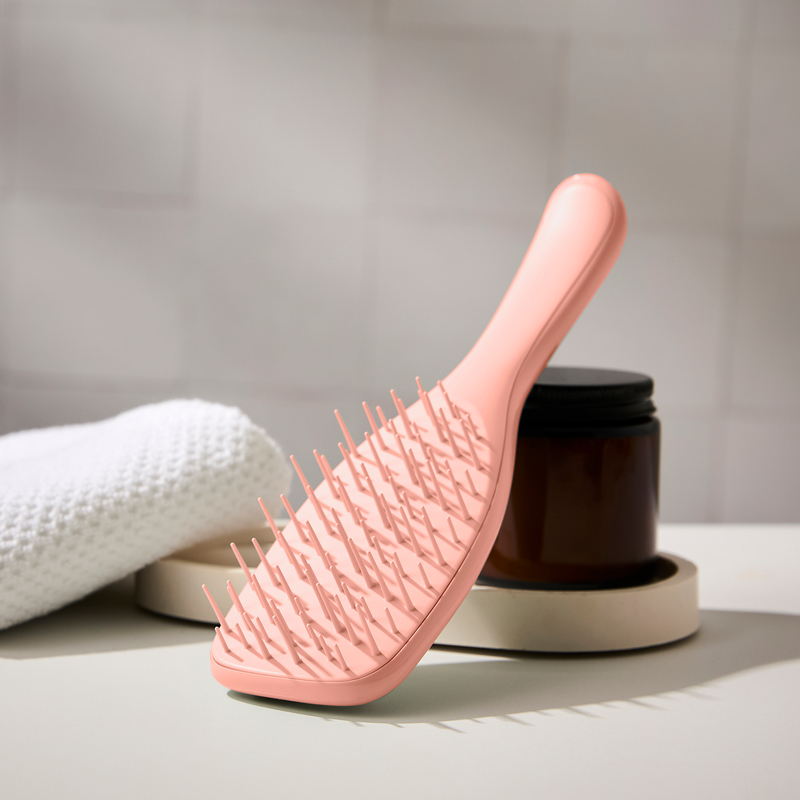
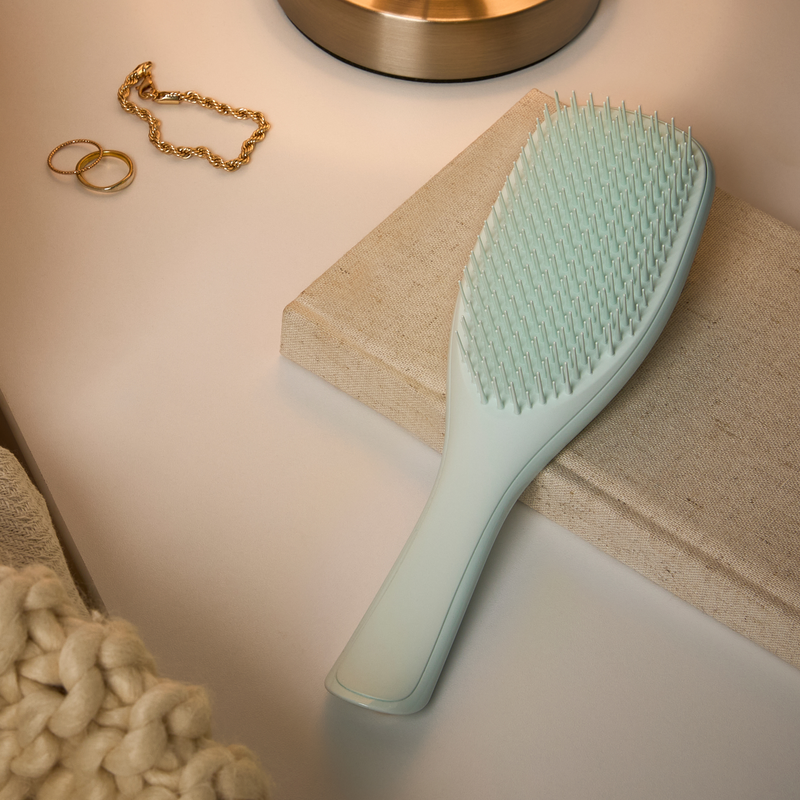
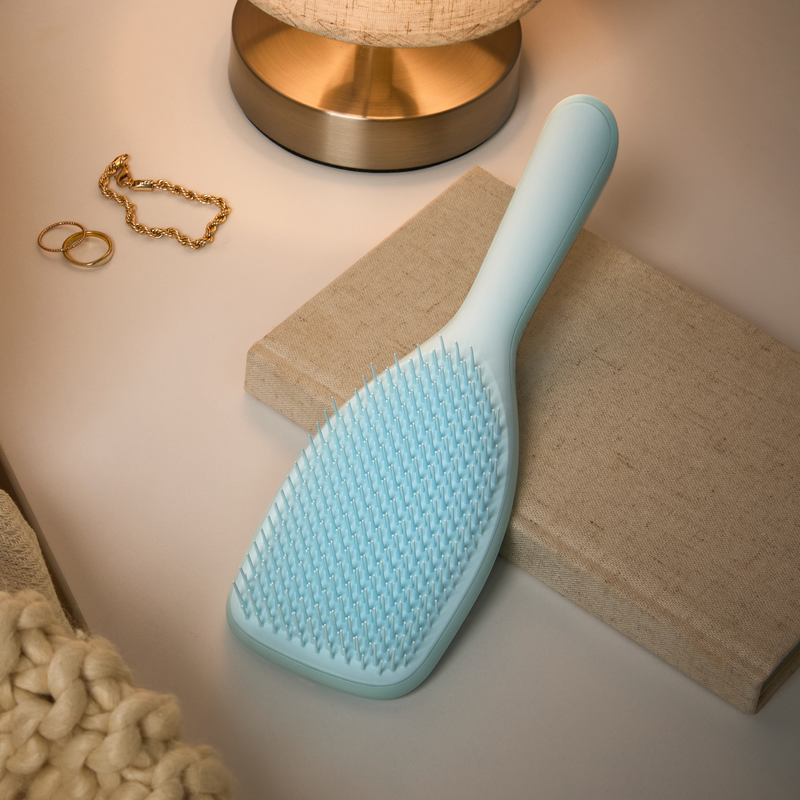
The Ultimate Detangler Extra Gentle
What You Can Do
On the Internal Side
- Speak with your GP if shedding has been excessive for more than a few weeks.
- Ask about bloodwork to check iron, ferritin, vitamin D and zinc levels.
- Share any relevant context: postpartum changes, hormonal shifts, a period of stress or illness. Recovery follows the same six-to-twelve-week lag as the onset, so patience is part of it.
On the External Side
- Detangle from ends to roots, not the other way around.
- Add slip before brushing wet hair. Conditioner or a mask reduces friction.
- Reduce tension where you can during periods when hair is already stressed.
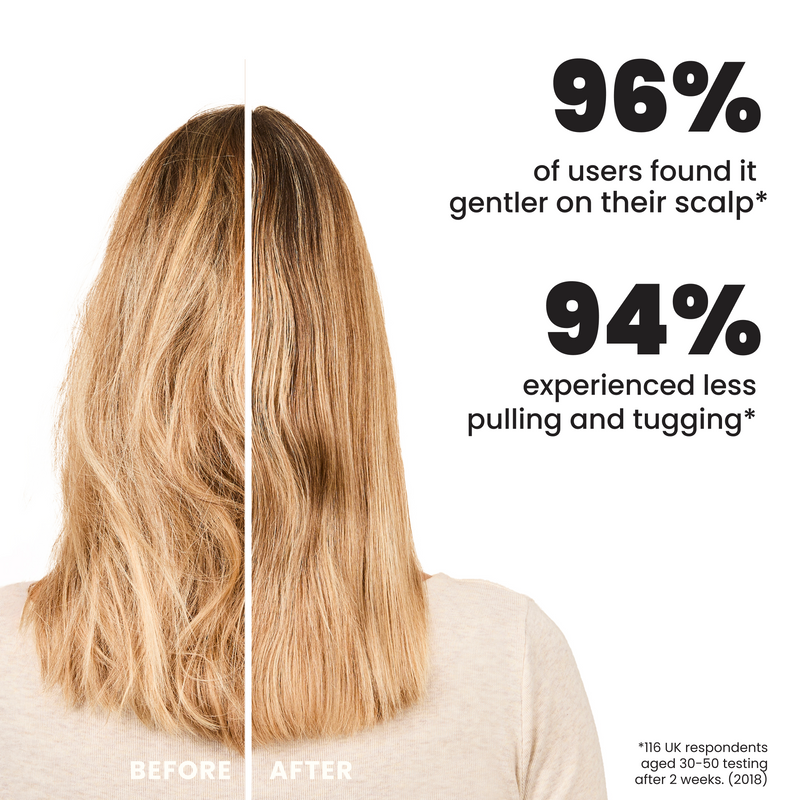
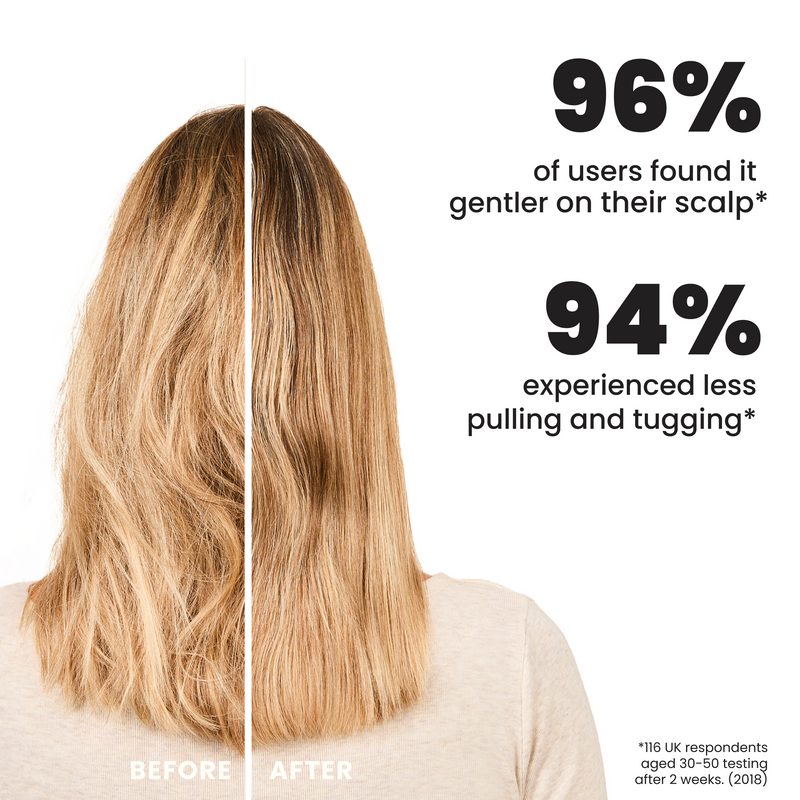
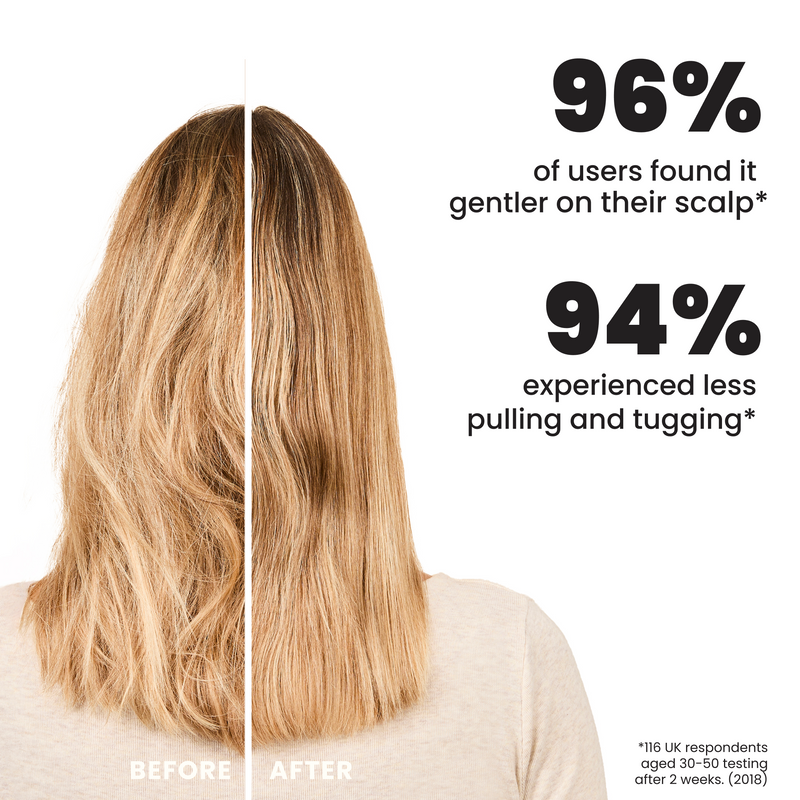
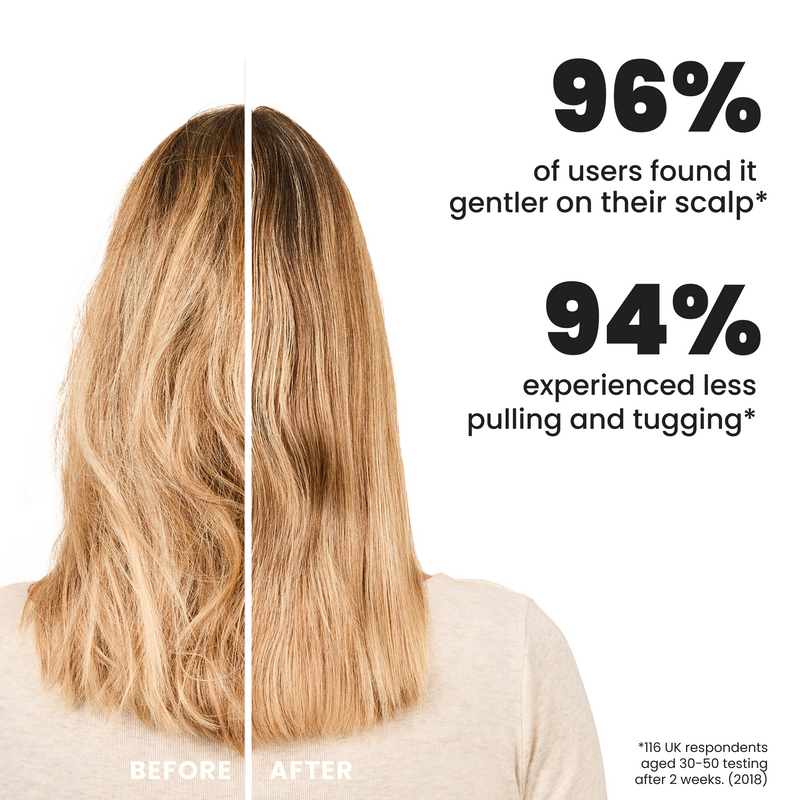
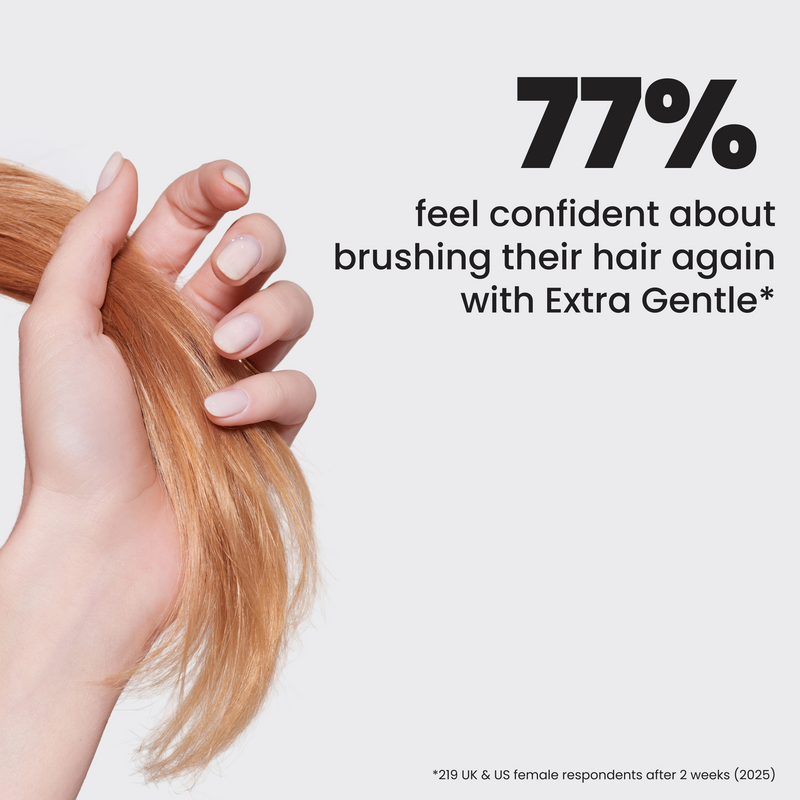
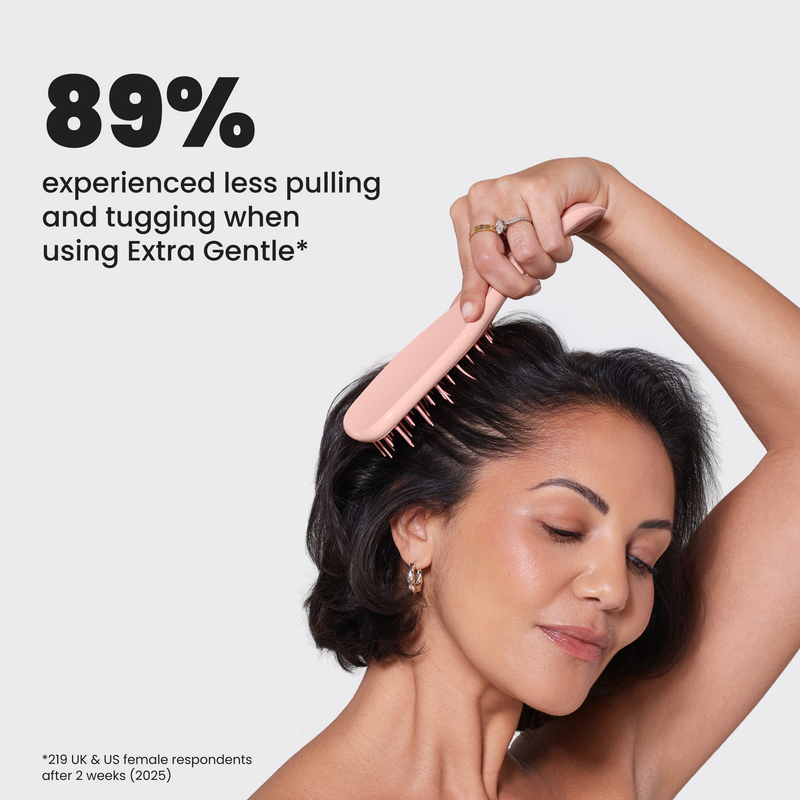
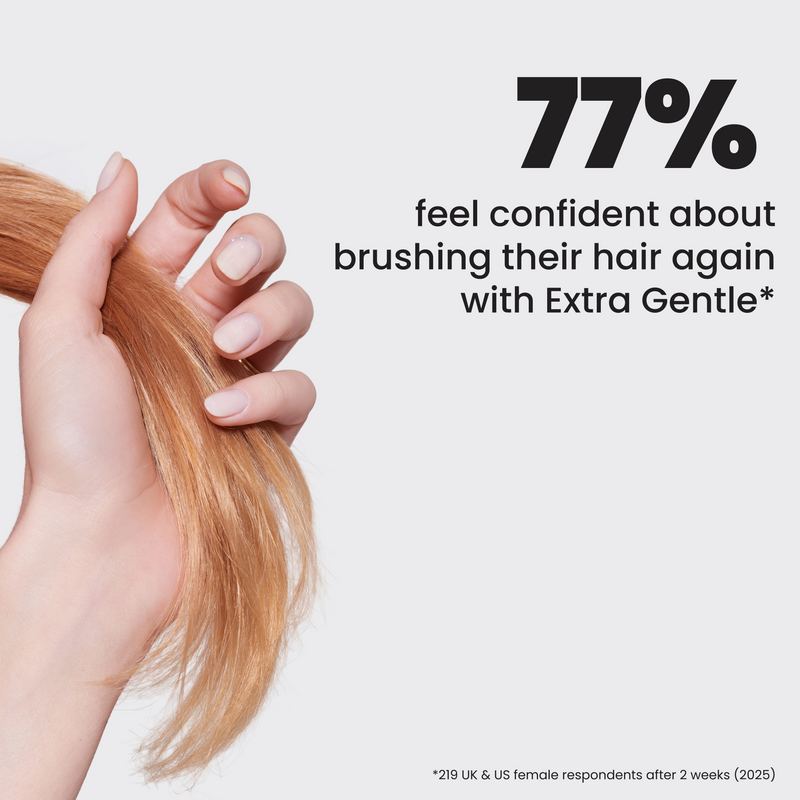
- Switch to a brush designed for fragile hair. The Tangle Teezer Extra Gentle reduces traction and friction on every pass, which protects the strands still in the growth phase.
If your hair is going through a difficult period, the internal work takes time. The external work is something you can act on today. Starting with the right brush is a small change that affects your hair every single day.
This guide should not be considered a substitute for medical information. For personalised hair care and medical advice, consult your GP or dermatologist.
The Ultimate Detangler Extra Gentle
£15.00