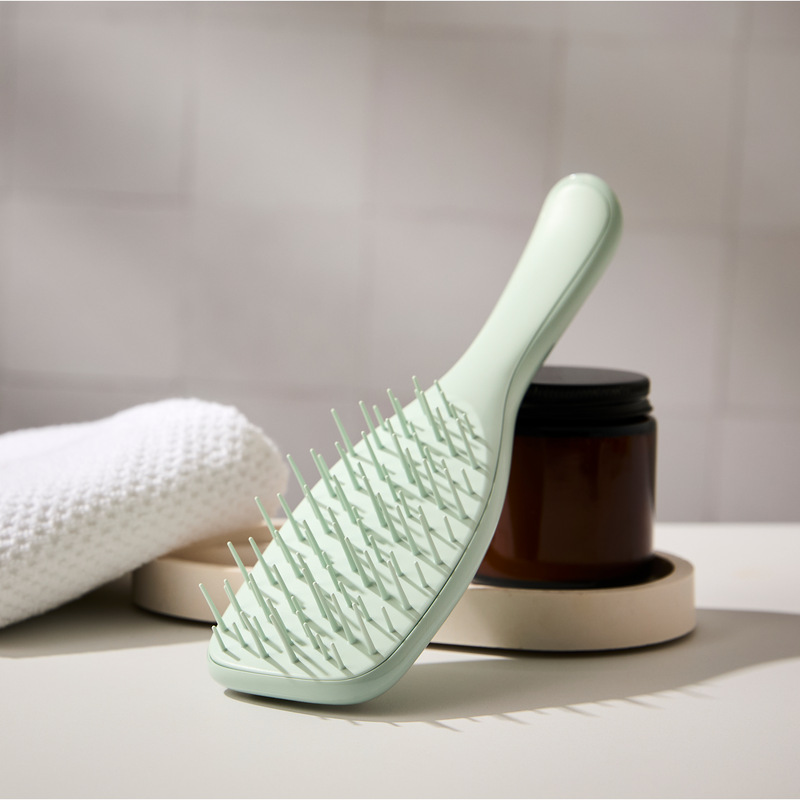
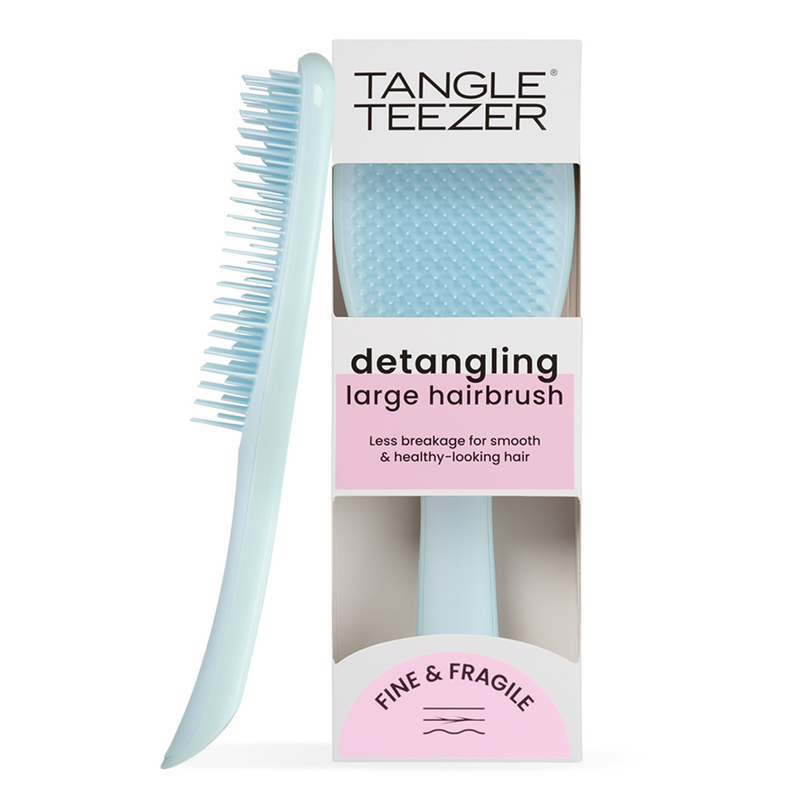
Finding the Best Hairbrush for Increased Hair Fall
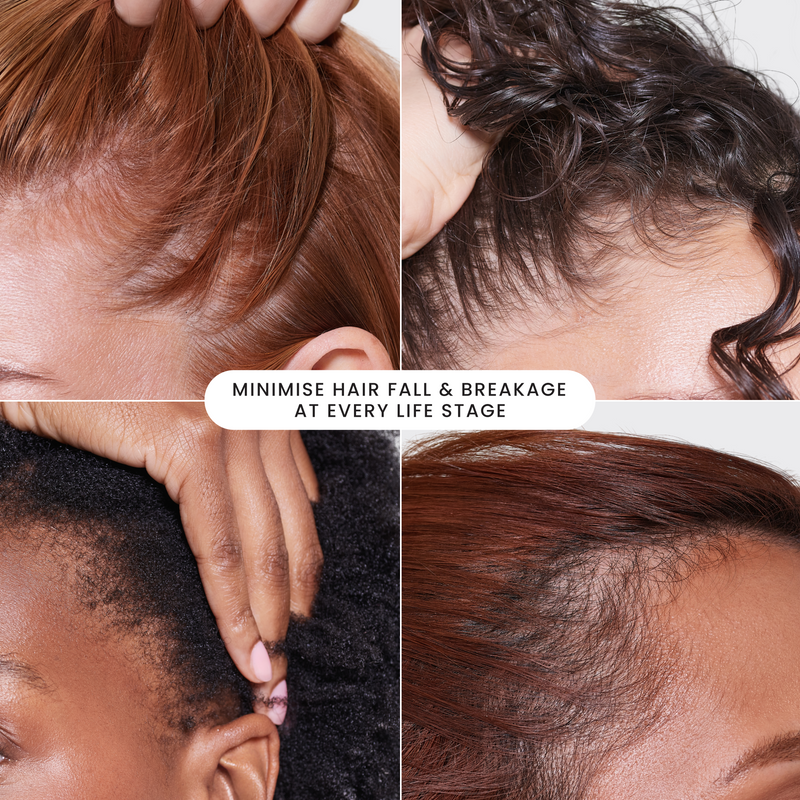
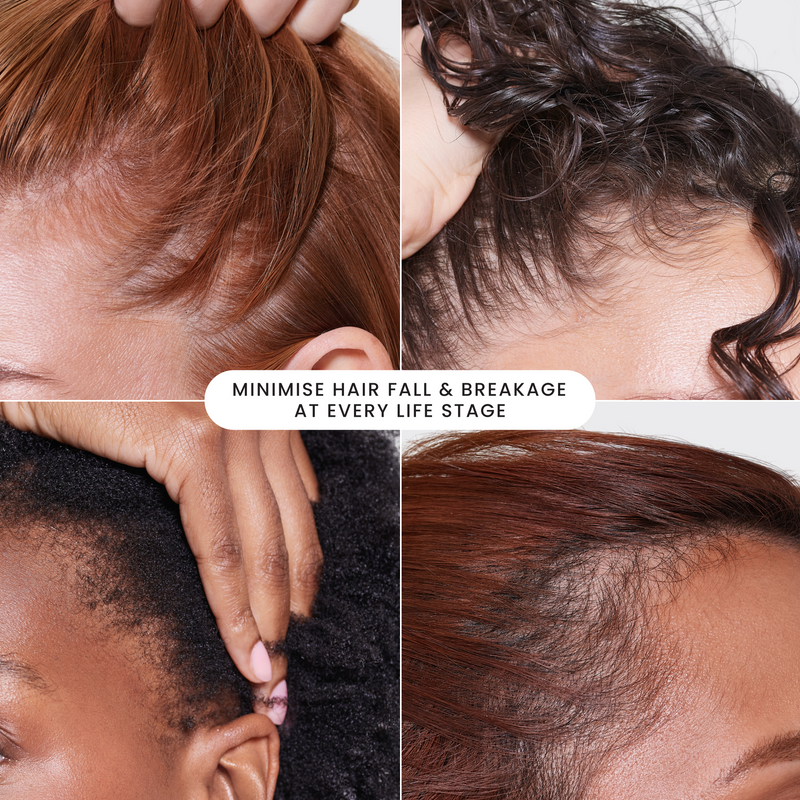
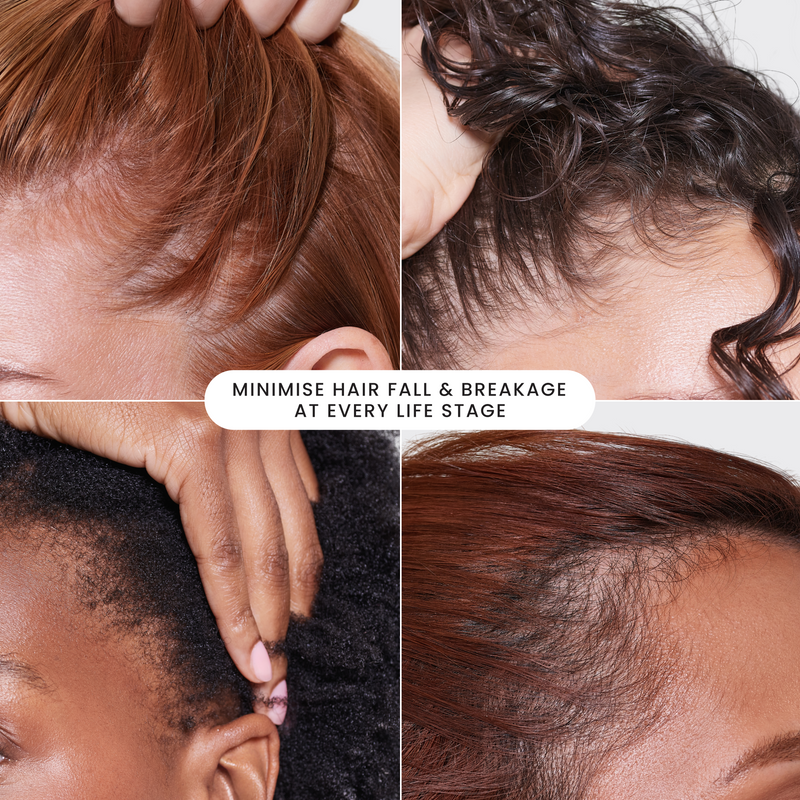
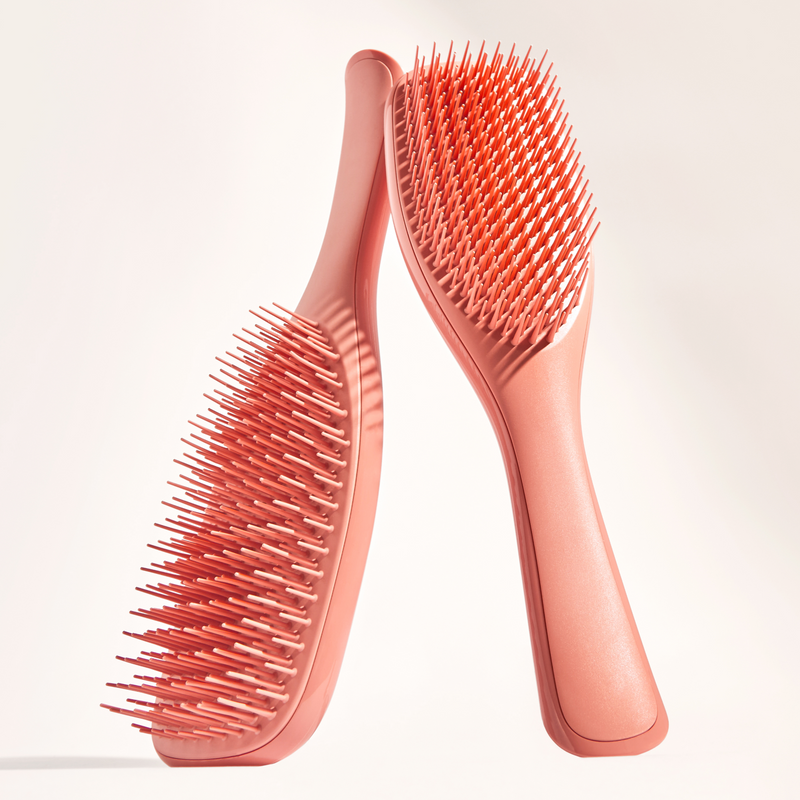
If your hair feels thinner than it used to, or you're noticing strands left behind after brushing, this collection was designed with you in mind. Each brush addresses thinning hair from a different angle: extra gentle detangling, finer teeth for fragile lengths, or scalp care that supports healthier-looking hair from the root. The result is a brushing routine that works with thinning hair, not against it.
How to Brush Thinning Hair Without Adding to the Damage
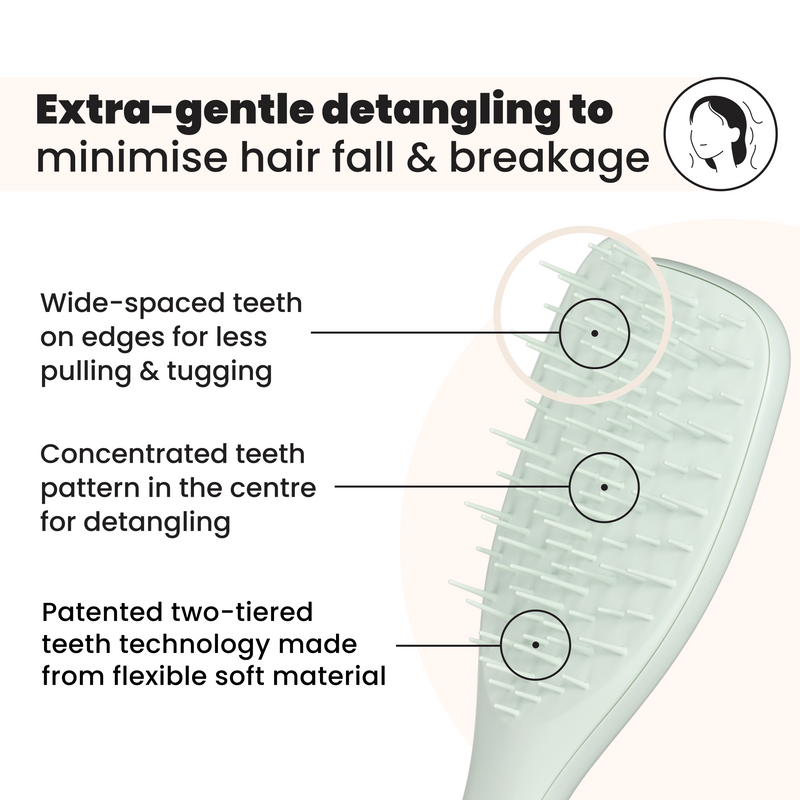
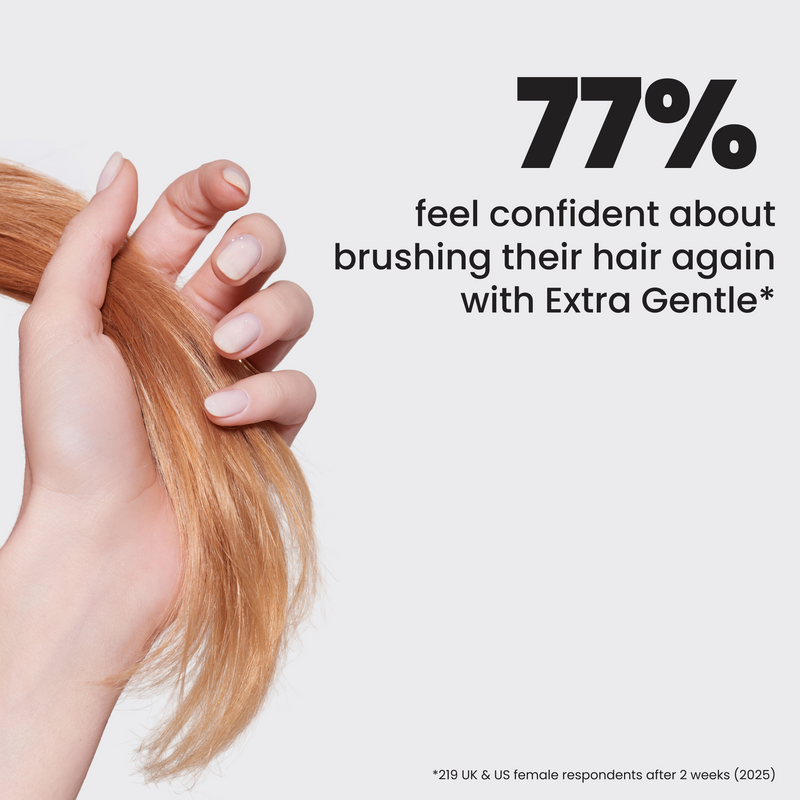
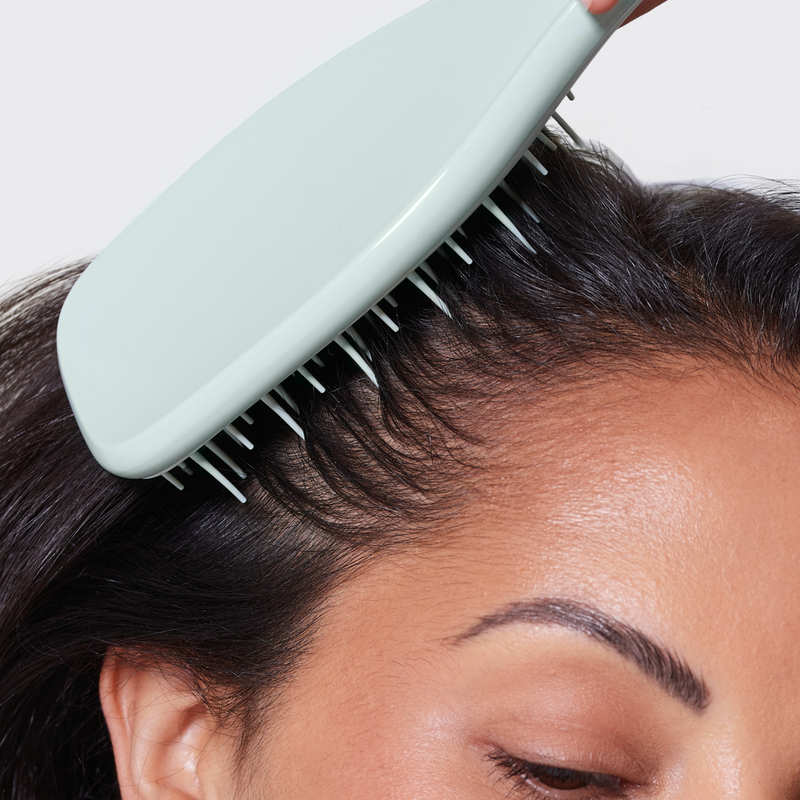
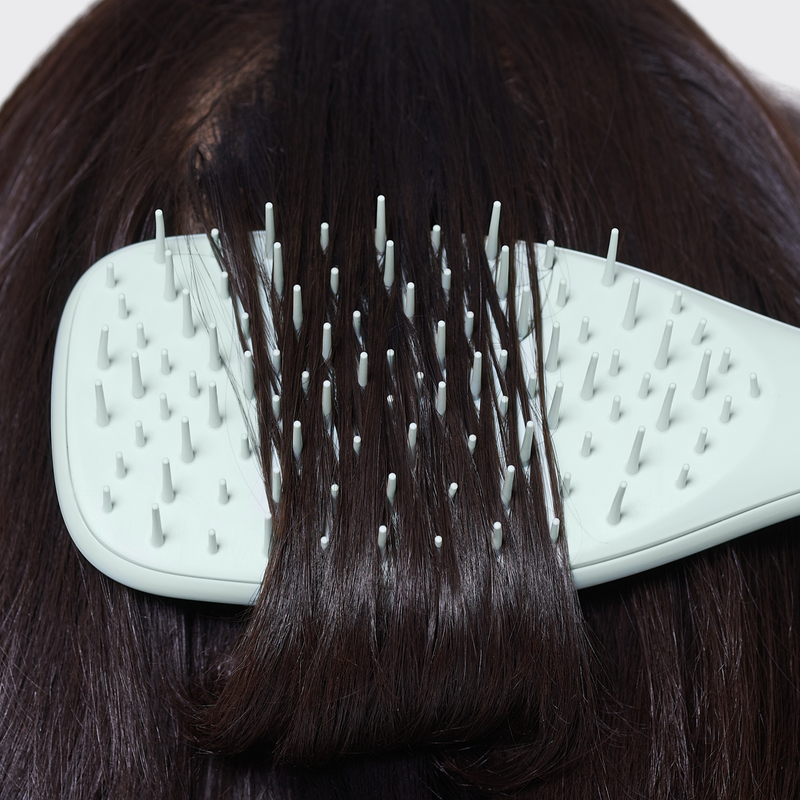
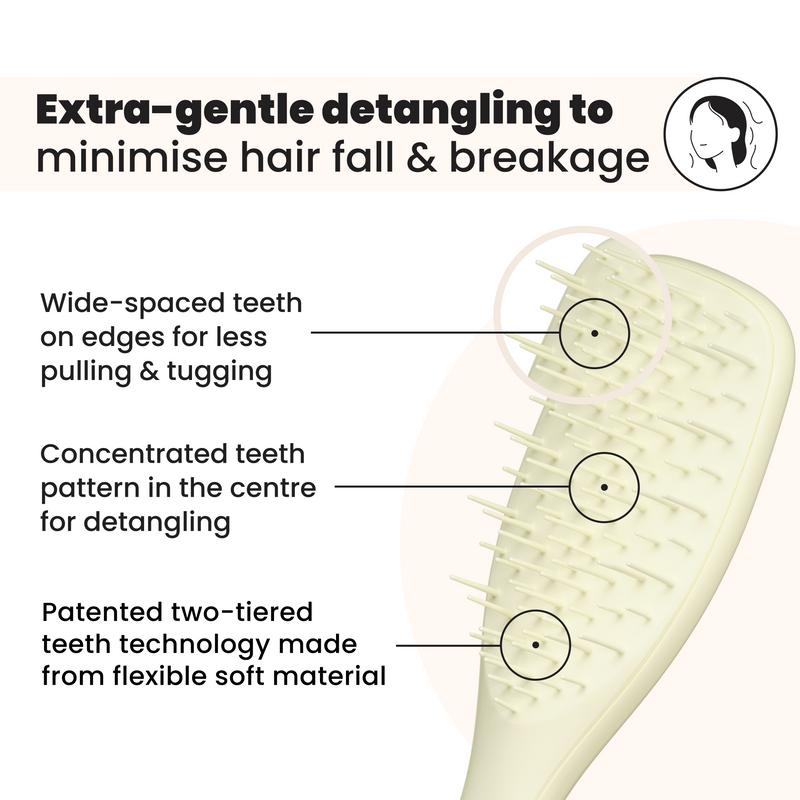
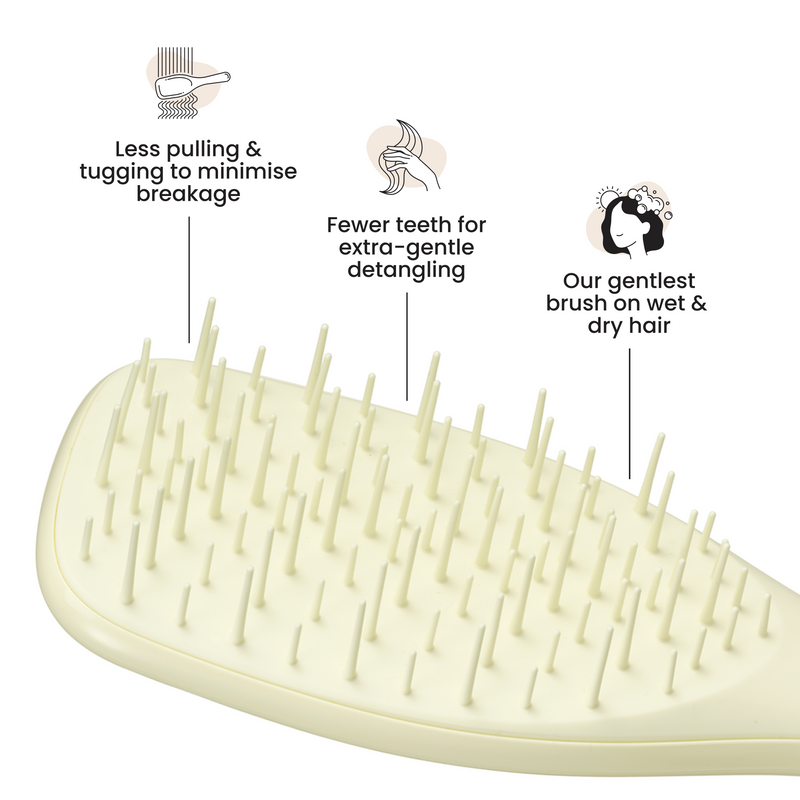
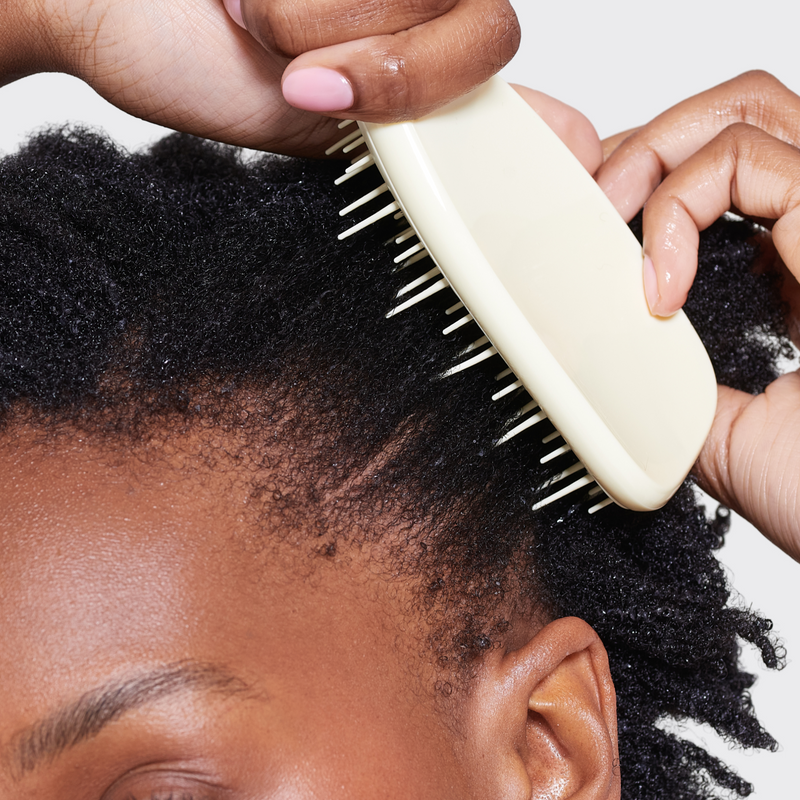
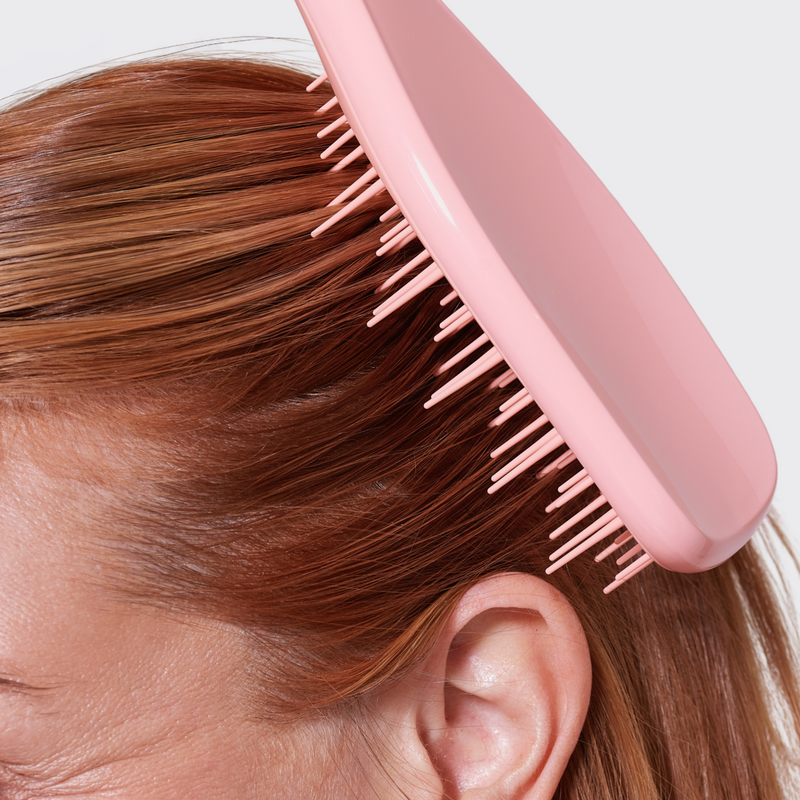
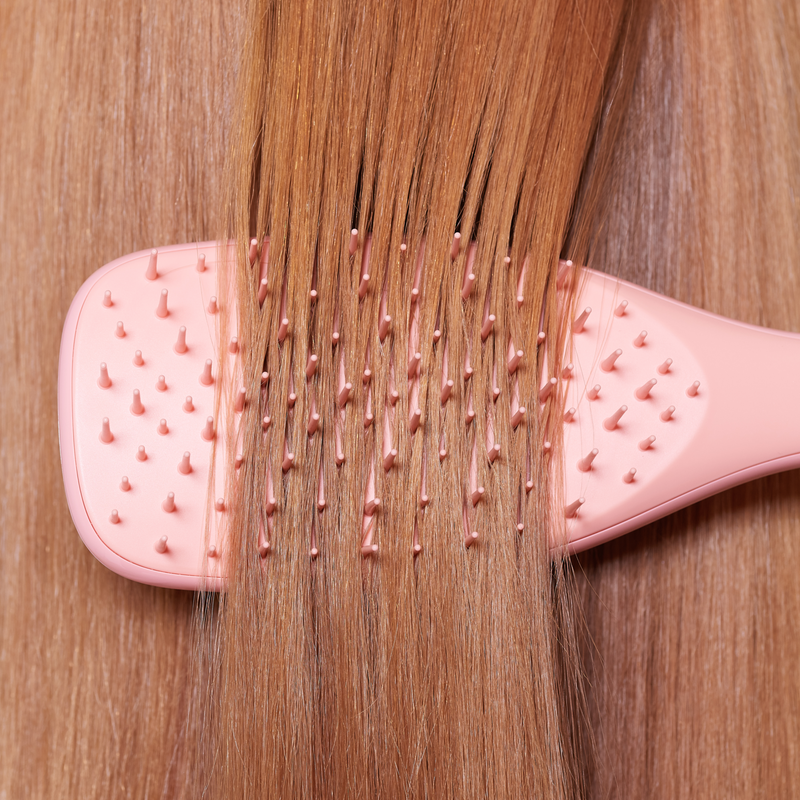
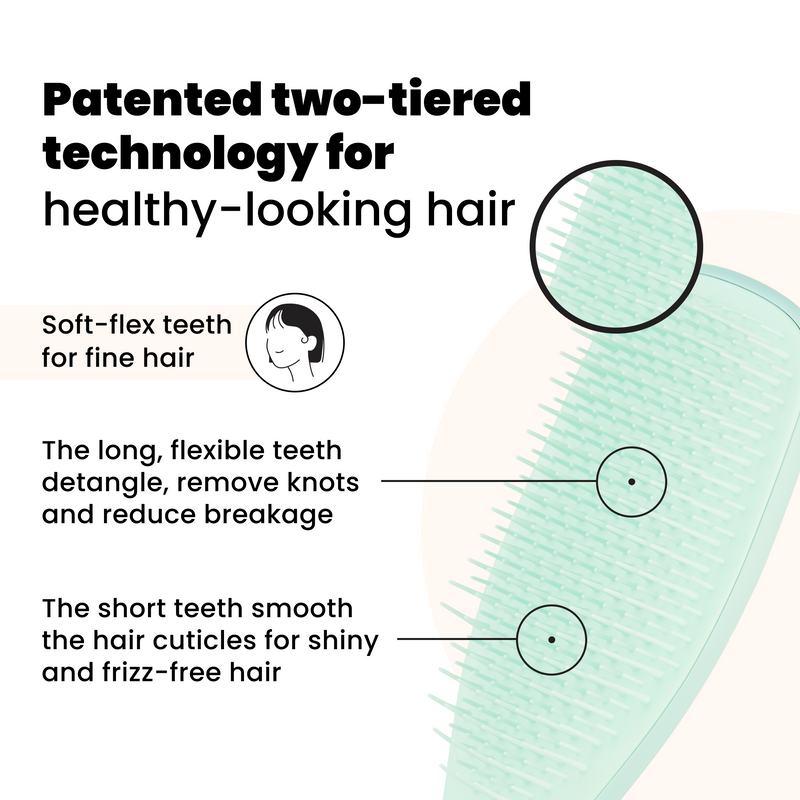
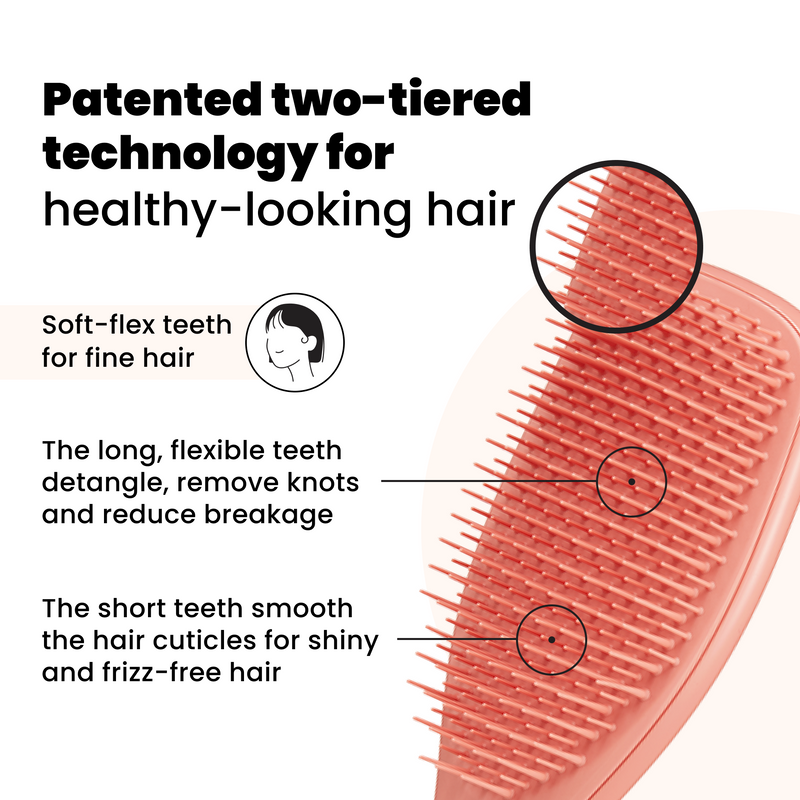
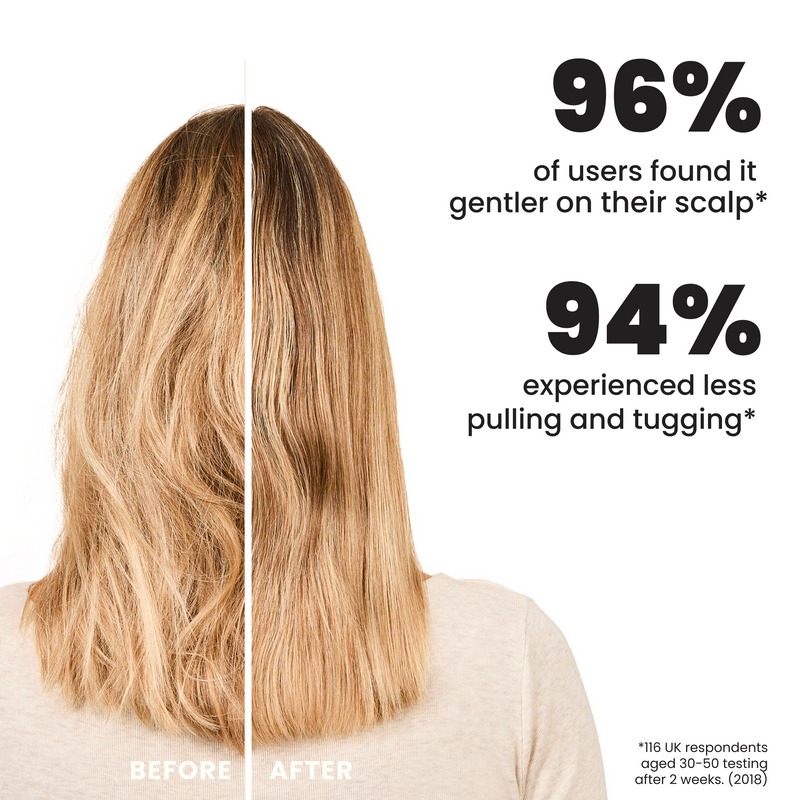
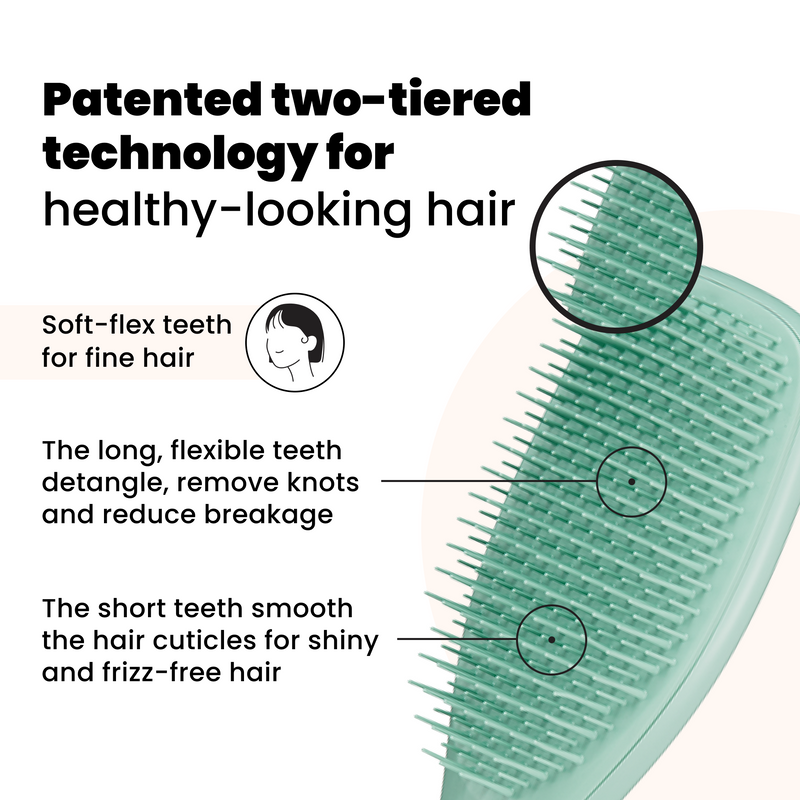
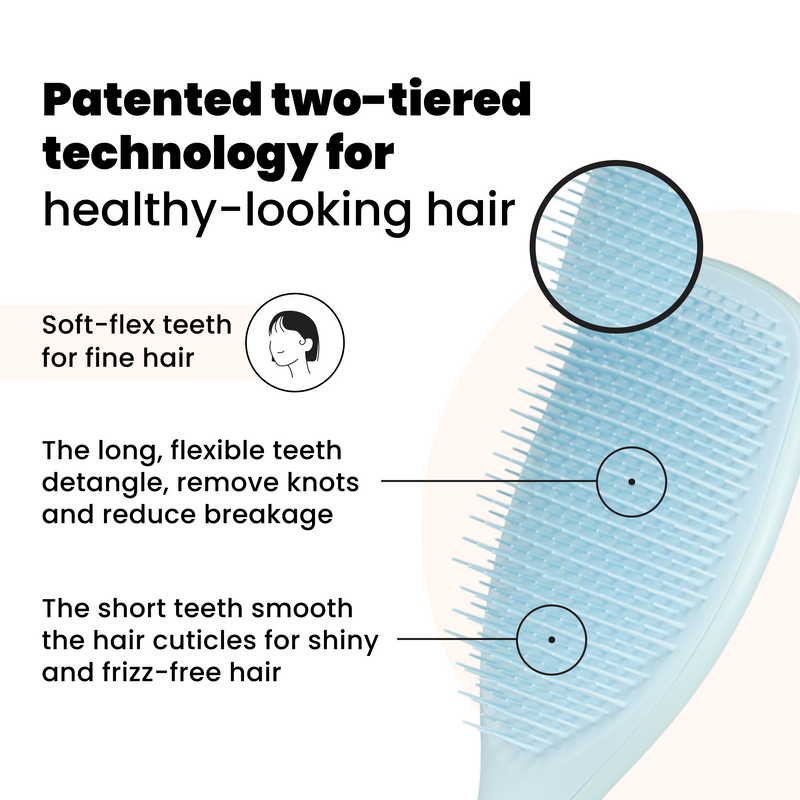
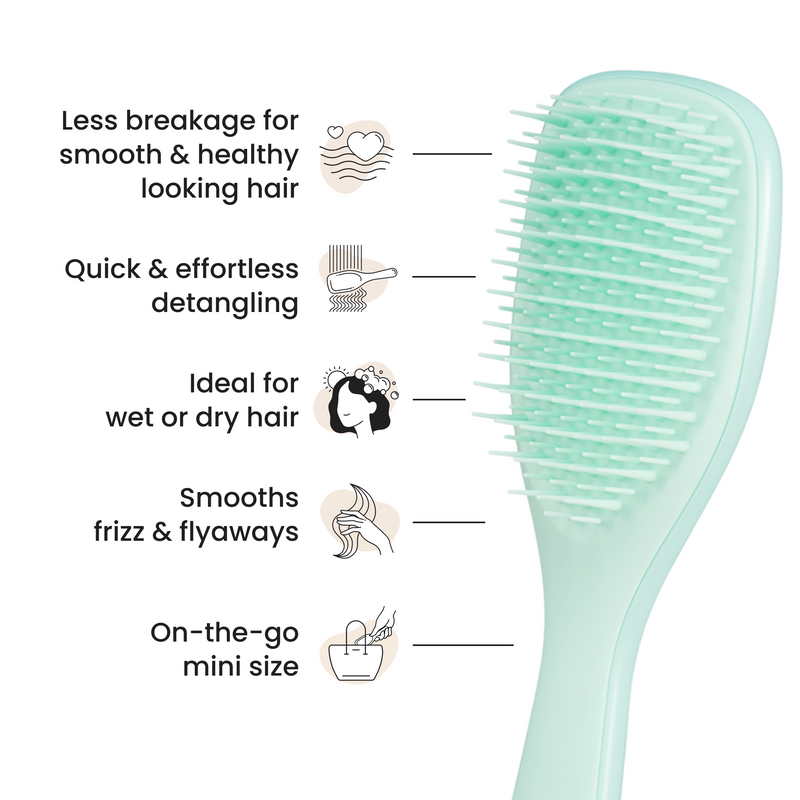
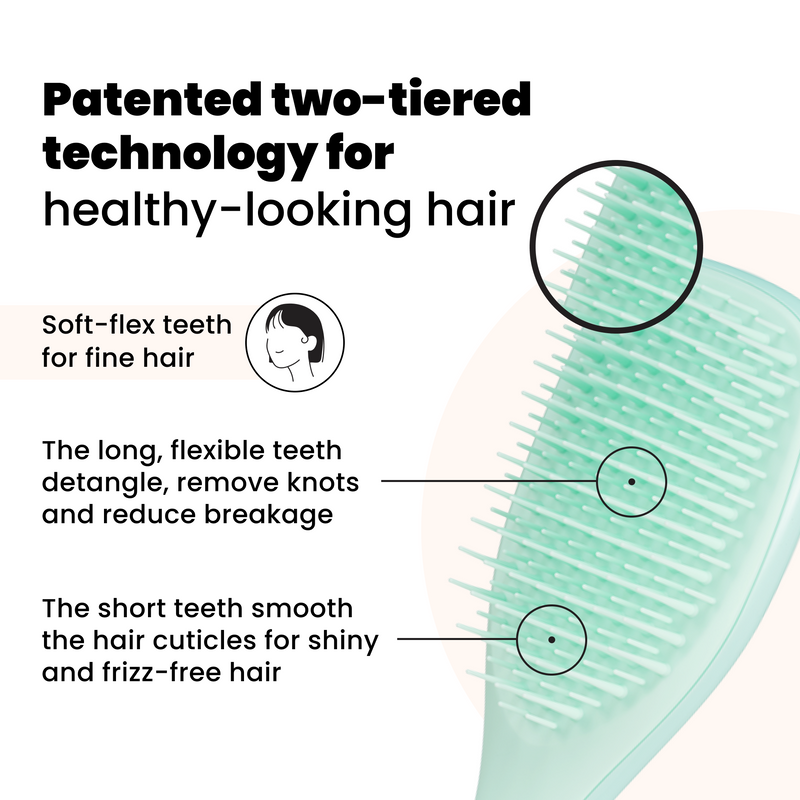
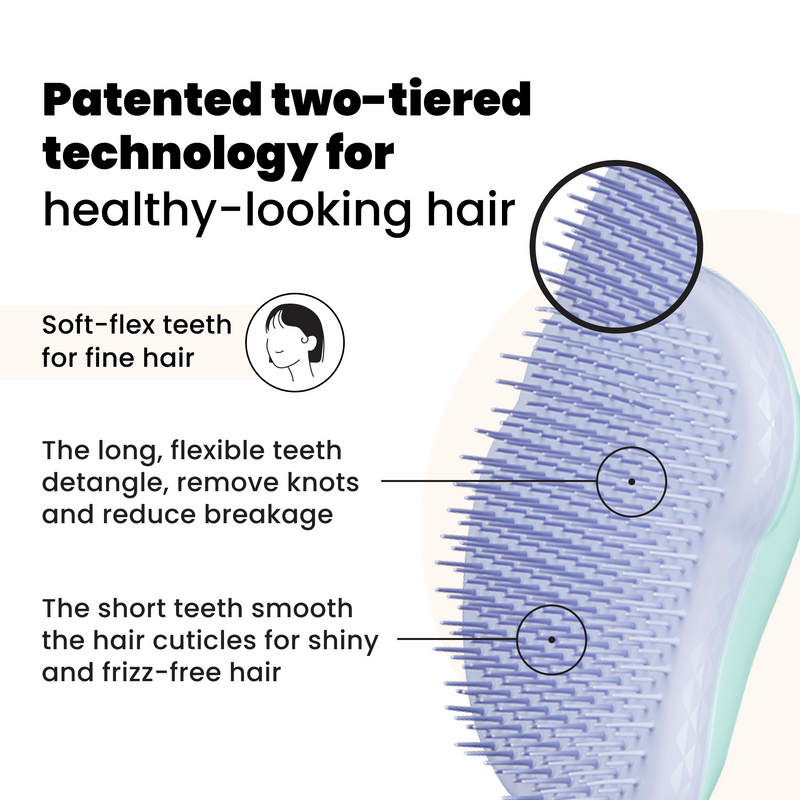
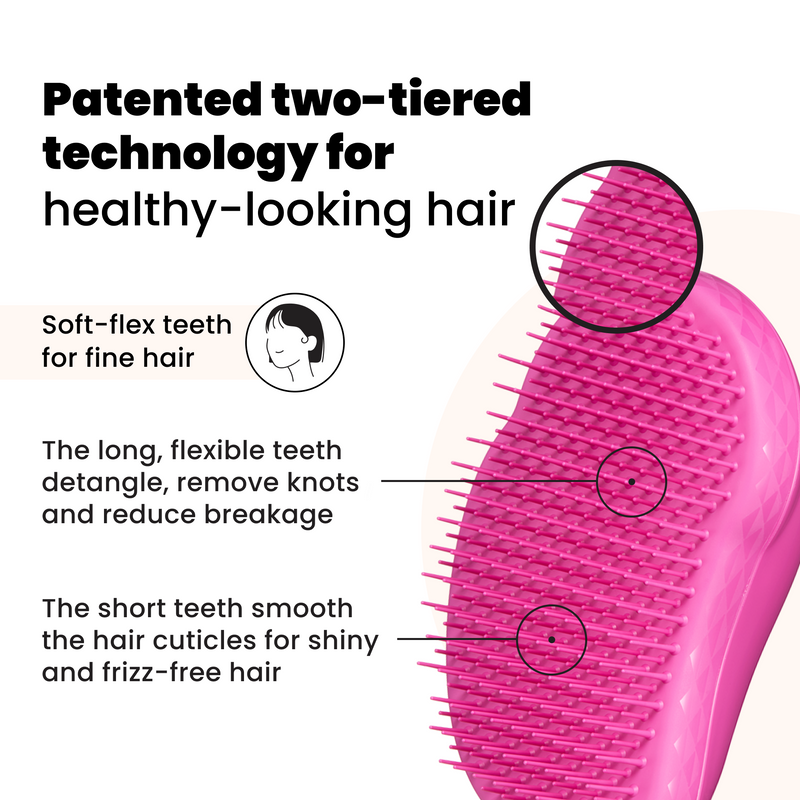
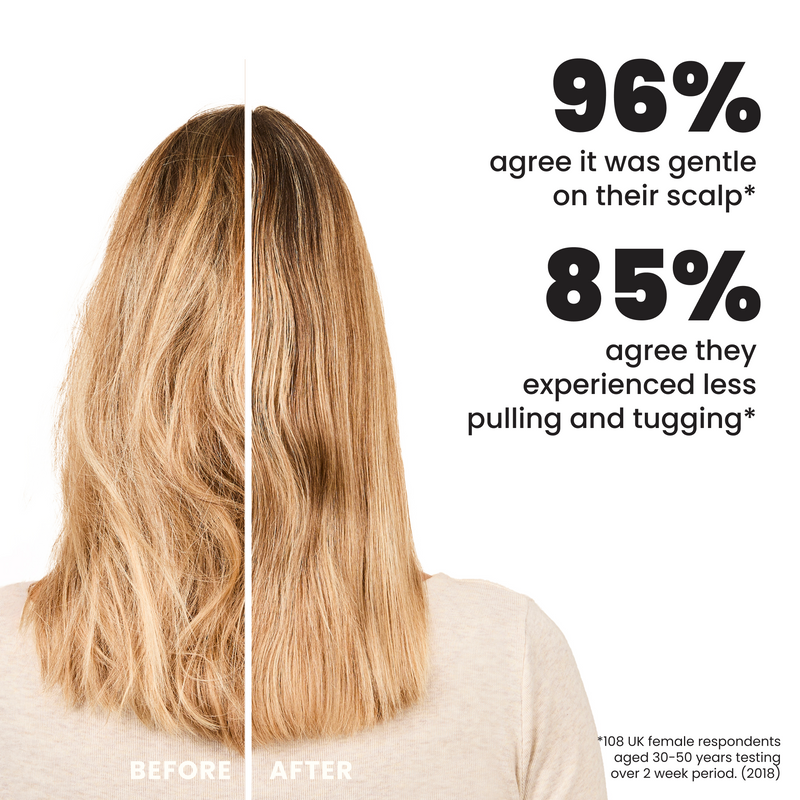
When hair is thinning or fragile, the last thing it needs is extra pulling and tugging.The two-tier, flexible teeth found across our Extra Gentle range have wider gaps between the teeth meaning fewer strands are caught at once, so each stroke pulls less and breaks less. For most people, switching brush technique matters as much as switching brush type: shorter, gentler strokes from the ends, working your way up can reduce strain on weakened strands.
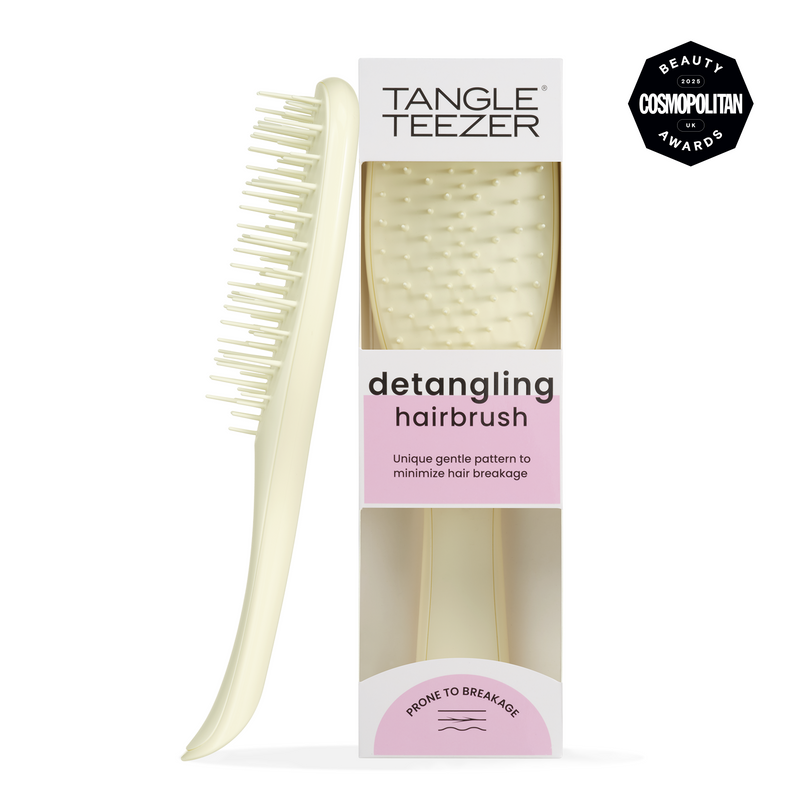
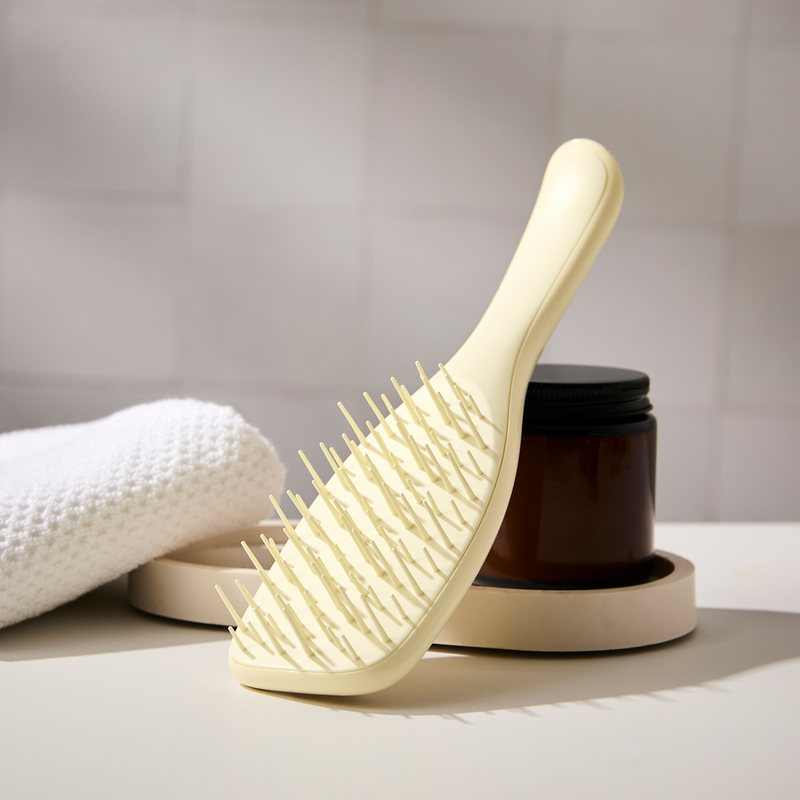
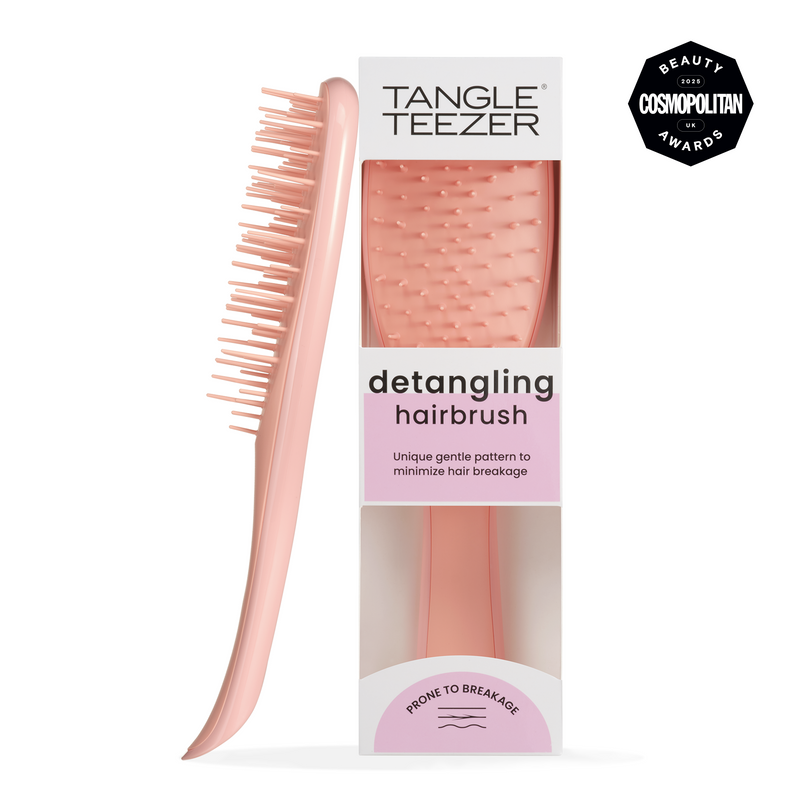
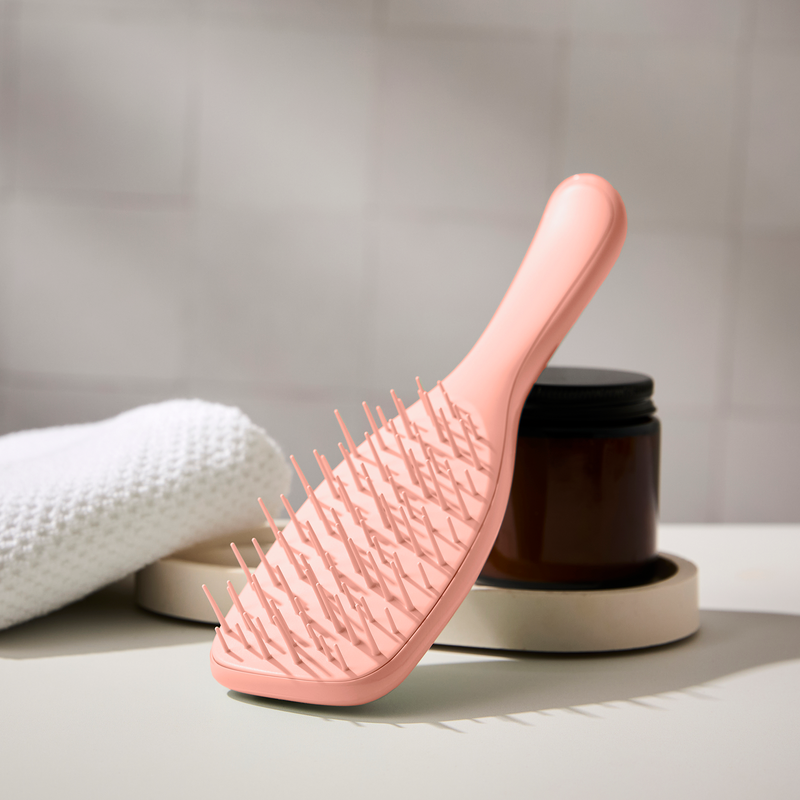
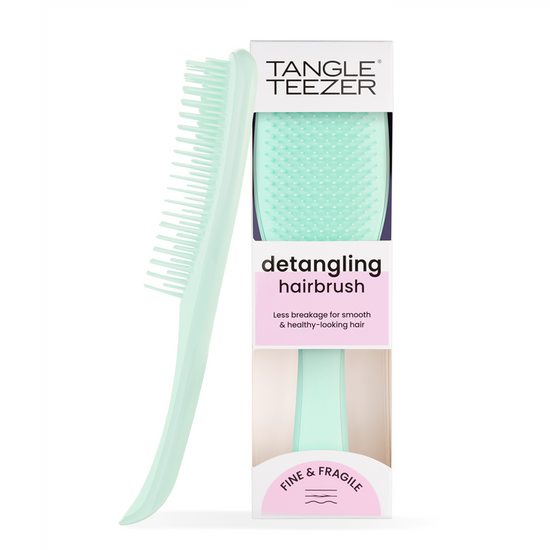
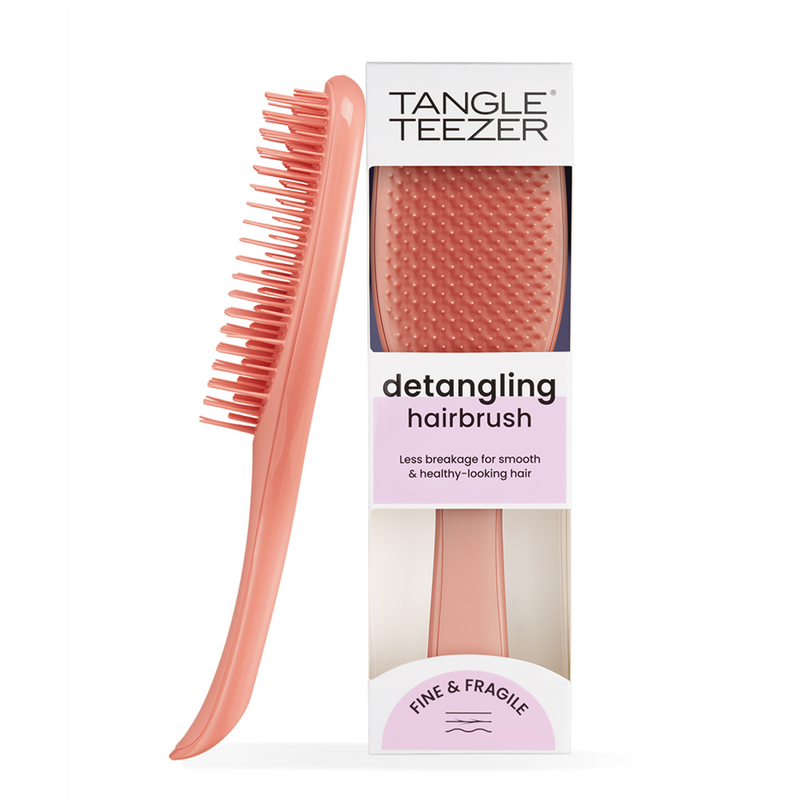
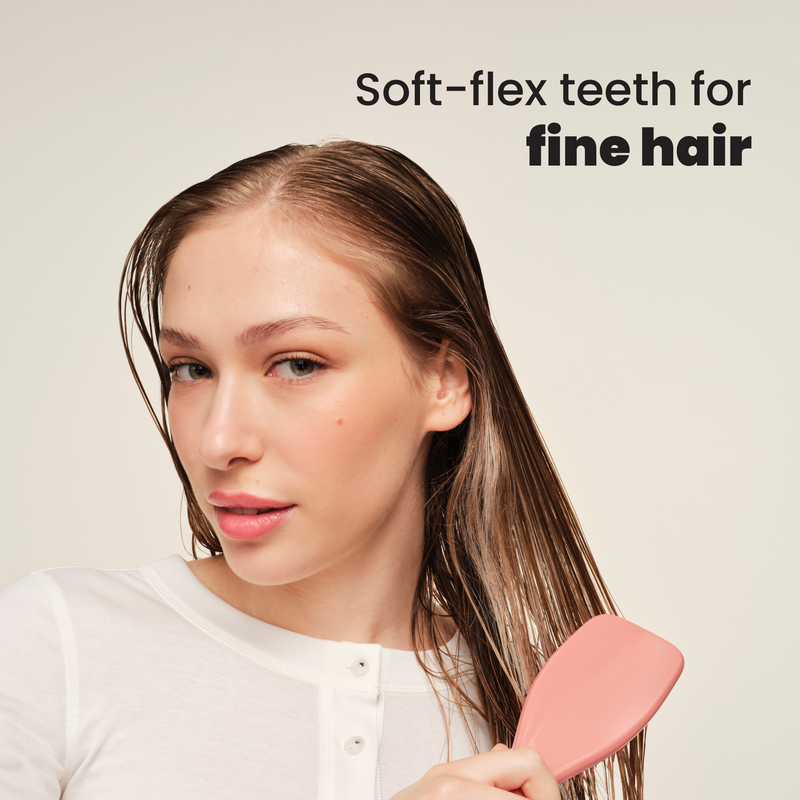
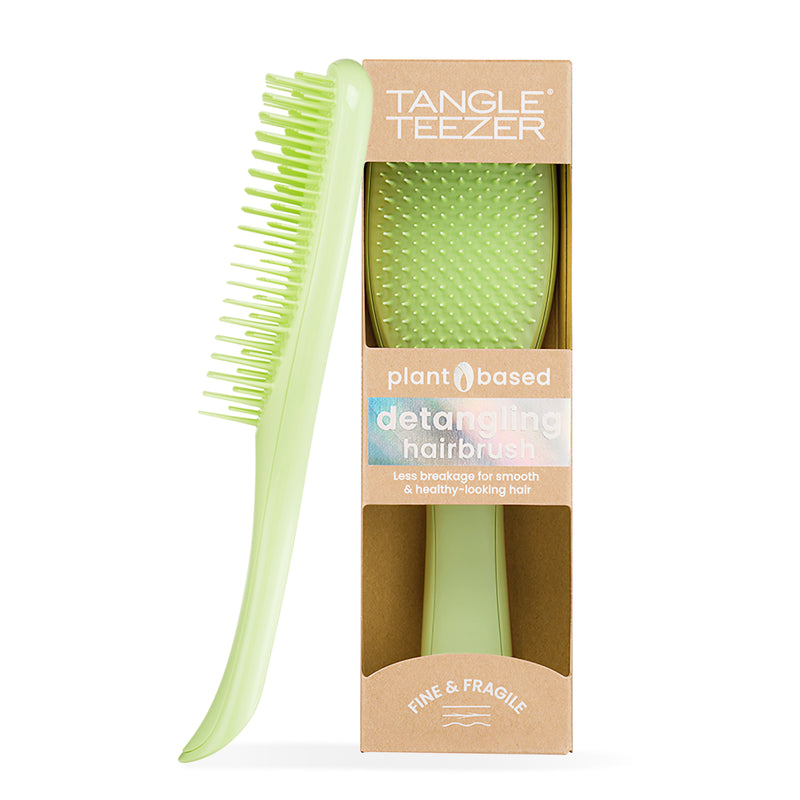
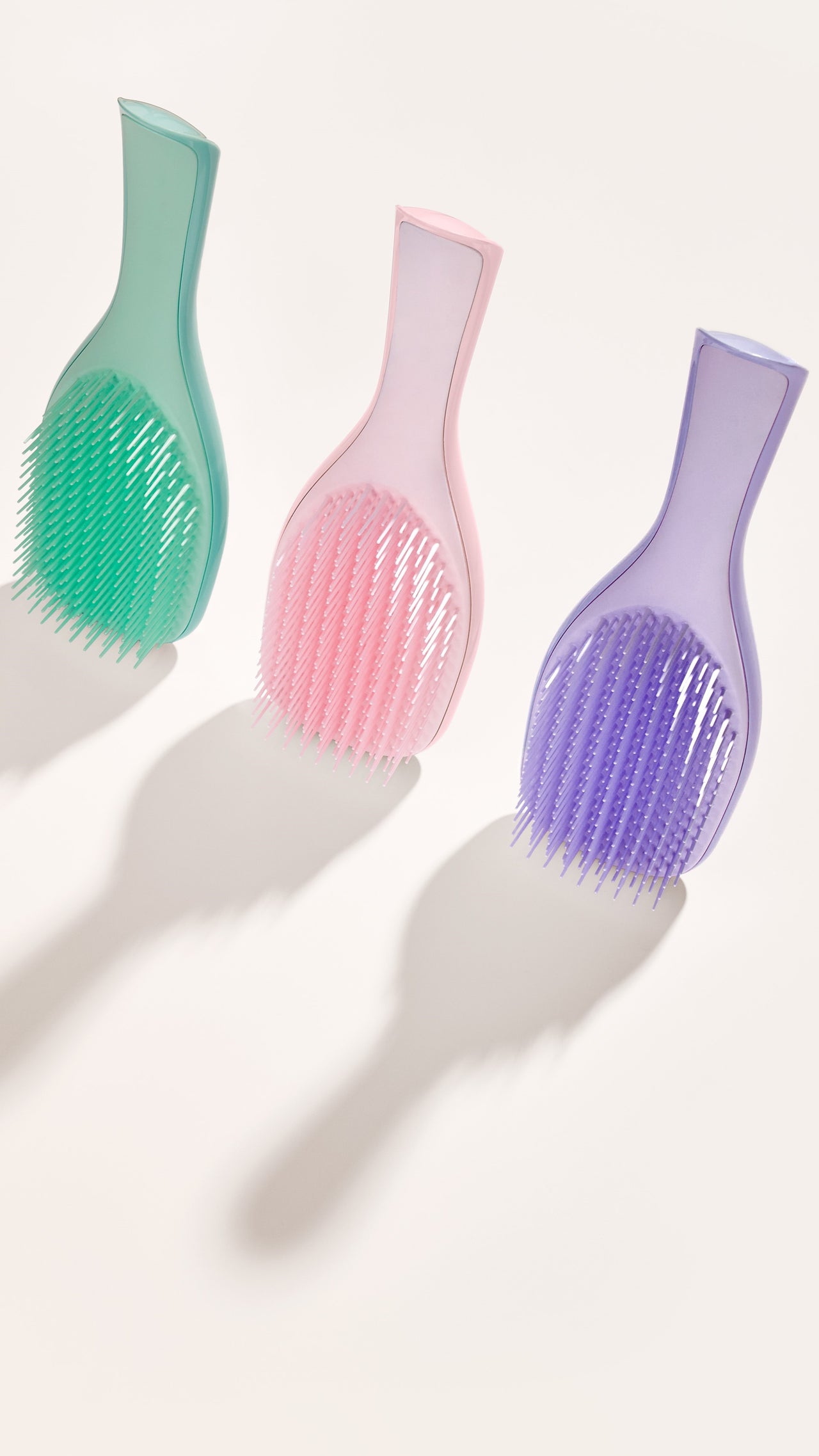
- Brushing wet, extra-fragile hair: start at the ends first with The Ultimate Detangler™ Extra Gentle and gently work your way upwards.
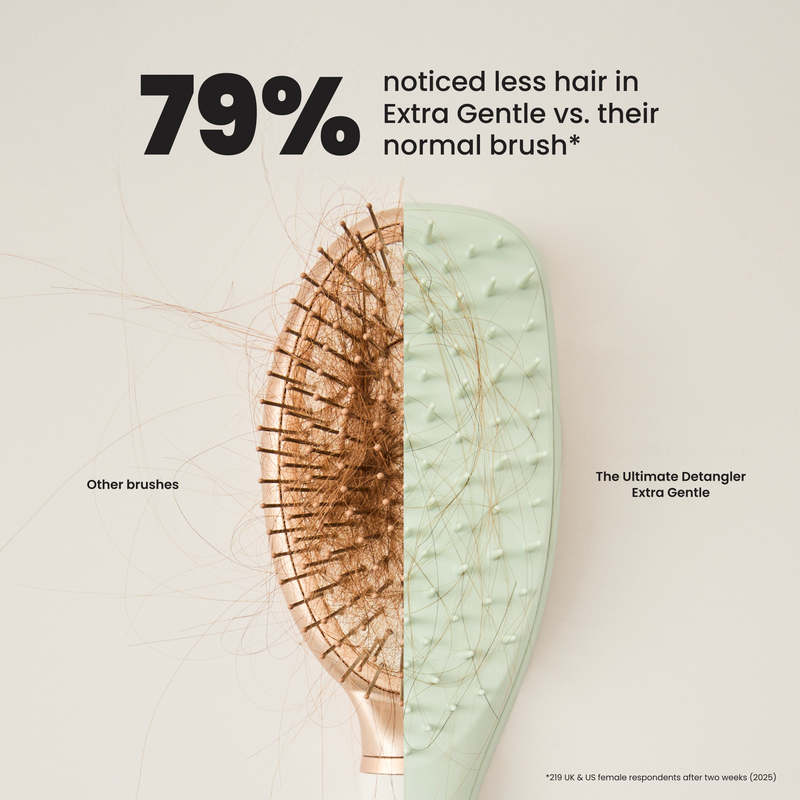
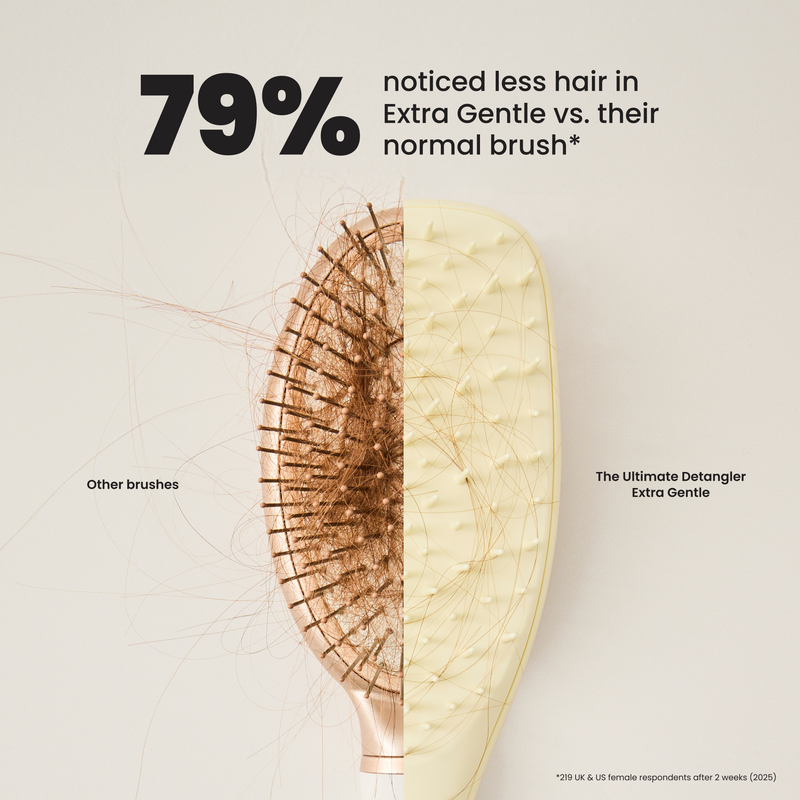
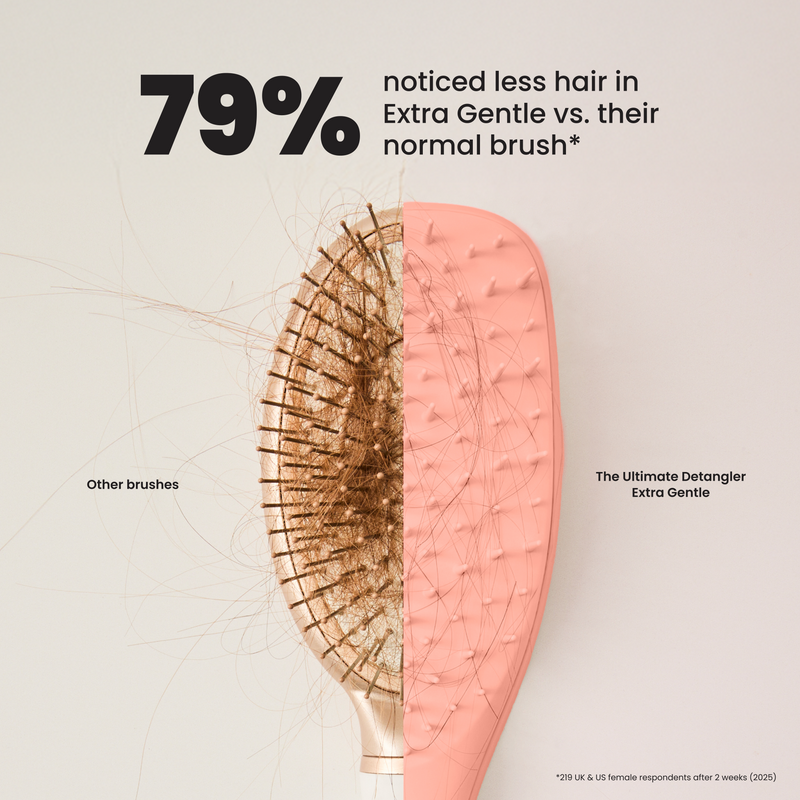
- Noticing more hair in your brush: wider-spaced teeth catch fewer strands per stroke.
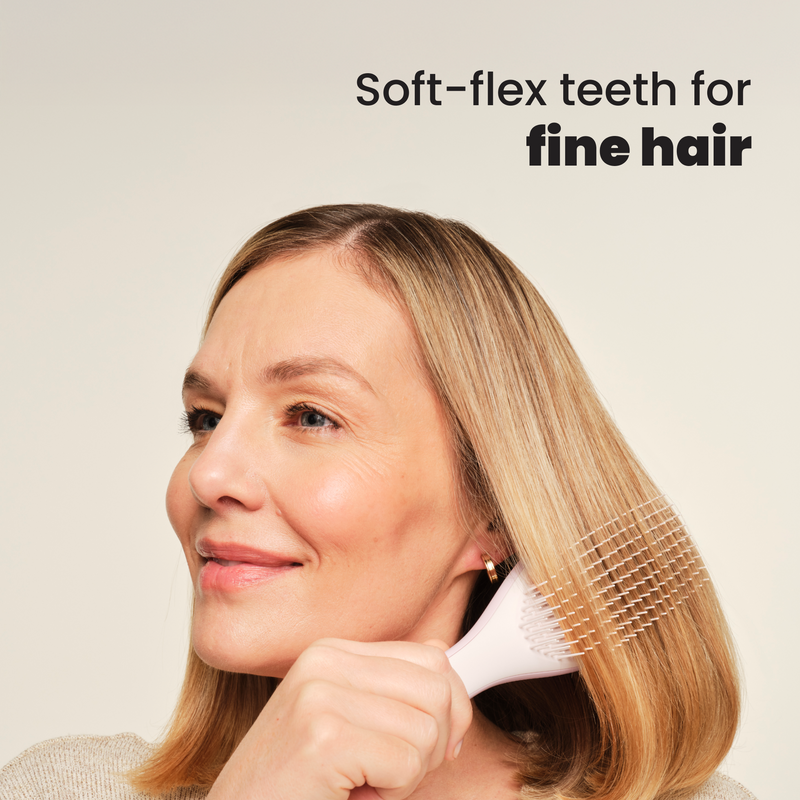
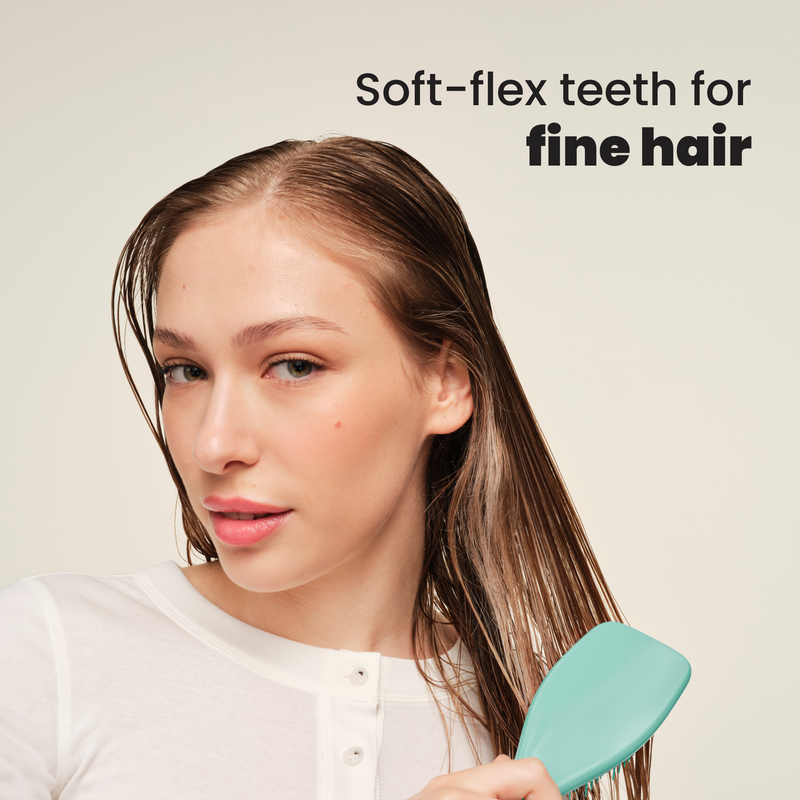
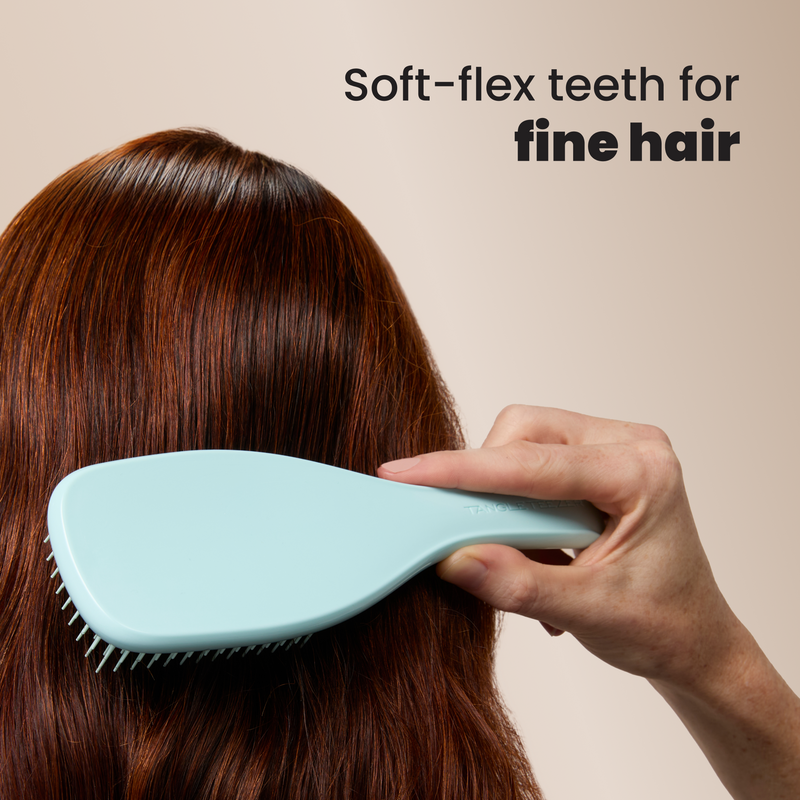
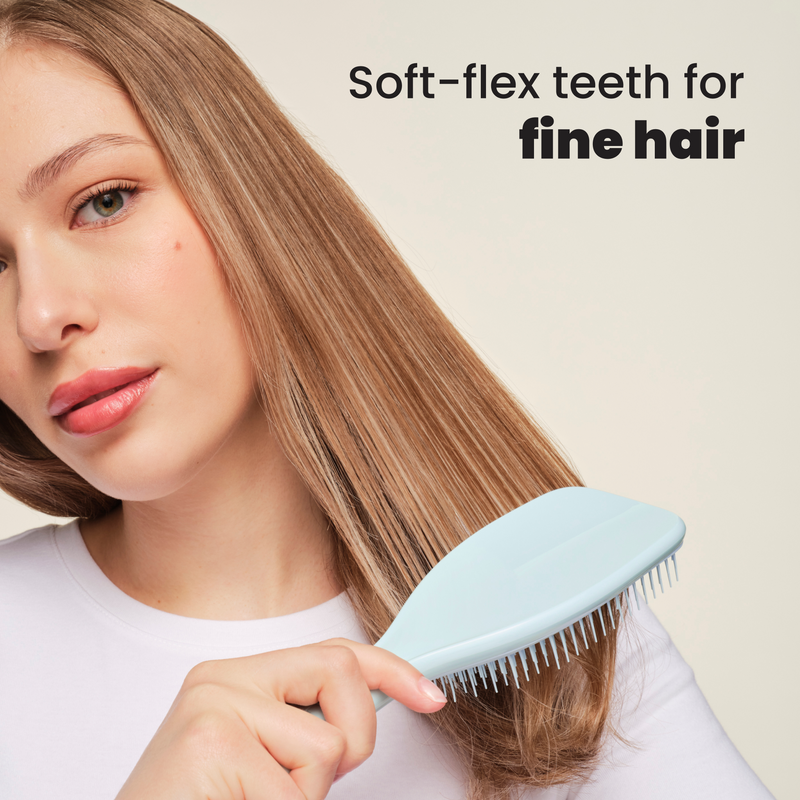
- Styling breakage prone or fragile hair: the teeth on Extra Gentle give delicate strands a softer touch.
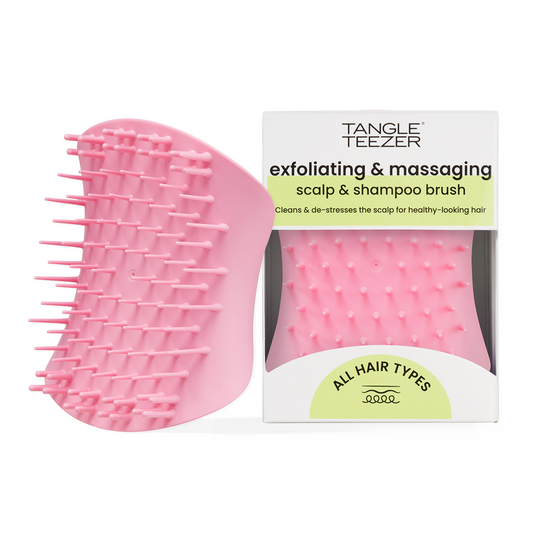
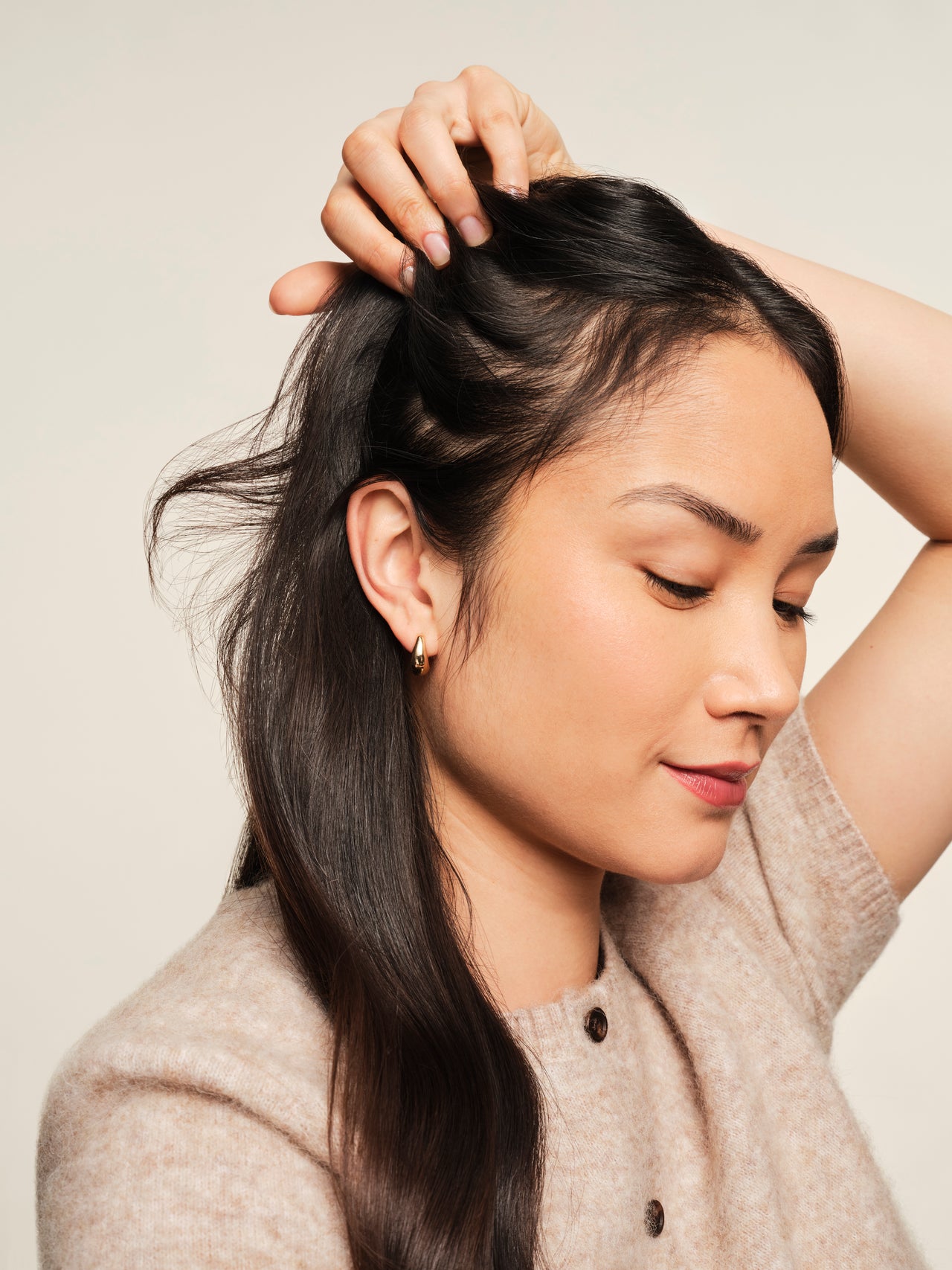
- Caring for the scalp: regular use of the Scalp Exfoliator & Massager keeps the scalp stimulated, supporting new hair growth.
How to Choose the Right Brush for Thinning Hair
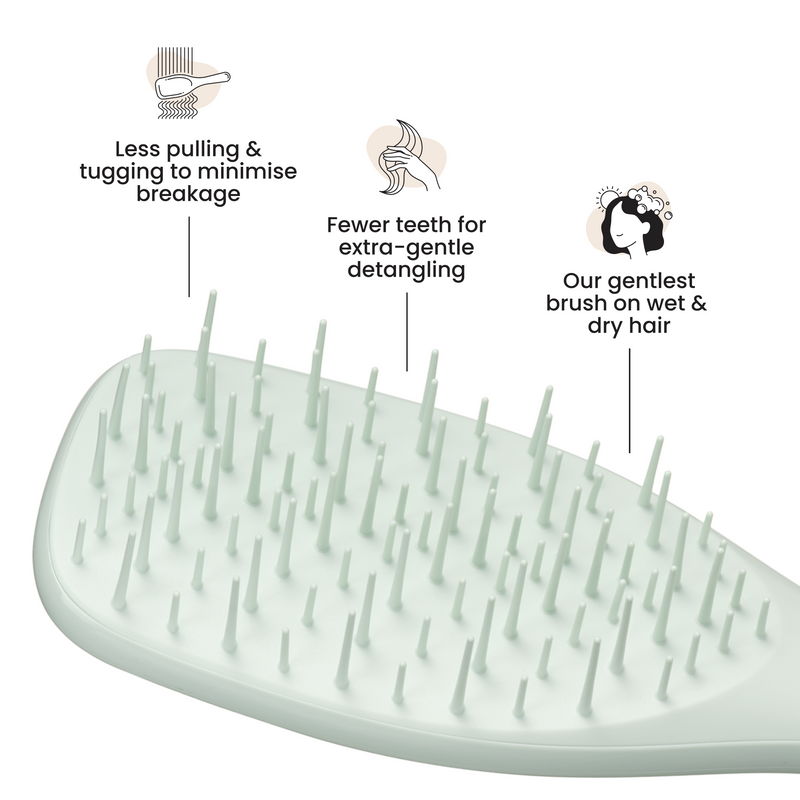
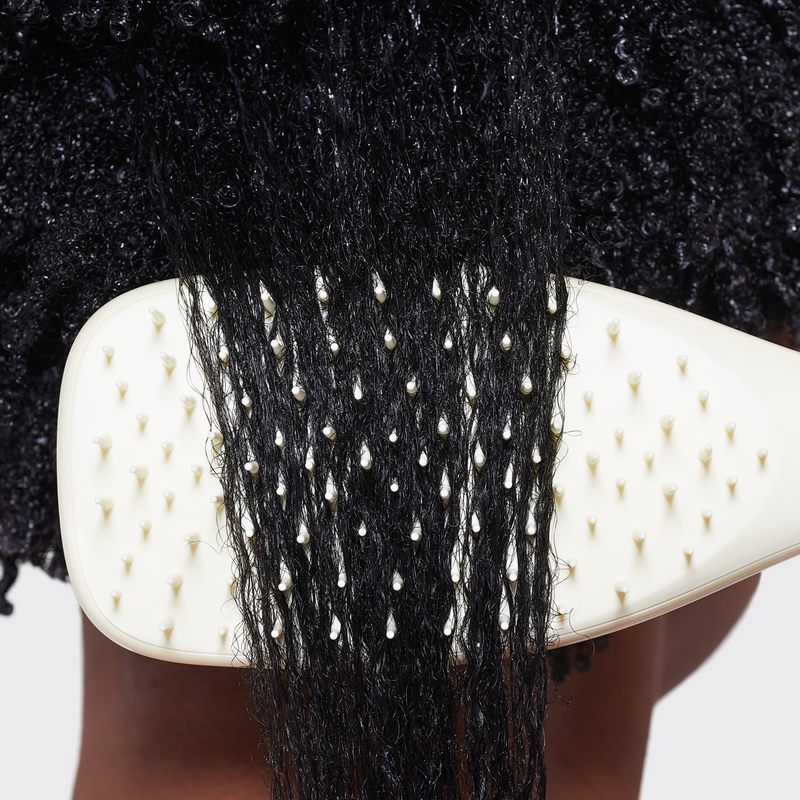
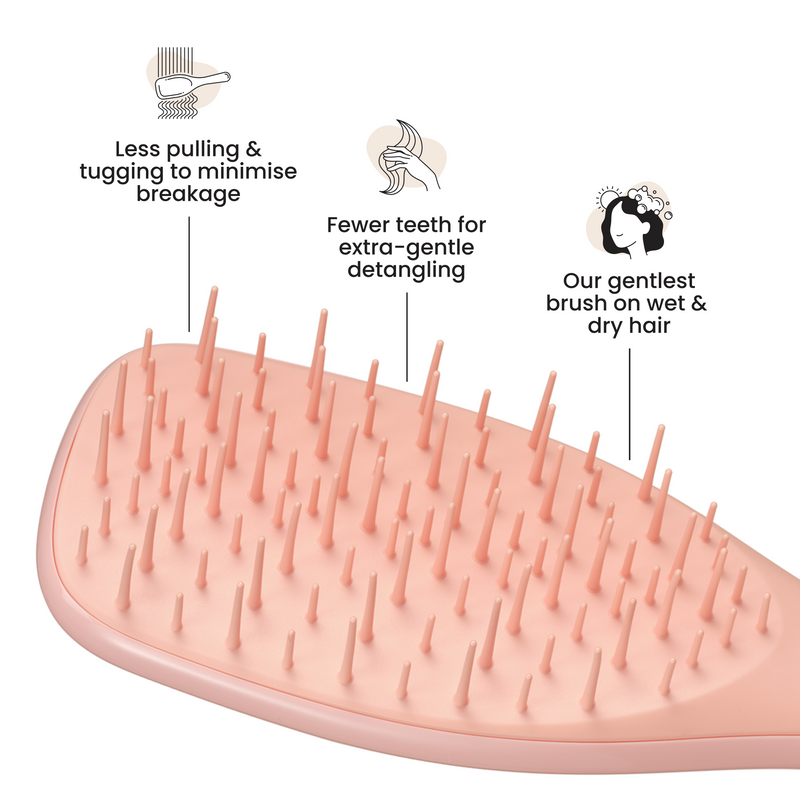
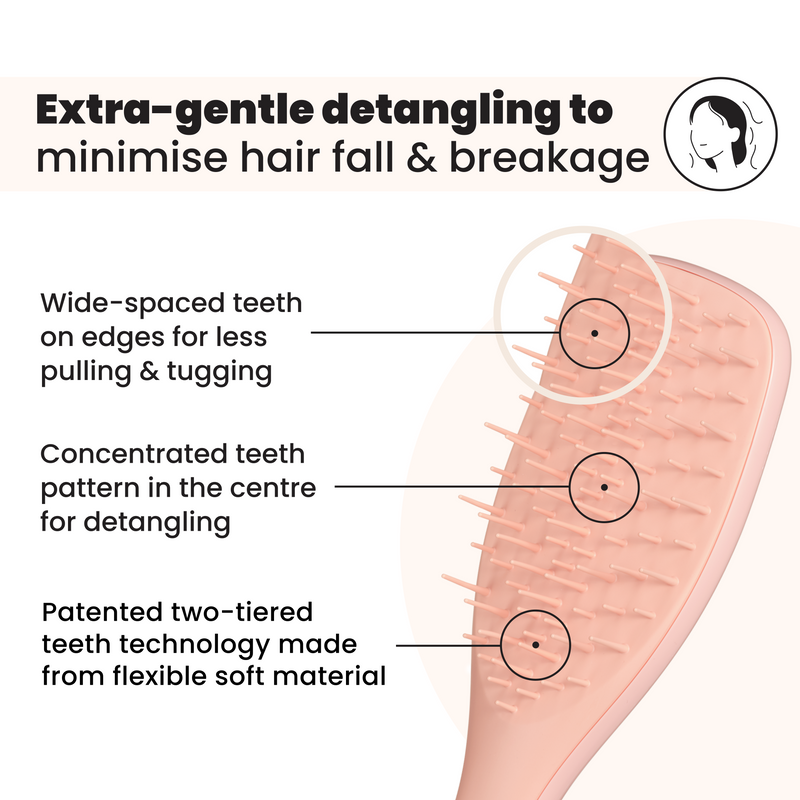
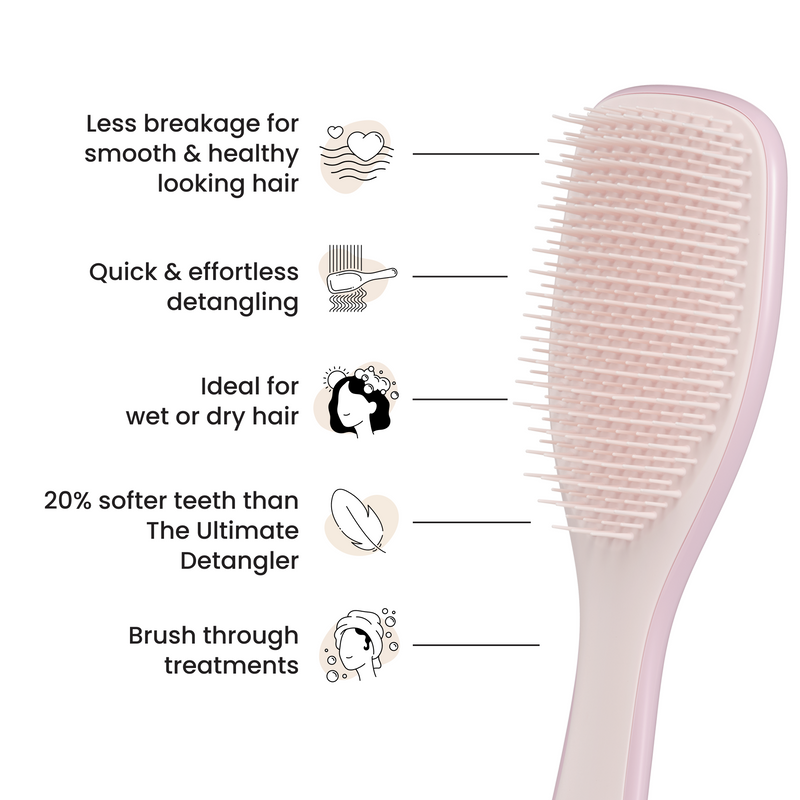
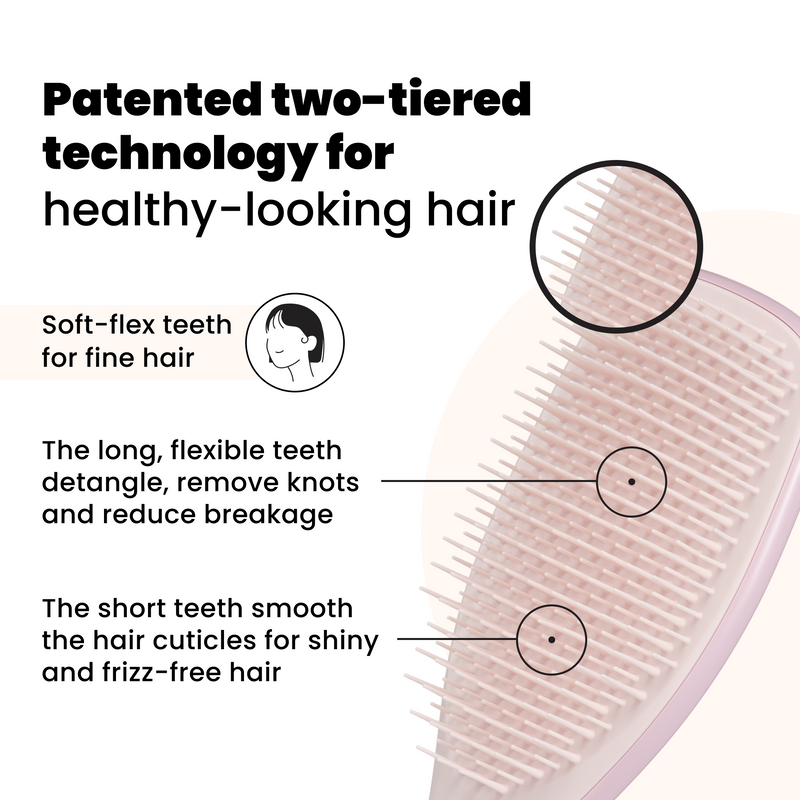
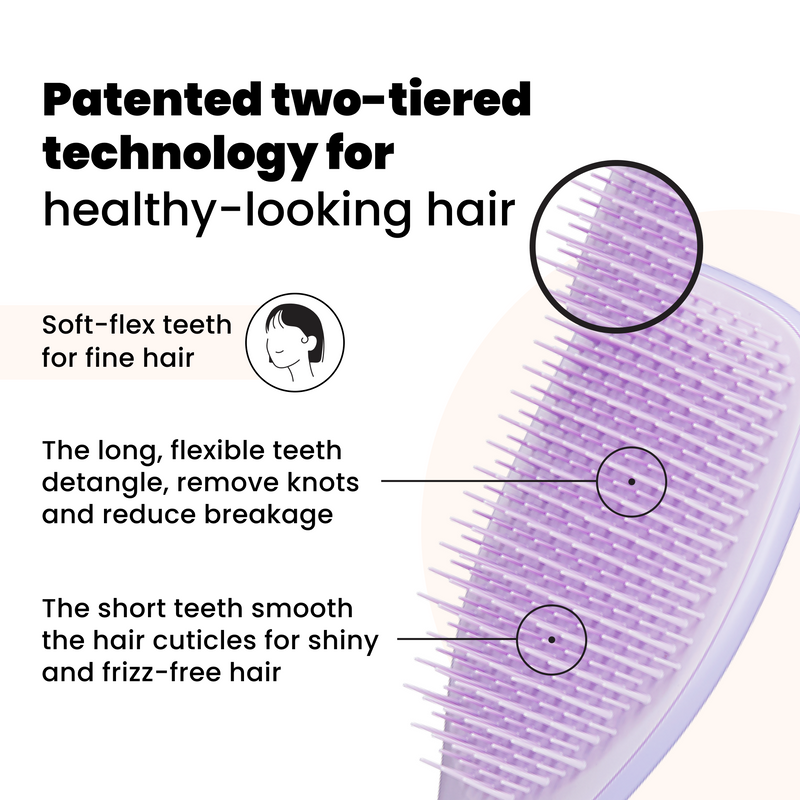
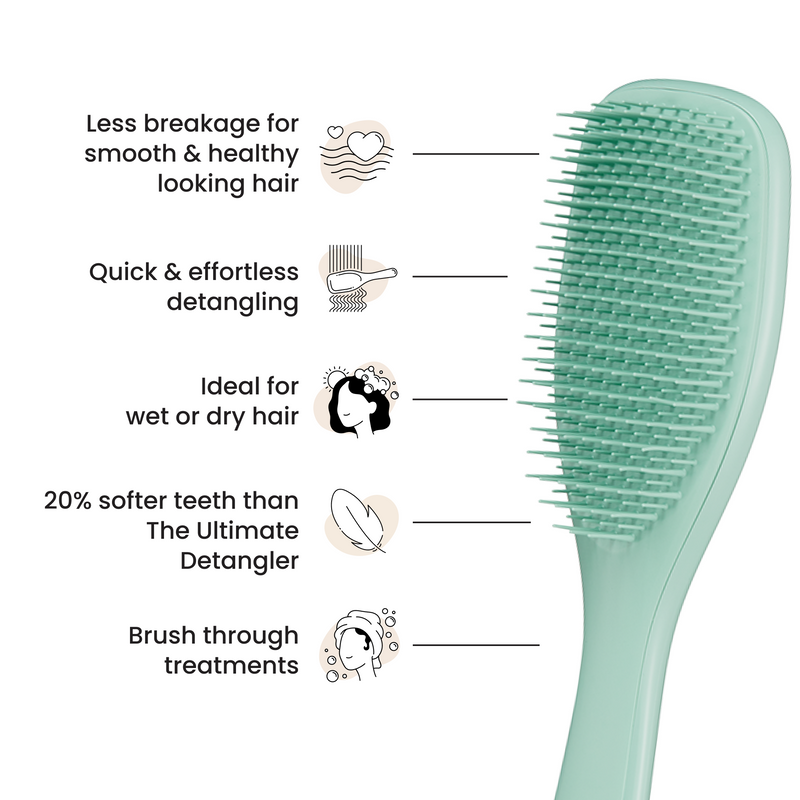
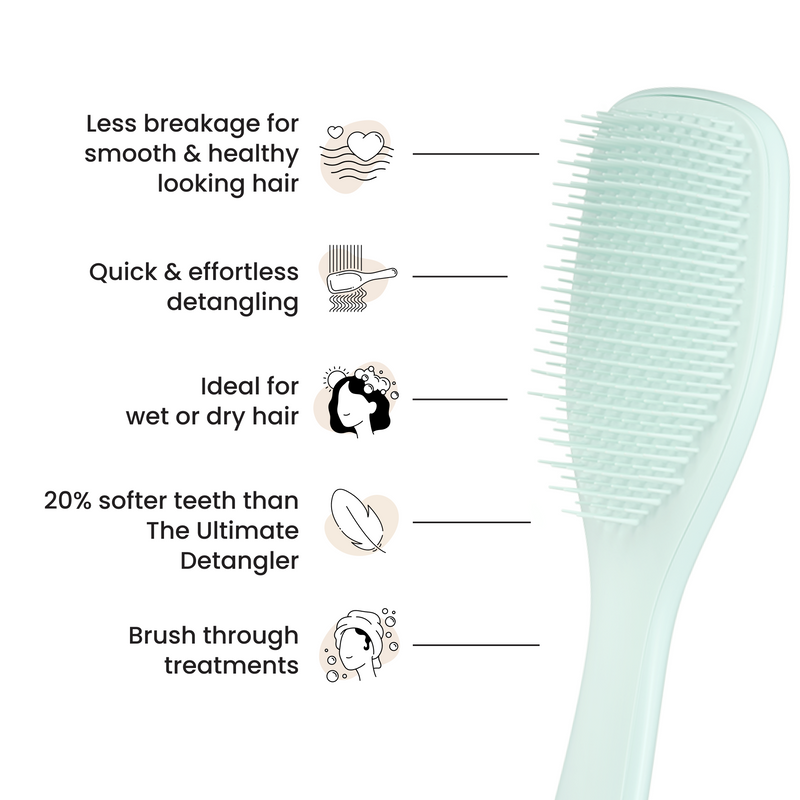
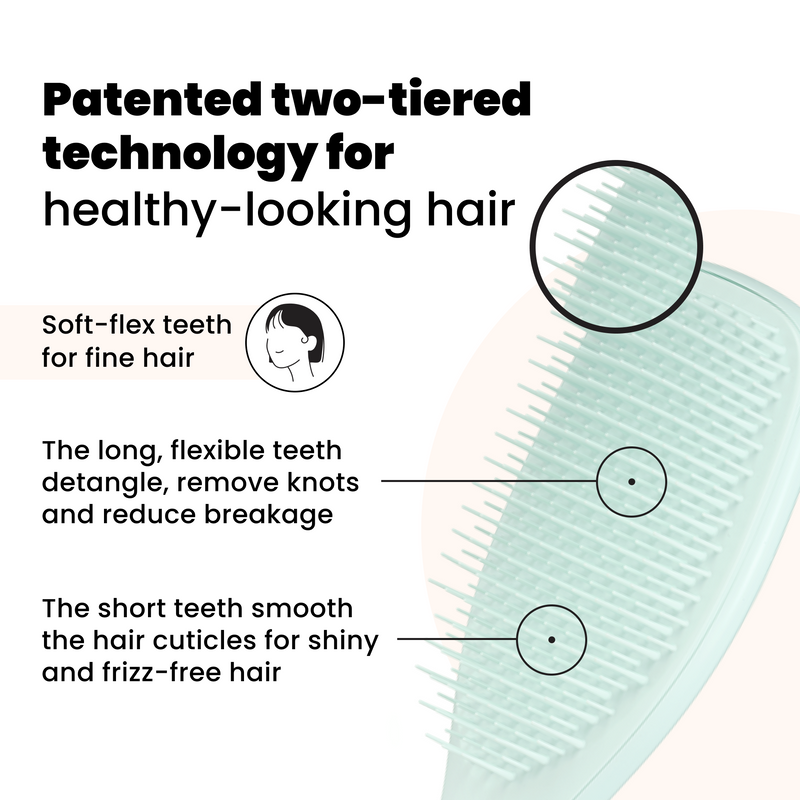
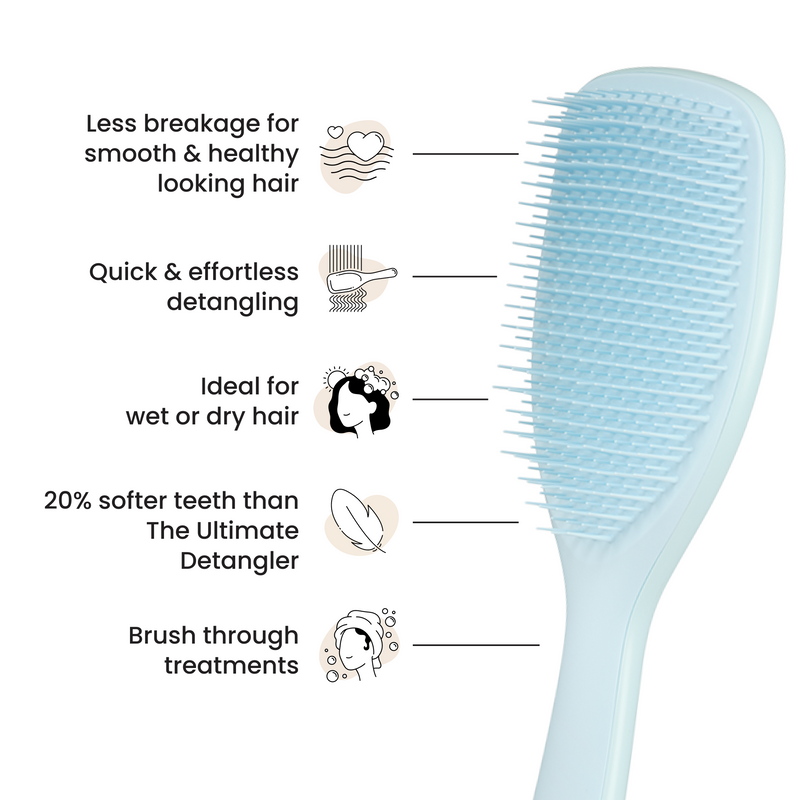
Wide-Spaced Teeth: glides through knots, cutting down on the pulling and tugging that thinning hair feels most.
Fewer Teeth: reduces the number of contact points per stroke, so detangling feels gentler from root to tip.
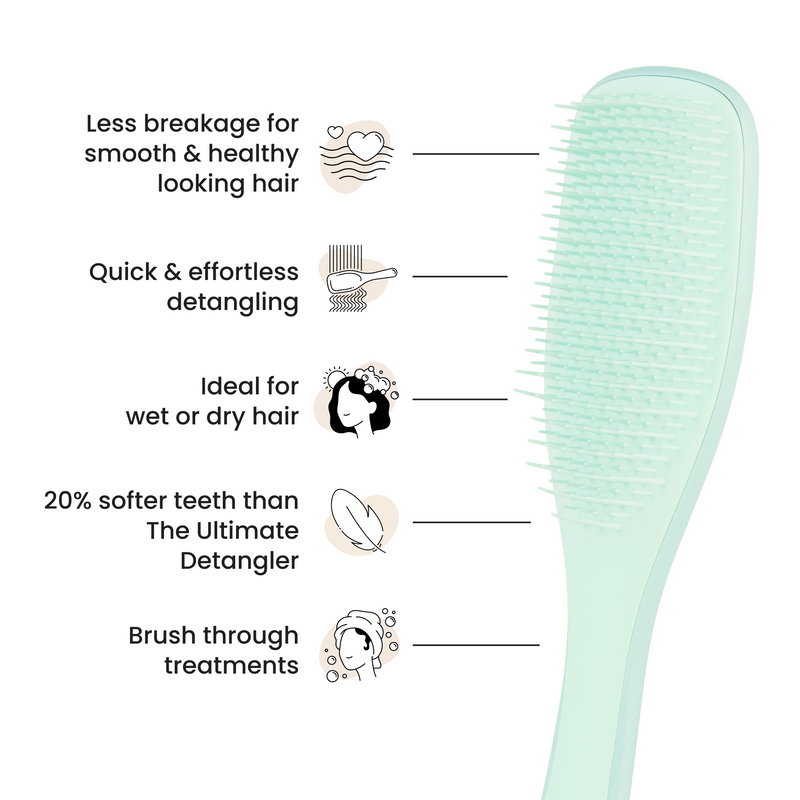
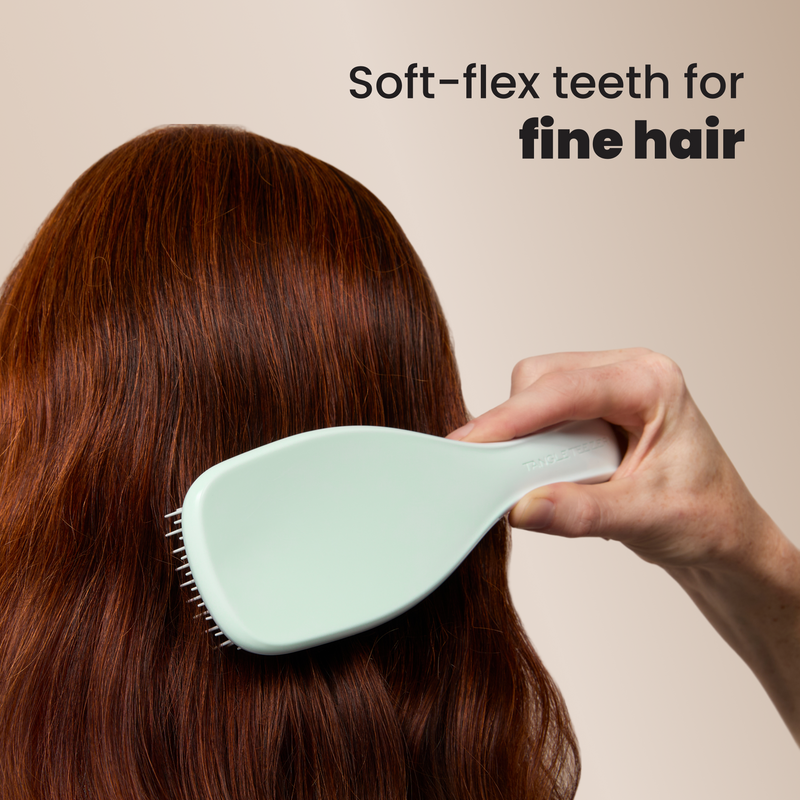
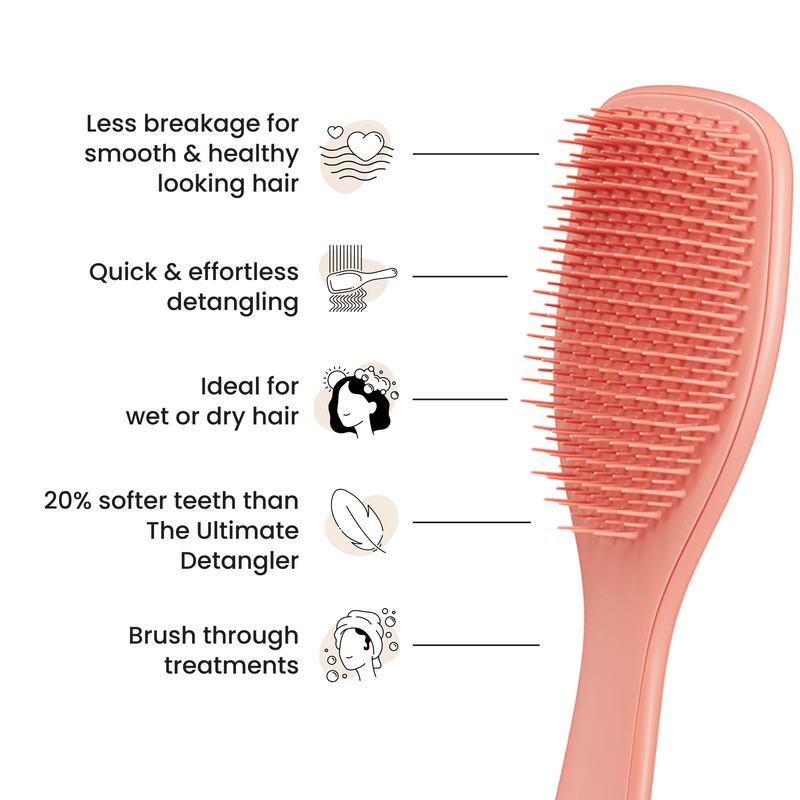
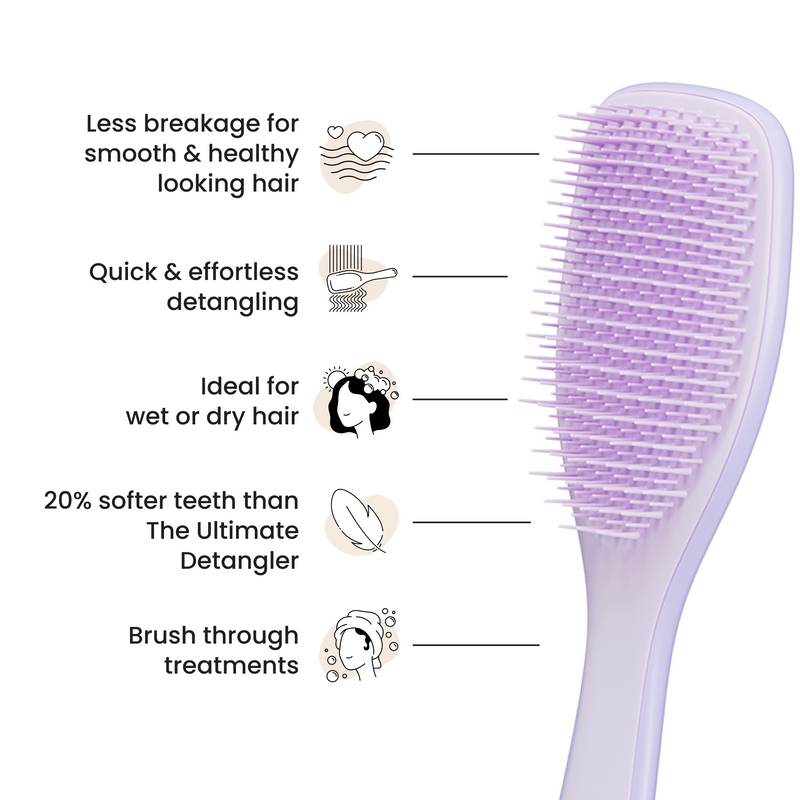
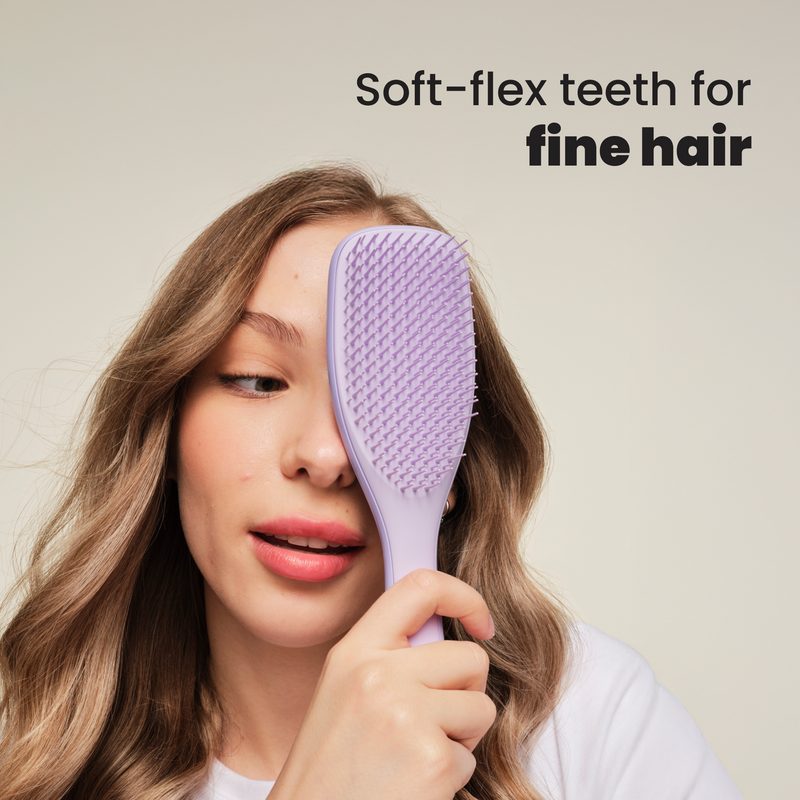
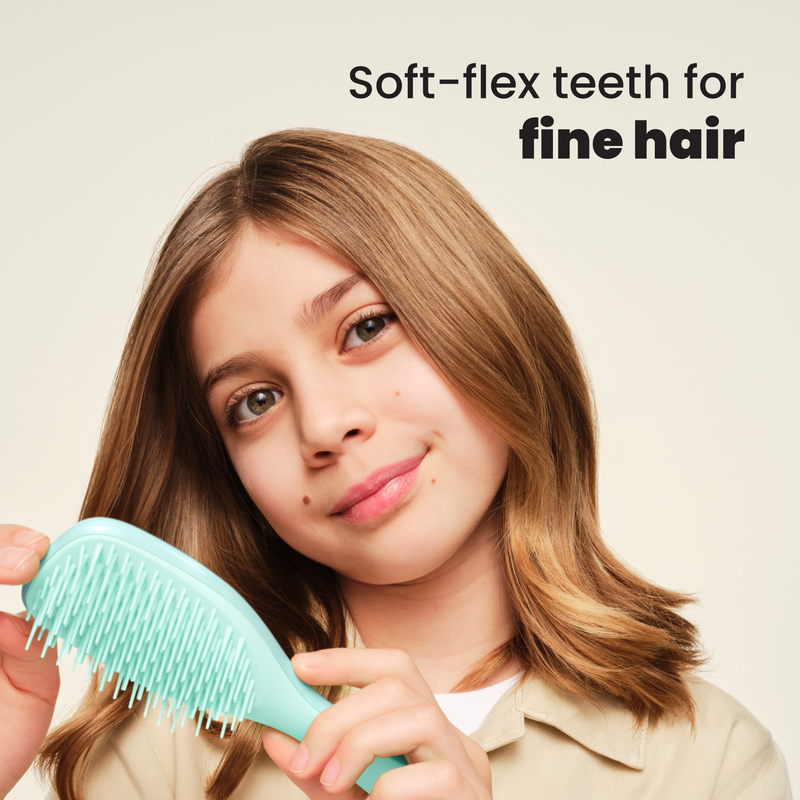
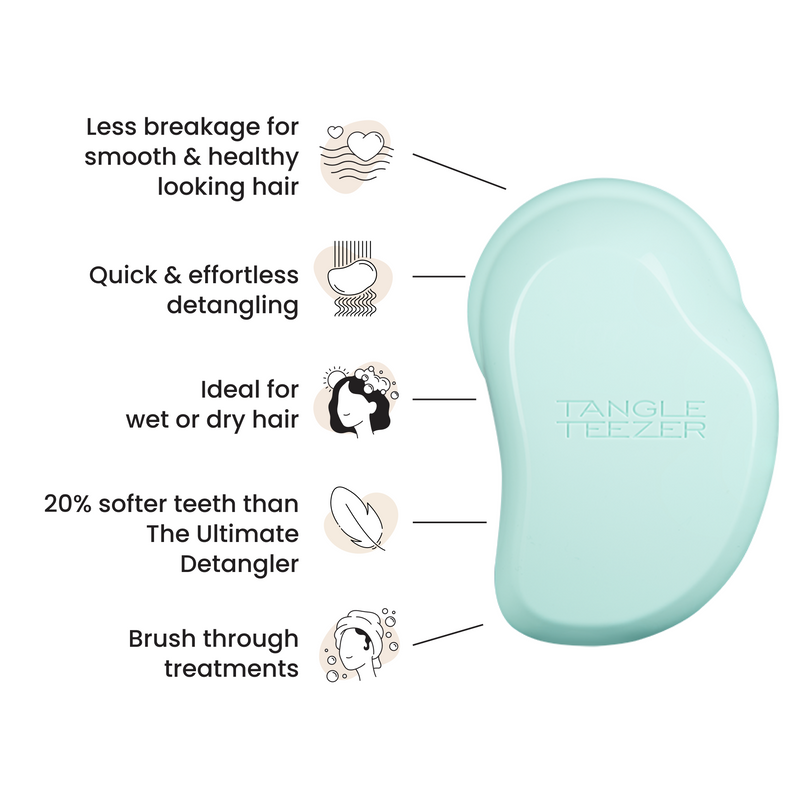
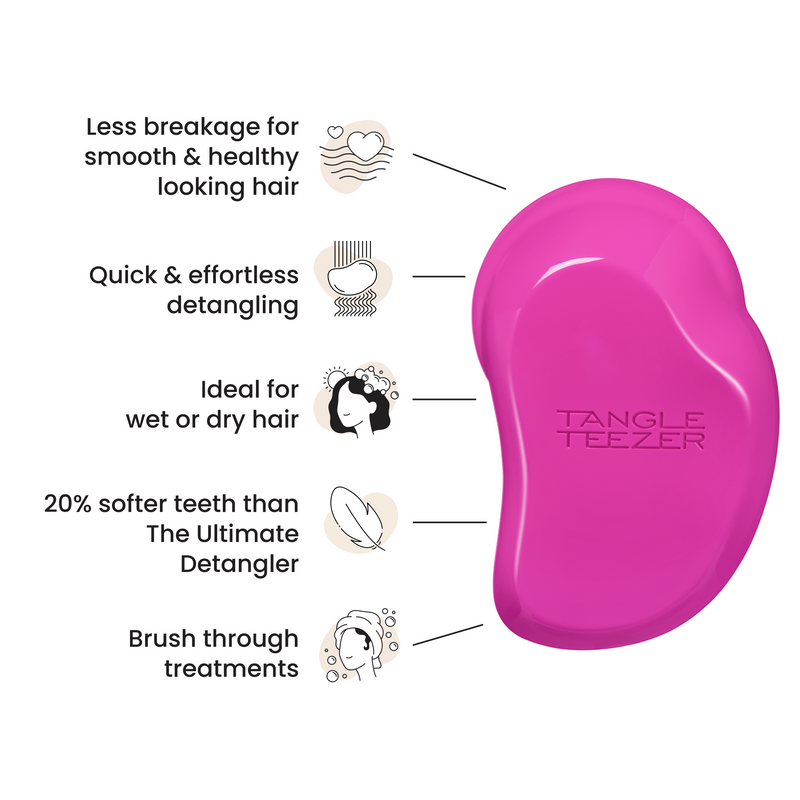
20% Softer Tooth Material: flexes easily through fine, fragile lengths, lowering the friction that leads to breakage.
Scalp Exfoliation: stimulates and cleanses the scalp, supporting the environment in which thinning hair grows.
When hair is thinning or prone to hair fall, gentleness should be at the heart of your routine. Look for flexible, spaced-out teeth that work through knots and tangles, catching less hair with less pulling and tugging.
It’s all in the design of the brush too. As well as wide-spacing, the teeth should flex, rather than be stiff, and any tools that touch the scalp should stimulate without irritating sensitive skin.
This range was designed with that in mind. The Ultimate Detangler™ Extra Gentle use the wider spacing and softer materials, while the Scalp Exfoliator & Massager cares for the scalp itself, giving thinning hair a complete and gentle routine from root to length.
Thinning Hair FAQs
What's the best hair brush for hair loss?
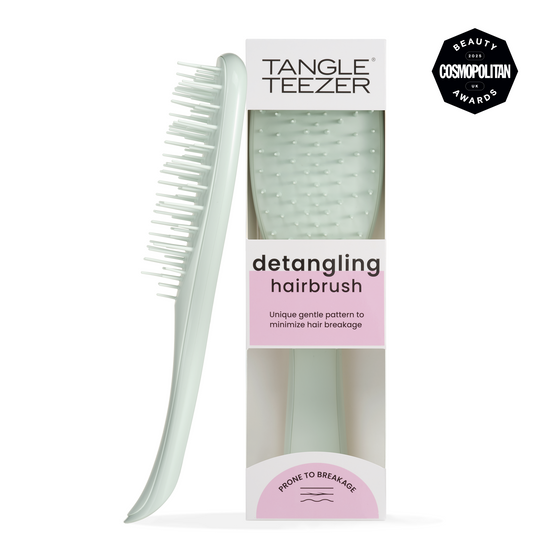
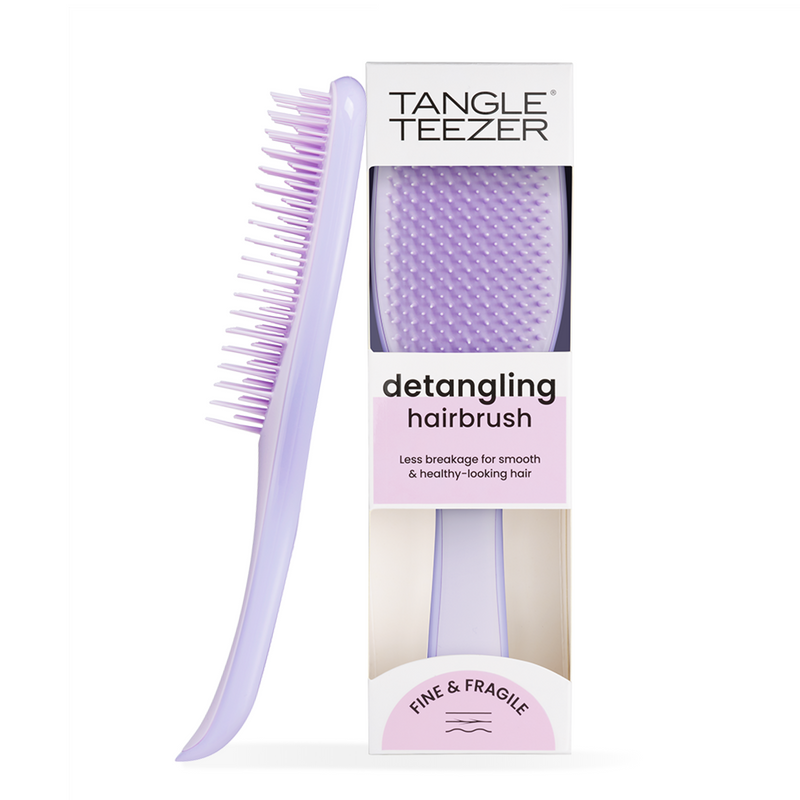
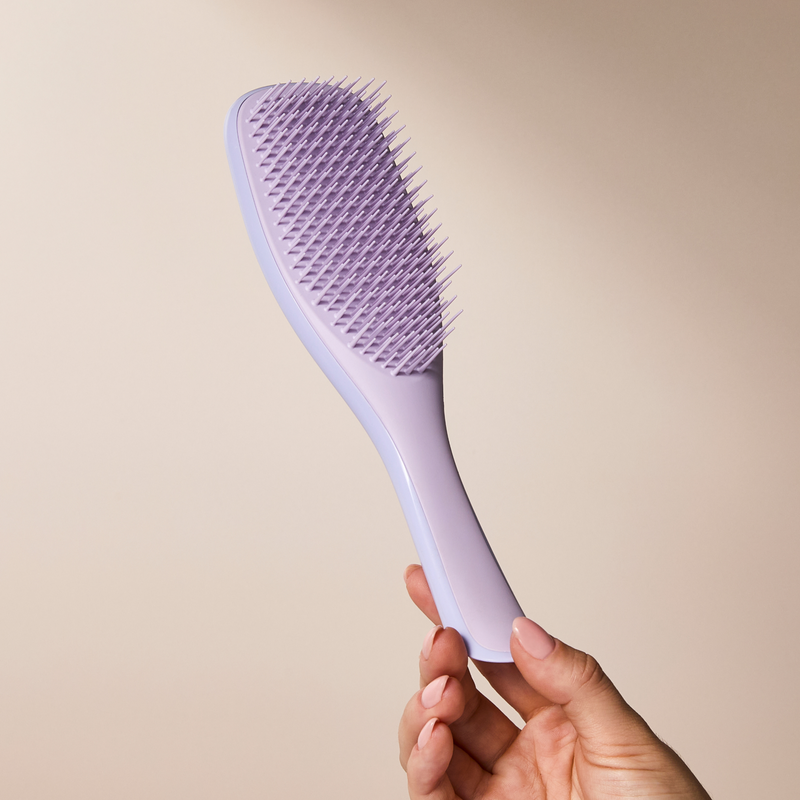
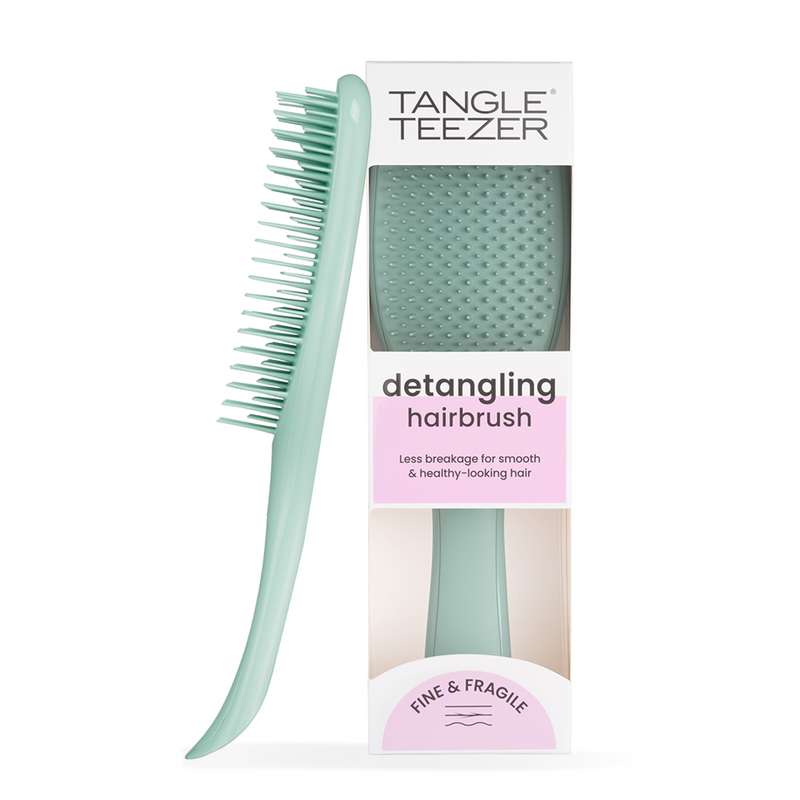
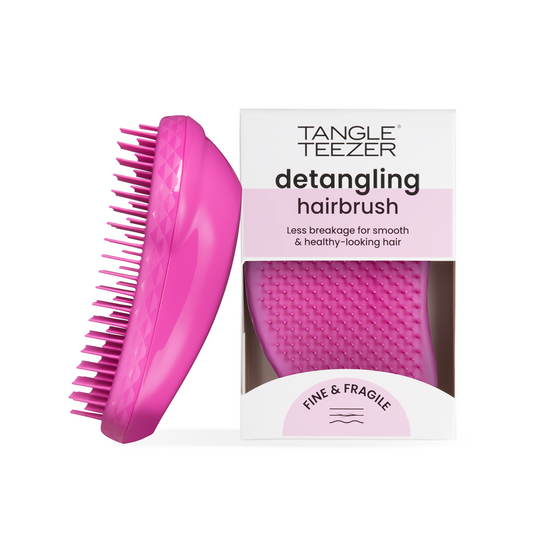
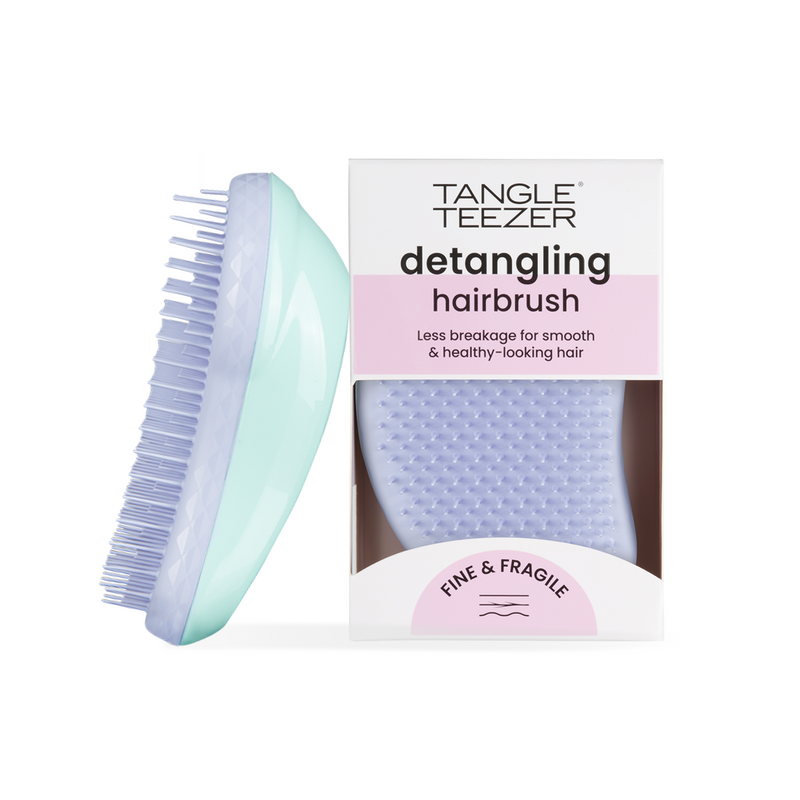
The Ultimate Detangler™ Extra Gentle is designed specifically with hair loss and thinning in mind, with wide-spaced teeth that reduce pulling at the root. It’s ideal for everyday use across all hair types.
How often should I brush thinning hair?
There’s no set rule for how often thinning hair should be brushed, instead you should focus on how gentle you are when brushing and the tools you use. When detangling always start at the ends and gently work your way up to the root and don’t force your way through knots or tangles. Stick to slow, gentle strokes rather than fast or repeated brushing.
Why am I losing more hair when I brush?
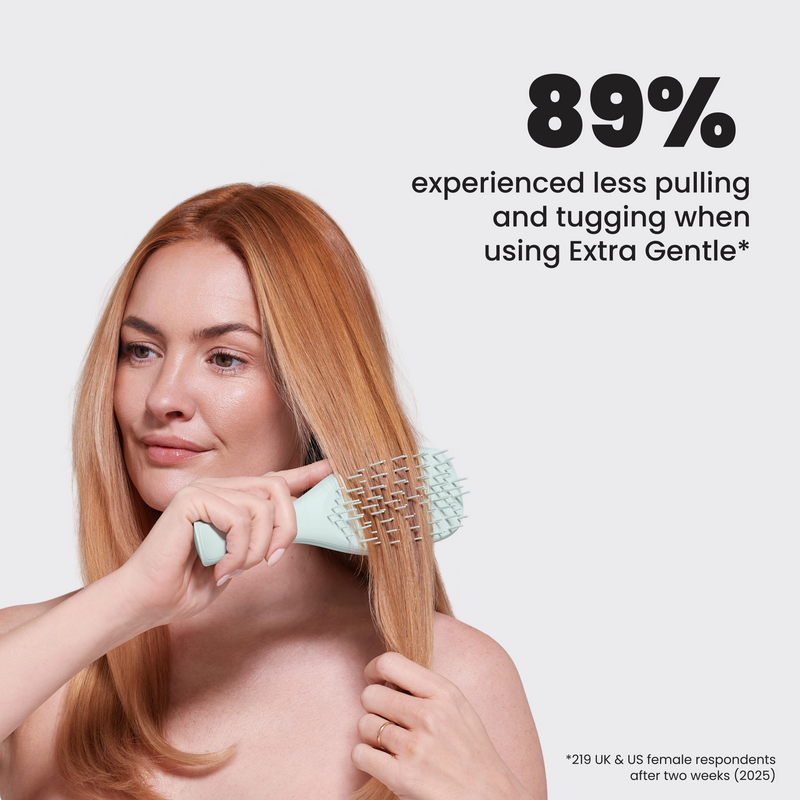
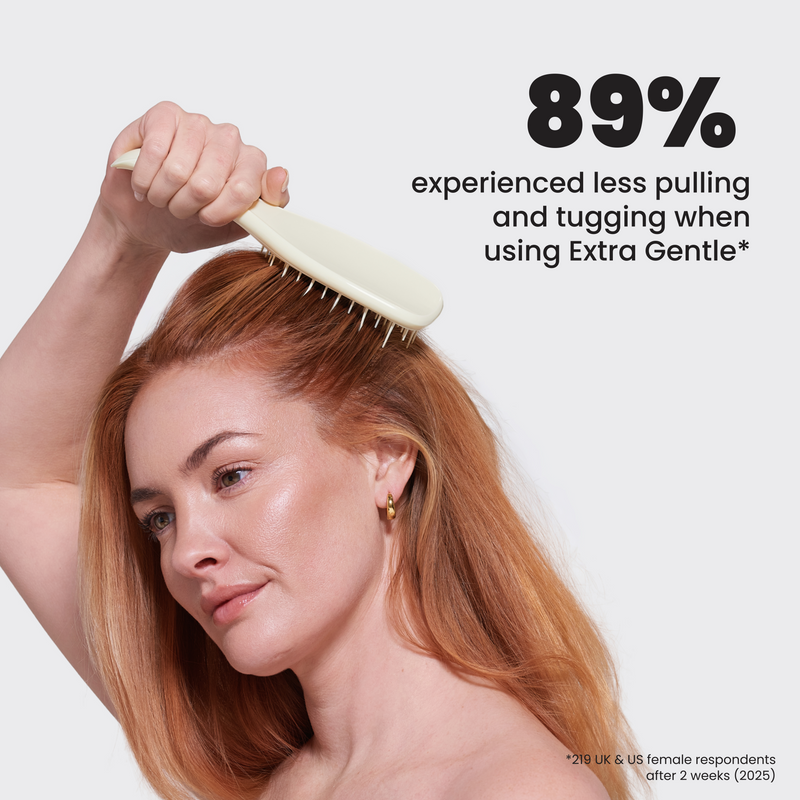
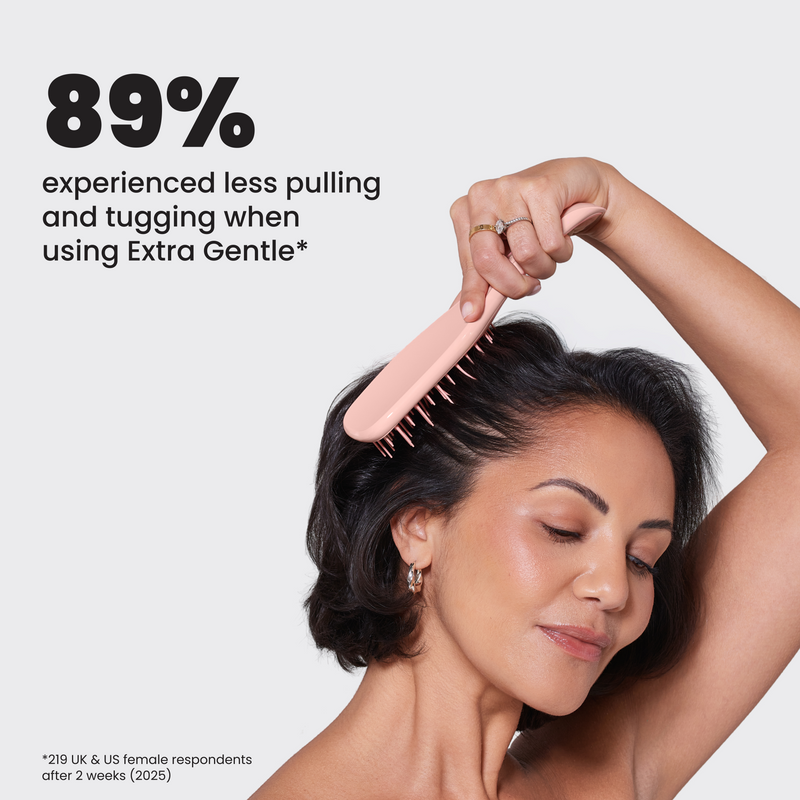
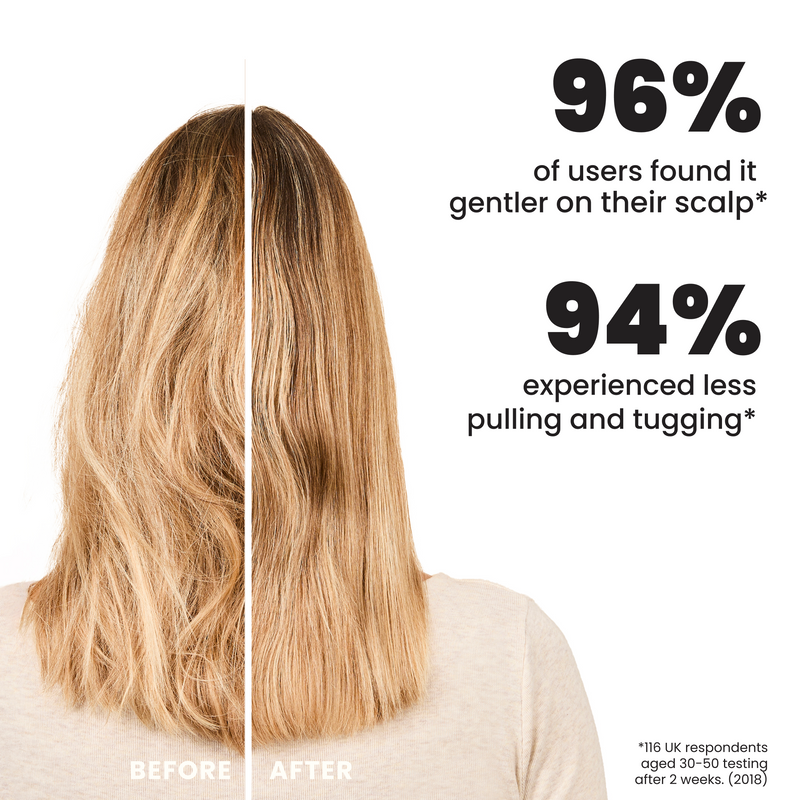
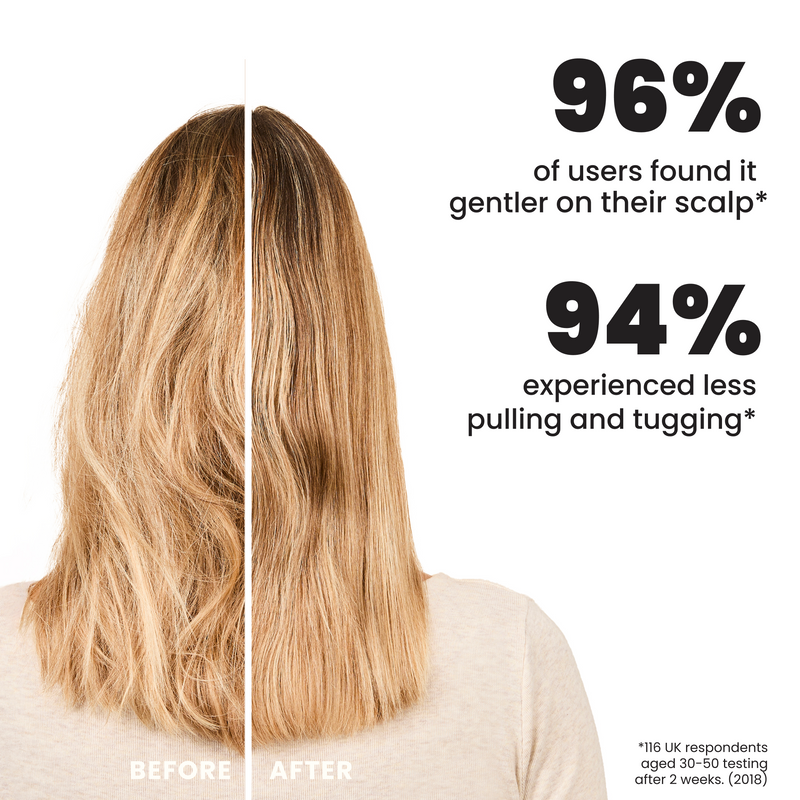
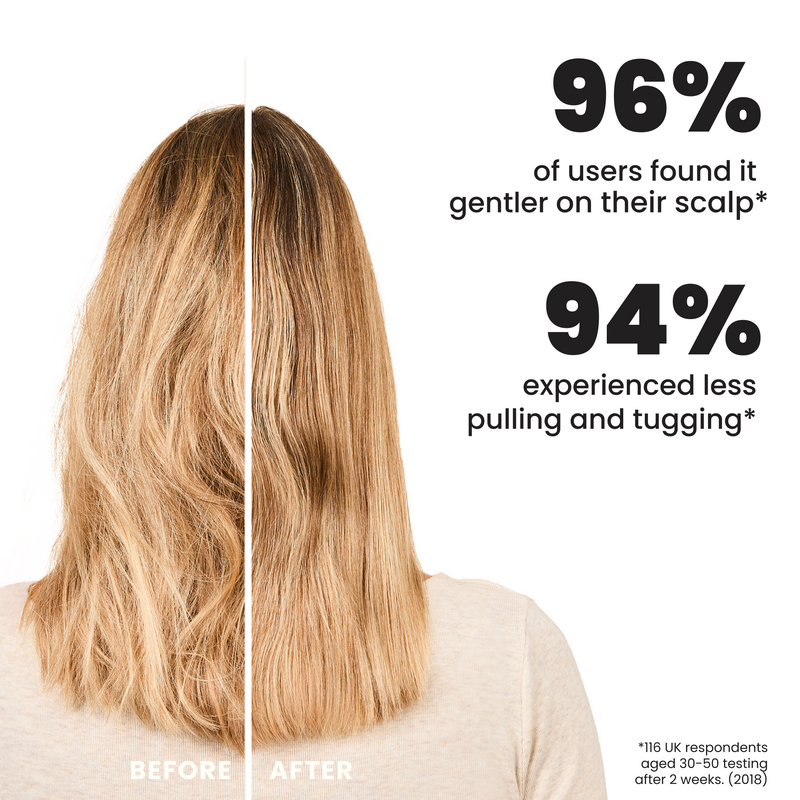
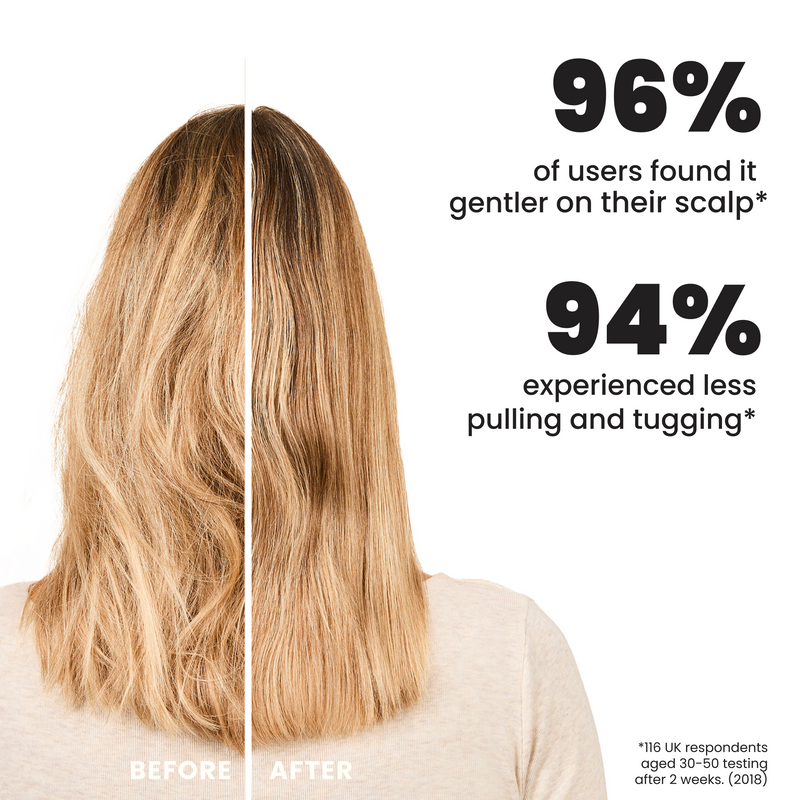
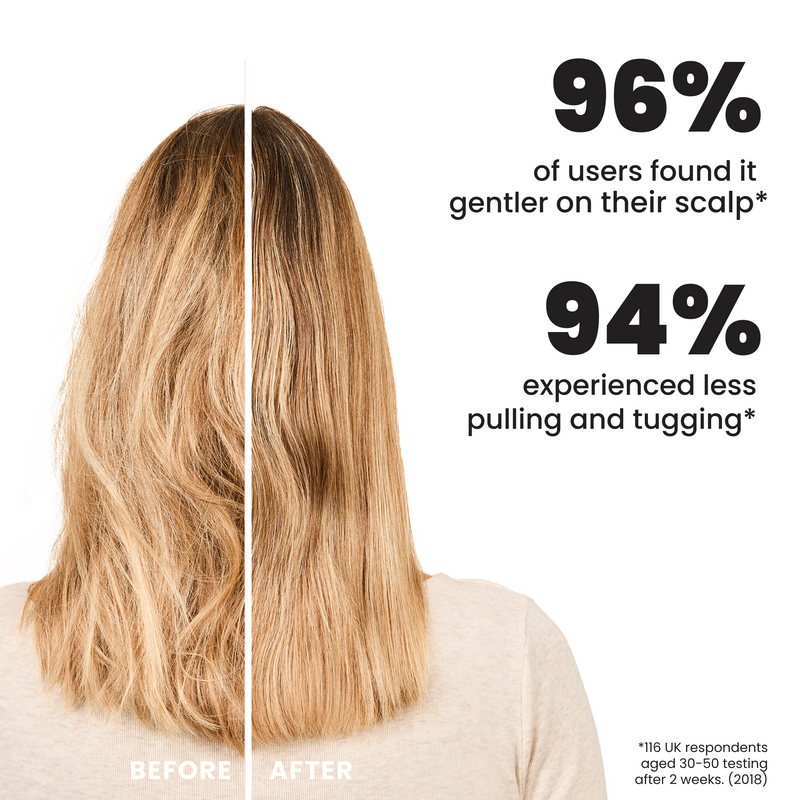
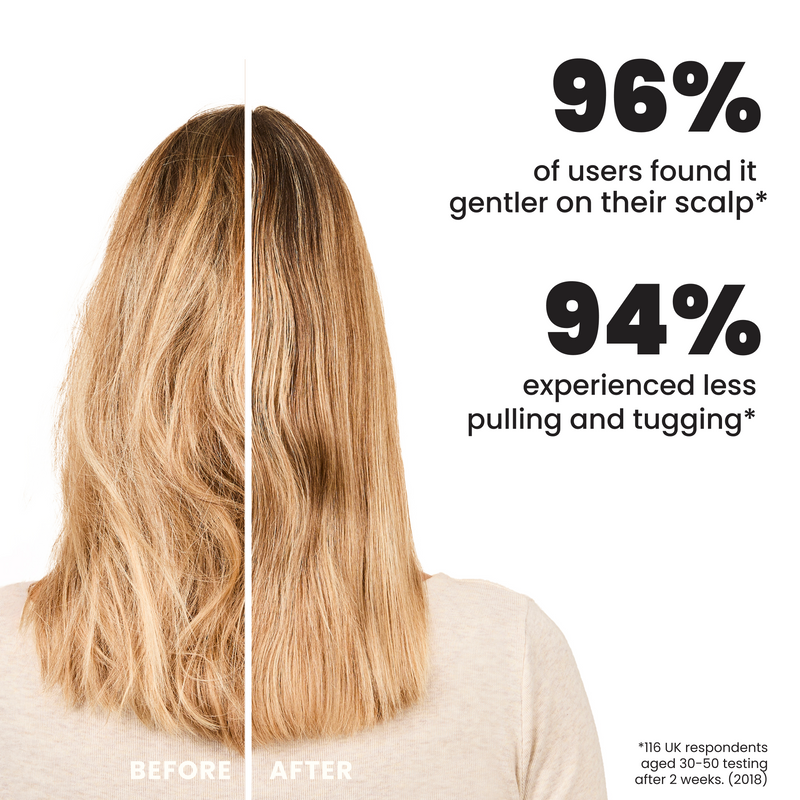
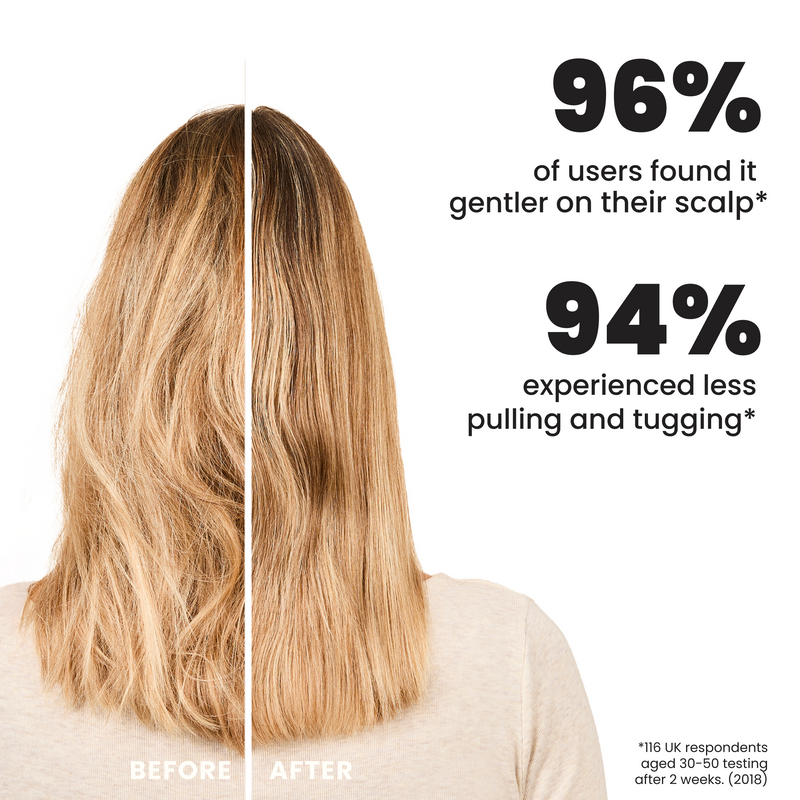
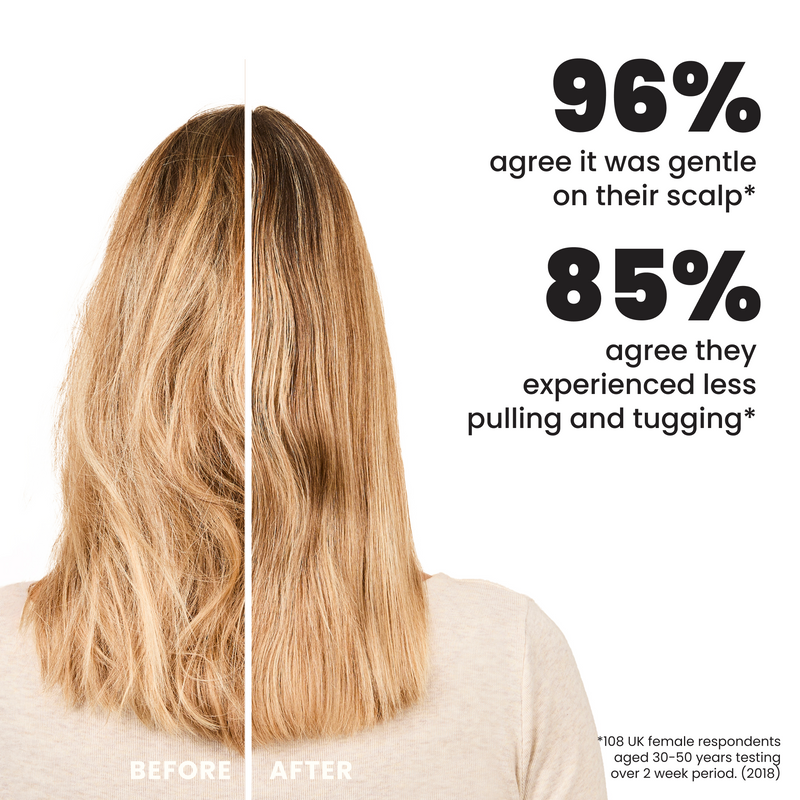
Some hair shedding when brushing is normal, but rigid teeth, tight spacing and harsh brushing can pull out strands that would otherwise stay in place. Wider, flexible teeth like those on the Extra Gentle brush catch fewer strands per stroke, which is why 89% of users reported less pulling and tugging in testing.
Can a scalp massager help with thinning hair?
The Scalp Exfoliator & Massager stimulates the scalp and clears buildup that can sit around hair follicles. 91% of users said it helped exfoliate the scalp in testing, supporting a healthier environment for hair to grow from. It works well alongside your usual detangling brush rather than replacing it.